Nairobi, Kenya, 27 July 2026 – The Government of Kenya, through the State Department for Gender and Affirmative Action under the Ministry of Gender, Culture and Children Services, UN Women Kenya and partners concluded a two-day National Consu
On June 25, 2024, Kenya's streets became a battleground. Young people poured out of their homes, their universities and their uncertainties, and walked straight into tear gas, rubber bullets and, for some, death.
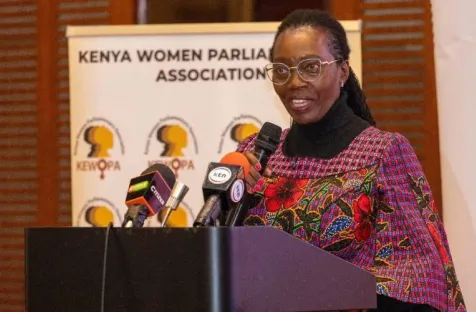
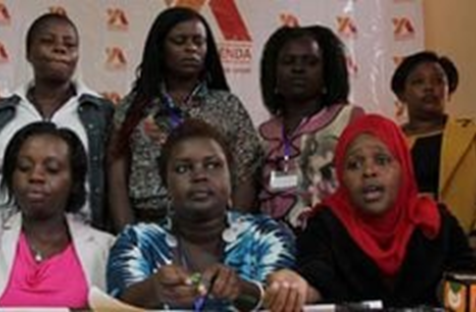
The Kenya Women Parliamentary Association (KEWOPA) has called for electoral and political reforms to create a safer environment for women and youth seeking elective positions ahead of the 2027 General Election.
When a woman parliamentary aspirant in Nyeri County withdrew from an election race after a fabricated sex video was circulated online, the attack went beyond humiliating one individual.
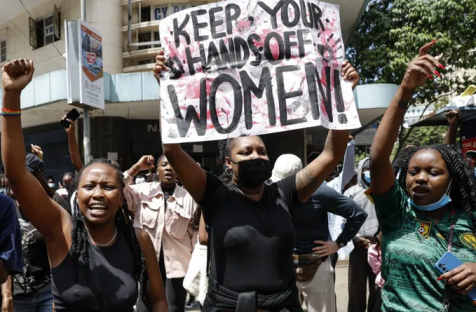
Kenyan women are at the forefront of defending their democracy. Their recent leadership reflects a long history of pivotal contributions, both to women’s rights and the rights of all Kenyans.
Women with disabilities persevere for political recognition and representation, confronting severe stigma and systemic barriers amid Kenya's increasingly combative and male-dominated political arena.
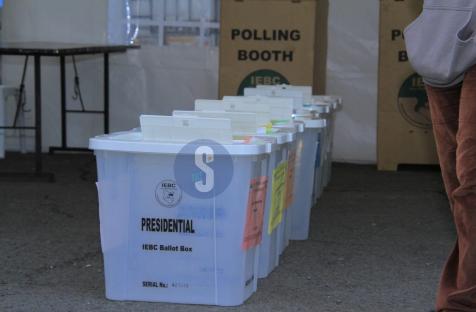
Every election year, Kenya has the same conversation. Where are the women? Why are so few of them on the ballot? And the answers tend to point back at women themselves, their confidence, their readiness and their willingness to step forward.
Politics has long been viewed as a male-dominated arena, with only a handful of women daring to venture into it.
Even then, women politicians often face dismissal, branded as mere “flower girls” for party leaders.