Why Kenyan women pay more to enter politics
Source: Nation Africa
Every election year, Kenya has the same conversation. Where are the women? Why are so few of them on the ballot? And the answers tend to point back at women themselves, their confidence, their readiness and their willingness to step forward. Rarely do we turn the spotlight where it belongs; on the system that makes stepping forward so costly.
Kenya's Constitution is among the most progressive on the continent on gender equality. Yet more than a decade since the two-thirds gender rule was enshrined in law, it remains unmet. Parliament has failed repeatedly to legislate it into reality. And so a constitutional promise sits on paper while the political landscape remains stubbornly, predictably male.
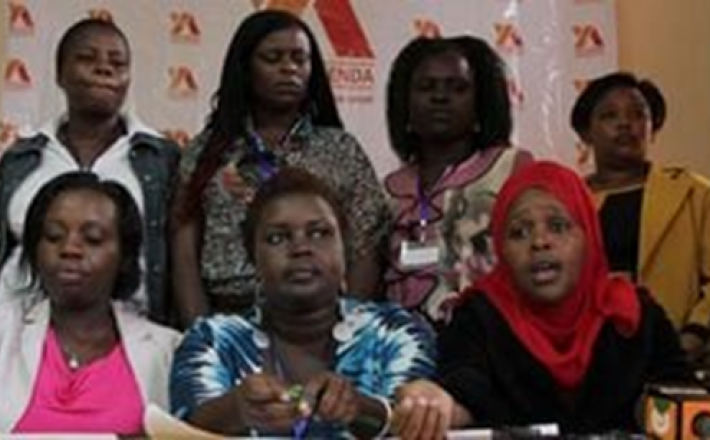
Last week, a gathering of Kenyan women, lawyers, diplomats, conservationists, business leaders, women who have spent careers navigating power in its many forms, sat together and spoke with rare candour about exactly this. Not in the language of activism or advocacy, but in the plain, direct way of people who have lived it. That conversation, and what it revealed about leadership, politics, and the price women pay for public life, is at the heart of this week's cover story. It is worth your time. What struck me reading through it was how consistent the story is, how little the barriers have changed regardless of the generation telling them.
Every election year, Kenya has the same conversation. Where are the women? Why are so few of them on the ballot? And the answers tend to point back at women themselves, their confidence, their readiness and their willingness to step forward. Rarely do we turn the spotlight where it belongs; on the system that makes stepping forward so costly.
Kenya's Constitution is among the most progressive on the continent on gender equality. Yet more than a decade since the two-thirds gender rule was enshrined in law, it remains unmet. Parliament has failed repeatedly to legislate it into reality. And so a constitutional promise sits on paper while the political landscape remains stubbornly, predictably male.
Last week, a gathering of Kenyan women, lawyers, diplomats, conservationists, business leaders, women who have spent careers navigating power in its many forms, sat together and spoke with rare candour about exactly this. Not in the language of activism or advocacy, but in the plain, direct way of people who have lived it. That conversation, and what it revealed about leadership, politics, and the price women pay for public life, is at the heart of this week's cover story. It is worth your time. What struck me reading through it was how consistent the story is, how little the barriers have changed regardless of the generation telling them.