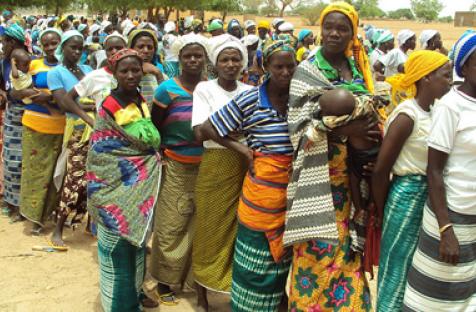
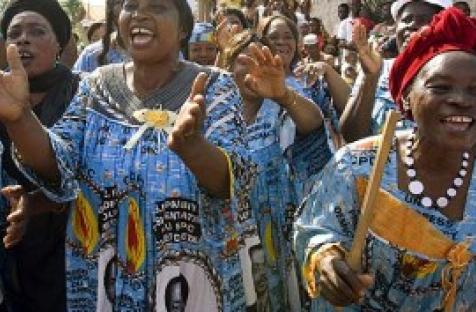
The absence of specific initiatives such as affirmative action to implement global, continental and regional commitments that promote gender equality in participation and representation in decision-making processes is hindering women’s involvement in national processes for sustainable development
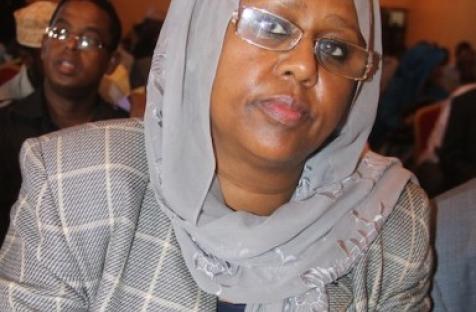
Middle East and North Africa
Dr Michael Abu Sakara Foster, Presidential Candidate of the Convention Peoples Party (CPP) on Wednesday said when elected his government would champion the cause of women in nation building.
The Assistant Minister of Local Government, Botlhogile Tshireletso, has called for reservation of parliamentary seats for women in order to raise the voice of the distaff section of the National Assembly.
As little-known politician Fauzia Yusuf Haji Adan was sworn in as Somalia’s first female foreign minister and deputy prime minister on Monday Nov. 19, the stateswoman who hails from the unrecognised, self-proclaimed republic of Somaliland is tipped to become the country’s “Iron Lady”.
A gender parity advocate group, Women in Law and Development in Africa (WiLDAF), has mounted a vigorous campaign for women parliamentary aspirants in the Central Region, urging the electorate in the area to vote massively for women to represent them in Parliament.
Ms Darling Norgbey, Assistant Superintendent of Police (ASP) has appealed to women across the country to use their endearing attributes to help diffuse simmering political tensions that could develop into full blown conflicts.
For Burkina Faso’s last election – a presidential poll in 2010 –difficult and confusing requirements resulted in overwhelmingly low voter registration. Only three million of the country’s six million eligible citizens registered. And of those, only 1.7 million showed up at the polls.
No significant progress has been made towards improving women representation in political decision-making since the institution of the district level elections 16 years ago, Mr Mohammed Alhassan Awal, Director of Northern Sector Action Awareness Center (NORSAAC), has observed.
Cameroon's new biometric registration of voters may end up disenfranchising many potential voters, especially women in the country's predominantly Muslim north where cultural practices may prevent them from having their photos taken.
Pagination
- Previous page
- Page 28
- Next page