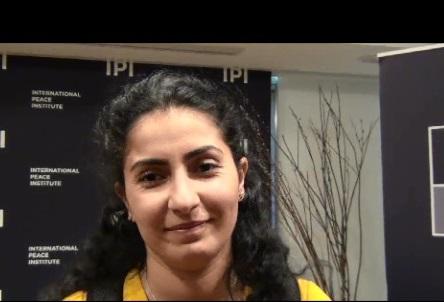
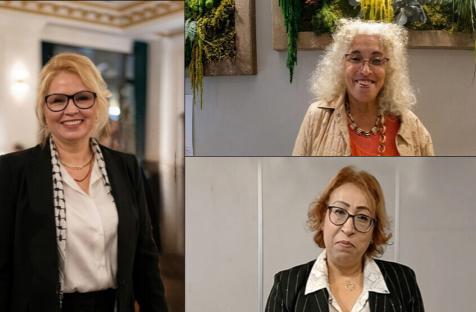
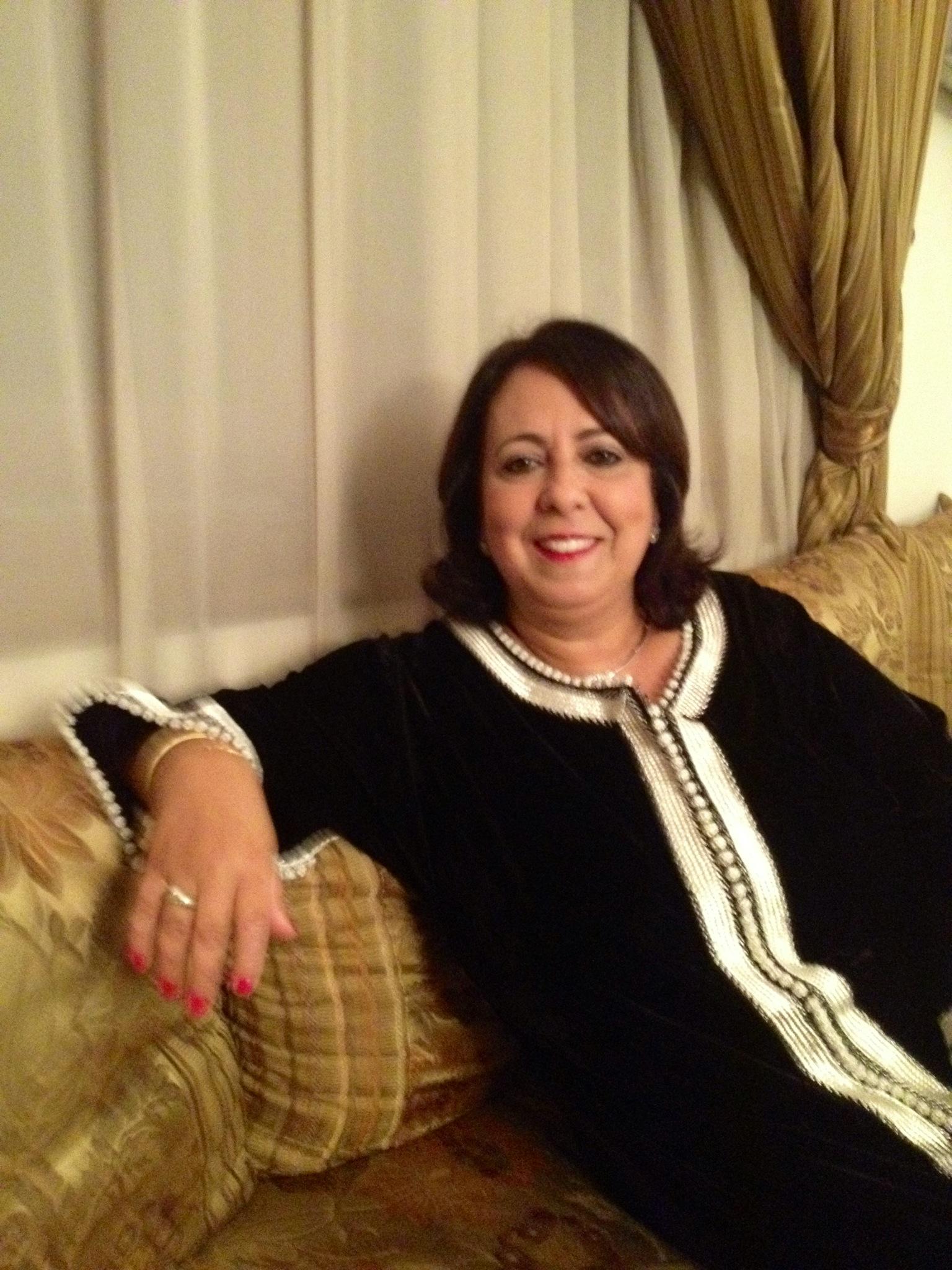
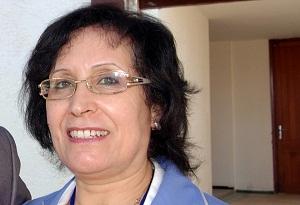
Fatima Sadiqi is a former Fulbright Scholar and recipient of a Harvard Fellowship. She is Professor of Linguistics and Gender Studies, author of, among other works, Women, Gender, and Language in Morocco (Brill, 2003) and co-editor of Women Writing Africa.
Morocco
Interviews
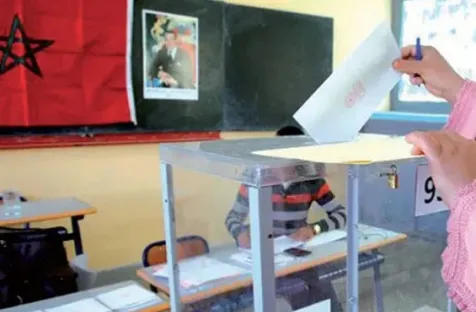
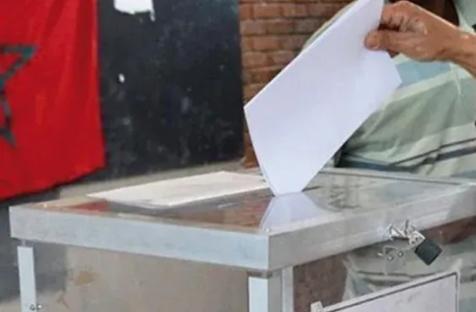
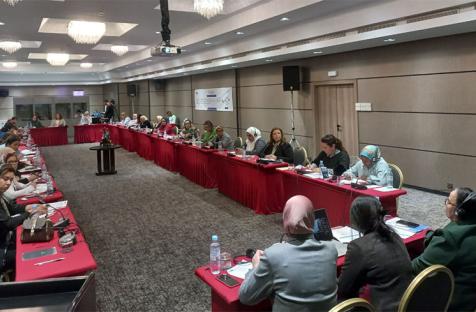
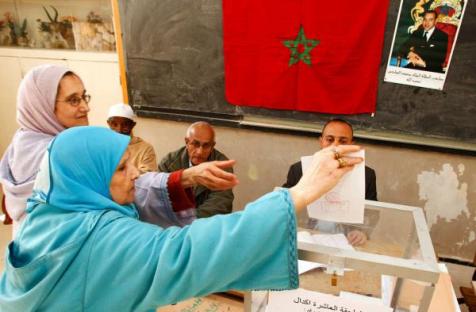
Moroccan women are certain to win at least 10 percent of parliament seats in polls on Friday, but the kingdom needs to deepen reforms to advance equality in the male-dominated politics, activists say.
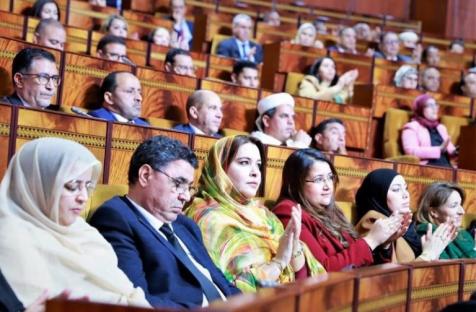
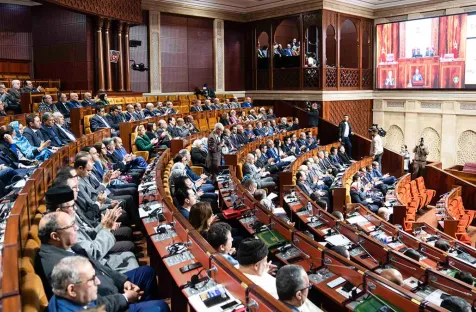
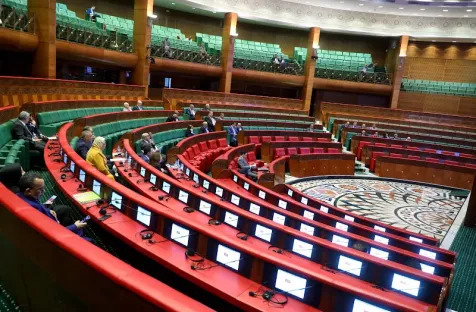
The issue of women in Parliament has returned to centre stage in Morocco following the country's recent legislative elections. In 2002, women were elected to 35 of the lower house of the Moroccan legislature's 325 seats; on September 7th, 2007, only 34 were selected.
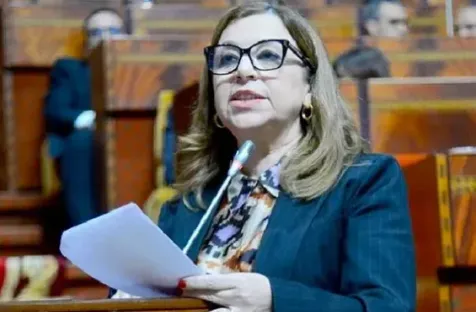
National elections last October in Morocco brought 34 women to the first chamber of Parliament, but while the female MPs have proven effective legislators, their task has not been easy.
Regional Director for the Middle East and North Africa at the National Democratic Institute (NDI), Leslie Campbell, hailed Morocco's reforms promoting women's participation in politics and electoral transparency.
King Mohammed VI announced on Wednesday the lifting of Morocco's reservations on the Convention on the Elimination of All Forms of Discrimination against Women (CEDAW), describing them as obsolete.
A French women's rights group that led major marches to denounce violence to women in France's immigrant heavy suburbs is opening its first formal chapter in the Muslim world - in Morocco.
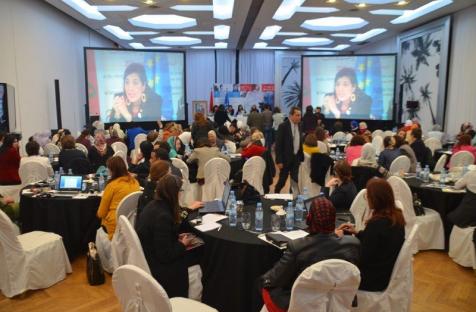
The progress made by Morocco in the field of gender equality is an example in the Arab world, visiting MP Lale Akgün from the Social Democratic Party (SPD) in the German federal parliament (Bundestag) said Tuesday.
Pagination
- Previous page
- Page 3
- Next page