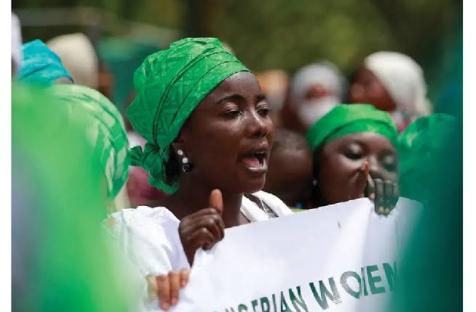
Hundreds of women rallied in Nigeria’s capital city, Abuja, on June 11, urging
Stakeholders have called for greater political participation and representation of young women, saying Nigeria’s democracy cannot thrive if half of its population remains largely excluded from decision-making positions.
As political activities gradually gather momentum ahead of Nigeria’s 2027 general elections, young Nigerians have expressed concerns over declining trust in democratic institutions, persistent barriers to women’s political participation and the need for stronger civic education.
Nigeria’s democracy has survived. The harder question is whether it is deepening. Since 1999, the country has sustained civil rule longer than at any other period in its post-independence history.
Women’s political advocates have expressed concern that the proposed Special Seats Bill, designed to increase female representation in Nig
A post-primary audit of political parties ahead of the 2027 general elections has found that loopholes in the Electoral Act, costly nomination forms, consensus arrangements and money politics are limiting women’s participation and chances of emerging as candidates.
It’s a familiar pattern in the campaign for gender inclusion in Nigerian politics: a major reform proposal gathers momentum, draws public support, and then quietly stalls.
As Nigeria prepares for another electoral cycle ahead of the 2027 general elections, concerns over political violence, voter intimidation, and electoral insecurity continue to dominate national conversations.
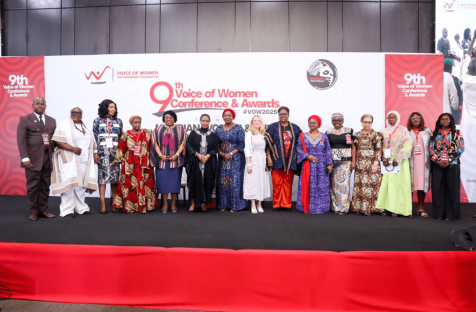
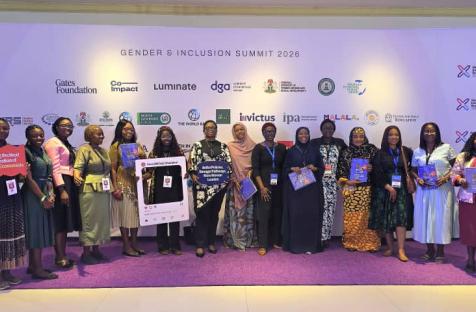
Women leaders and advocacy groups across Nigeria have intensified calls for greater support for female candidates ahead of the 2027 general elections.