Political parties that do not have structures on the ground should not present women as candidates during elections, the Independent National Electoral Commission warned on Tuesday.
Women’s International League for Peace and Freedom has said that Nigeria currently ranked 181 out of 193 countries polled in terms women’s participation in politics.
When the Ninth Senate of Nigeria is inaugurated in June, there will be at least no fewer than seven women in the 109-member chamber, if the results of the February 23 Presidential and National Assembly elections are anything to go.
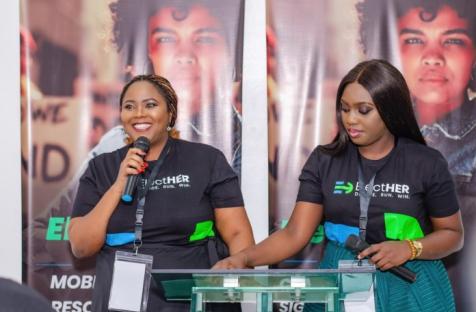
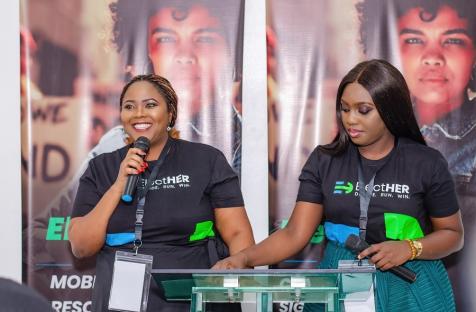
Nervous ahead of Nigeria's delayed election, a group of young women picked up their cellphones and wished each other well.
As she made her way along a lumpy dirt road clutching a stack of her own campaign flyers, Zainab Umar considered the odds against her.
In the run-up to Nigeria’s general election, starting this Saturday, more and more organisations are trying to turn the tide and get more women into elective positions.
When Bolanle Aliyu decided to run for governor of Oyo State in southwestern Nigeria, even her husband was initially reluctant to support her.
The status of women’s political participation in Nigeria is low, with less than 5 per cent of women holding political positions. Lois Auta, 38-year-old polio survivor from Abuja, is all about changing the status quo.
Ahead of Nigeria’s presidential elections on 16 February, UN Women and partners have been training women candidates, documenting political violence and advocating for measures to boost women’s low representation in Parliament.