In Pakistan, gendered politics prevail

Pakistan’s constitution makes no distinction between genders but women in parliament know that’s not the reality in politics.
Pakistan’s constitution makes no distinction between genders but women in parliament know that’s not the reality in politics.

South Asia Partnership (SAP) Pakistan and Aurat Foundation held a convention on women’s political participation in Pakistan on Saturday. The focus was on women in local government.
Civil society activists have demanded political parties to award tickets to women aspirants for the local government elections to bring them into the national mainstream.

More than 550 women contested local government elections in Khyber Pakhtunkhwa on Sunday, the election commission said.
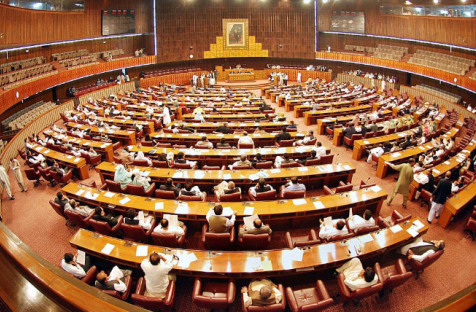
Contrary to popular belief, the performance of Women legislators in both Houses remained remarkable and in Parliament’s history they presented a significant number of 133 bills for legislative business in just four years (2018 to 2021).

By Dr Naazir Mahmood

The conventional consensus is that Pakistan lags behind severely in gender equality. However, one area where it has made progress is women in politics. It is one of 70 countries in the world that has had a woman prime minister or president.

Tanzeela Qambrani (41) created history in Pakistan when she became the first Sheedi Member of Provincial Assembly (MPA) of Sindh Assembly in 2018. Her election to the Sindh Assembly was significant for many reasons.

“Empowering young women is key to Pakistan’s sustainable social and economic development,” said Usman Dar, Special Assistant to Prime Minister on