Pornification of politics: How sexualized discourses threaten democracy

The sexualization of women in the political sphere has taken on a new and dangerous form that threatens democracy itself, a CSU professor argues.
The sexualization of women in the political sphere has taken on a new and dangerous form that threatens democracy itself, a CSU professor argues.

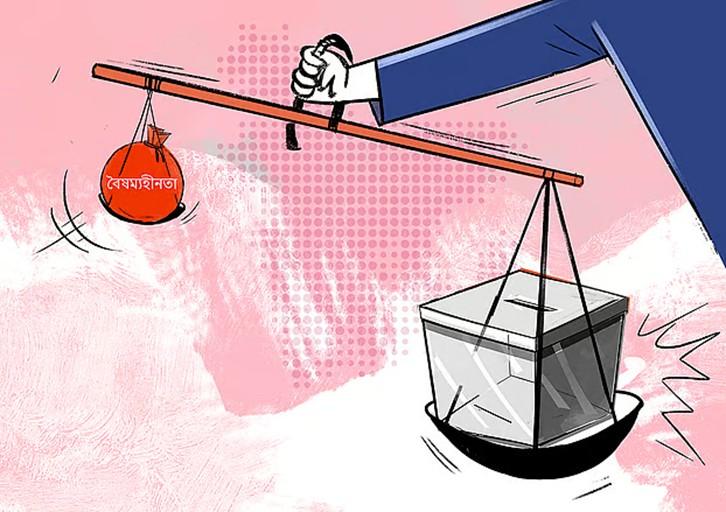
Political parties were failing to reach a consensus on increasing women’s representation in parliament during discussions with the National Consensus Commission. At one stage, a proposal to nominate at least 5 per cent women candidates was tabled, to which most parties agreed.

Women were at the forefront of the July 2024 uprising, but in the subsequently formed political structures, insecurity and social backlash gradually pushed them aside.

It is worth repeating that women constitute half of society. Any decision-making without the equal participation of women is truncated and illegitimate from a democratic point of view.

Across the world, women are underrepresented. Globally, fewer than one in four parliamentarians are women. In many Asia–Pacific countries, including Bangladesh, systemic barriers continue to limit women’s political participation.

Hello there, friend.

The upcoming national election in Bangladesh is significant for a number of reasons, one of the more significant of which is the issue of higher female representation and inclusiveness in Bangladeshi politics.