Castigo para personas electas por voto popular van desde la amonestación escrita hasta la pérdida de credenciales, o bien, la expulsión del partido o el despido del funcionario.
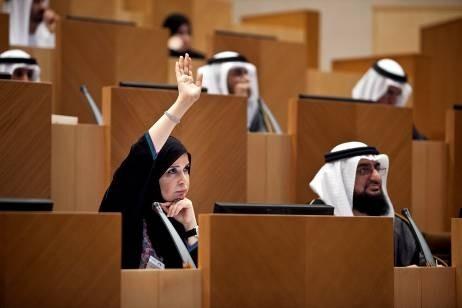
Democracy and the equal participation of men and women in the political arena are closely intertwined. No parliament or any decision-making body can claim to be representative without the participation of both men and women. As stated in the Universal Declaration on Democracy adopted by the Inter-Parliamentary Union’s Member Parliaments in 1997, "The achievement of democracy presupposes a genuine partnership between men and women in the conduct of the affairs of society in which they work in equality and complementarity, drawing mutual enrichment from their differences."
Recent years have seen a steady increase in the number of women in parliament, though the world average of less than 22 percent remains far from the goal of parity between women and men. The election of women to the highest positions of state and government in several countries has also contributed to the changing face of politics.
While the road to election is a difficult one, the challenges for women do not stop there. Once women enter parliament or other bodies, they are faced with many new challenges. Parliament is traditionally a male-oriented domain where the rules and practices have been written by men. It is, therefore, an ongoing challenge to transform parliament into a gender-sensitive environment, to ensure that actions are gender-sensitive and to guarantee that gender is mainstreamed throughout the legislature.
Castigo para personas electas por voto popular van desde la amonestación escrita hasta la pérdida de credenciales, o bien, la expulsión del partido o el despido del funcionario.
La responsable de la Oficina de Asuntos Globales de Mujeres estadounidense, Katrina Fotovat, elogia las políticas del Gobierno, como la paridad en el gabinete de Sánchez.
Las acusaciones de “Instinto Básico” a una diputada laborista dejan en evidencia la misoginia en la política británica
La vicepresidenta y ministra de trabajo participa en la presentación de 'Poderío', un libro en que la periodista y analista política Patrycia Centeno estudia los liderazgos femeninos.
La Corte Constitucional declaró inexequible la reforma al Código Electoral, al encontrar vicios en su trámite por parte del Congreso en 2020. La iniciativa incluía puntos esenciales para promover a las mujeres en procesos electorales.
Para el Tribunal de Cundinamarca el presidente “infringió el ordenamiento jurídico” al no tener en su gabinete seis mujeres.
Autoridades del IEPC indicaron que las denuncias que se presentaron durante el pasado proceso electoral sí tuvieron seguimiento.
Cerrar brecha en participación económica, logro educativo, salud y empoderamiento político son los mayores retos.