Ecuador: solo ocho mujeres han buscado la presidencia de Ecuador desde 1979

Ecuador no ha tenido nunca a mujer presidenta y, desde el retorno a la democracia en 1979, solo ocho se han postulado para este cargo.
Democracy and the equal participation of men and women in the political arena are closely intertwined. No parliament or any decision-making body can claim to be representative without the participation of both men and women. As stated in the Universal Declaration on Democracy adopted by the Inter-Parliamentary Union’s Member Parliaments in 1997, "The achievement of democracy presupposes a genuine partnership between men and women in the conduct of the affairs of society in which they work in equality and complementarity, drawing mutual enrichment from their differences."
Recent years have seen a steady increase in the number of women in parliament, though the world average of less than 22 percent remains far from the goal of parity between women and men. The election of women to the highest positions of state and government in several countries has also contributed to the changing face of politics.
While the road to election is a difficult one, the challenges for women do not stop there. Once women enter parliament or other bodies, they are faced with many new challenges. Parliament is traditionally a male-oriented domain where the rules and practices have been written by men. It is, therefore, an ongoing challenge to transform parliament into a gender-sensitive environment, to ensure that actions are gender-sensitive and to guarantee that gender is mainstreamed throughout the legislature.
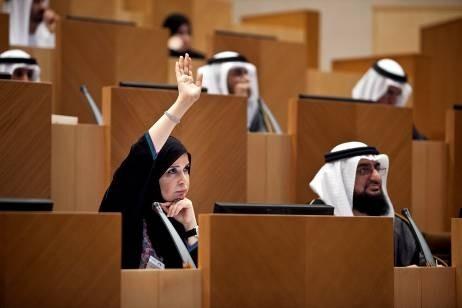
Ecuador no ha tenido nunca a mujer presidenta y, desde el retorno a la democracia en 1979, solo ocho se han postulado para este cargo.
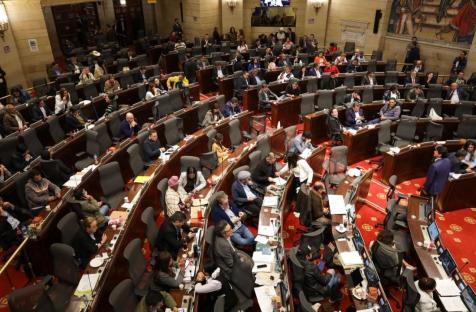
En la recta final de la legislatura, la Cámara de Representantes aprobó en su último debate un proyecto que garantizará la paridad en los cargos públicos.

Las mujeres en la política históricamente han ocupado menos espacios en la política que los hombres.

Las plenarias de Cámara y Senado aprobaron por unanimidad la conciliación del proyecto de ley que rechaza, visibiliza, previene y sanciona la violencia política contra la mujer.
“Sólo 3 de 30 municipios en la región de Los Lagos están liderados por mujeres.
Al impartir la conferencia ”Retos y avances de la participación política de las mujeres a 100 años del reconocimiento del derecho al voto en San Luis Potosí” la consejera del INE, Dania Ravel recon
La agenda de trabajo del segundo día del Tercer Congreso Federal de Empleo Público se conformó con una serie de actividades que abordaron desde diferentes perspectivas y experiencias las temáticas
La plenaria de la Cámara de Representantes de Colombia ha aprobado por unanimidad un proyecto de ley estatutaria que busca establecer medidas para prevenir la violencia política contra las mujeres.
De acuerdo con el mapa de las mujeres en la política de la Unión Interparlamentaria y ONU Mujeres, con corte al 1 de enero de 2023, el número de las que ocupan puestos de liderazgo político, tanto