December 2, 2021
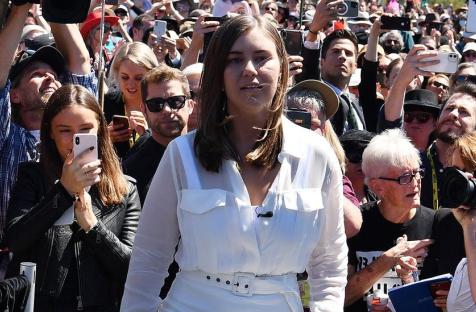
Escándalo en Australia: el 63% de las mujeres ha sufrido en acoso sexual en el Parlamento
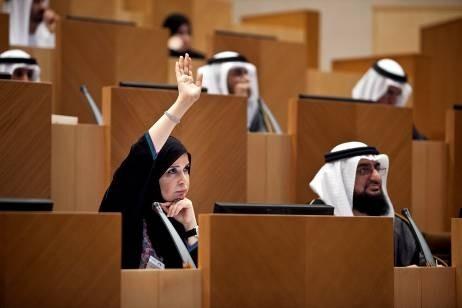
Democracy and the equal participation of men and women in the political arena are closely intertwined. No parliament or any decision-making body can claim to be representative without the participation of both men and women. As stated in the Universal Declaration on Democracy adopted by the Inter-Parliamentary Union’s Member Parliaments in 1997, "The achievement of democracy presupposes a genuine partnership between men and women in the conduct of the affairs of society in which they work in equality and complementarity, drawing mutual enrichment from their differences."
Recent years have seen a steady increase in the number of women in parliament, though the world average of less than 22 percent remains far from the goal of parity between women and men. The election of women to the highest positions of state and government in several countries has also contributed to the changing face of politics.
While the road to election is a difficult one, the challenges for women do not stop there. Once women enter parliament or other bodies, they are faced with many new challenges. Parliament is traditionally a male-oriented domain where the rules and practices have been written by men. It is, therefore, an ongoing challenge to transform parliament into a gender-sensitive environment, to ensure that actions are gender-sensitive and to guarantee that gender is mainstreamed throughout the legislature.
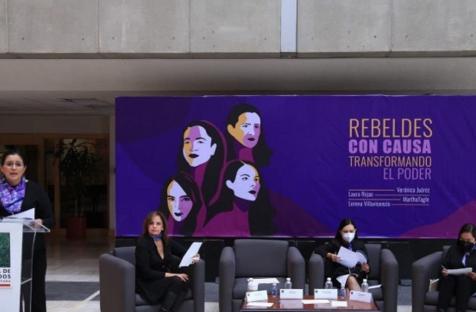
Con el llamado a feminizar el poder, las “Rebeldes con Causa”: Lorena Villavicencio, Laura Rojas, Martha Tagle y Verónica Juárez, convocaron a las legisladoras a adoptar una postura más allá de partidismos, articulada y comprometida con las mujeres y niñas que represe
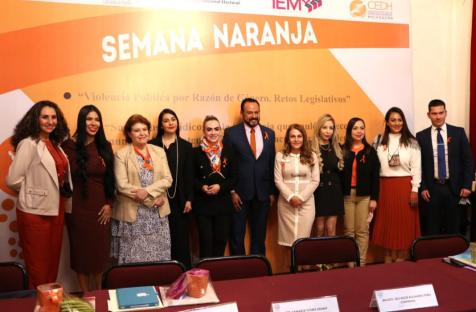
Desde cada trinchera se debe trabajar para los retos que se tienen en la lucha para combatir la violencia política por razón de género, coincidieron Legisladoras y Magistradas durante el Foro “Violencia Política por Razón de Género Retos Legislativos”.
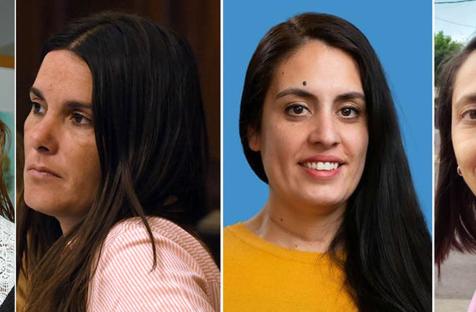
La Ley de Paridad de Género obligó a los partidos políticos a conformar listas de candidaturas con un 50% de representación femenina y el otro 50%, masculina.

Por Luis García Abusaíd
El pasado 18 de noviembre, las diputadas locales del PRI lanzaron una Iniciativa para impulsar la paridad de género en todos los ámbitos de gobierno estatal. Una mujer gobernadora llegaría hasta 2029, según lo precisa un artículo transitorio.
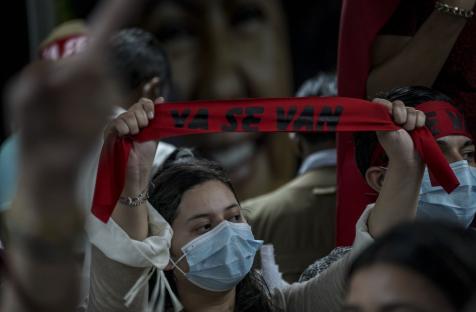
Los datos oficiales en Honduras indican que la candidata izquierdista Xiomara Castro será la nueva presidenta del país al lograr una ventaja sobre Nasry Asfrura de casi 20 puntos con más del 46% de las actas escrutadas.
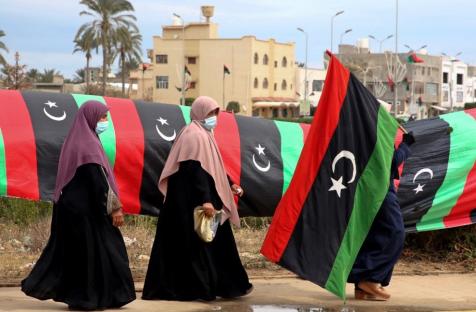
La activista bereber Laila Salim Musa bin Jalifa se convirtió este lunes en la primera y única mujer en presentar su candidatura a las elecciones presidenciales de Libia, previstas para el próximo 24 de diciembre y en la que los libios elegirán a su jefe de Estado por
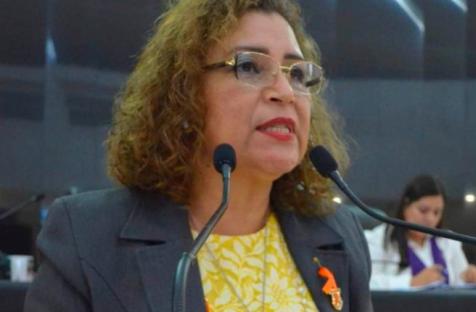
Durante la sesión de este viernes, diputados y diputadas de la XVI Legislatura, aprobaron destinar un recurso económico a la celebración del primer Parlamento de Mujeres, que se estará programando para el mes de noviembre del 2022.