Mayo 26, 2016
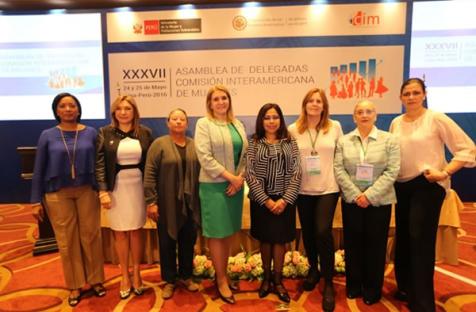
Marcela Huaita, nueva Presidenta de la Comisión Interamericana de Mujeres
En el marco de la XXXVII Asamblea de la Comisión Interamericana de Mujeres (CIM) en Lima se eligieron las nuev
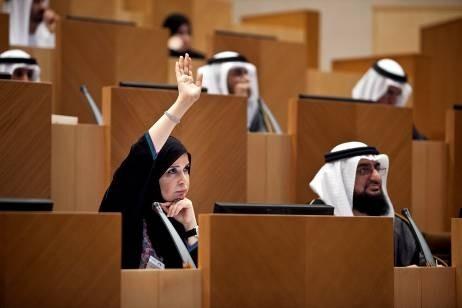
Democracy and the equal participation of men and women in the political arena are closely intertwined. No parliament or any decision-making body can claim to be representative without the participation of both men and women. As stated in the Universal Declaration on Democracy adopted by the Inter-Parliamentary Union’s Member Parliaments in 1997, "The achievement of democracy presupposes a genuine partnership between men and women in the conduct of the affairs of society in which they work in equality and complementarity, drawing mutual enrichment from their differences."
Recent years have seen a steady increase in the number of women in parliament, though the world average of less than 22 percent remains far from the goal of parity between women and men. The election of women to the highest positions of state and government in several countries has also contributed to the changing face of politics.
While the road to election is a difficult one, the challenges for women do not stop there. Once women enter parliament or other bodies, they are faced with many new challenges. Parliament is traditionally a male-oriented domain where the rules and practices have been written by men. It is, therefore, an ongoing challenge to transform parliament into a gender-sensitive environment, to ensure that actions are gender-sensitive and to guarantee that gender is mainstreamed throughout the legislature.
En el marco de la XXXVII Asamblea de la Comisión Interamericana de Mujeres (CIM) en Lima se eligieron las nuev
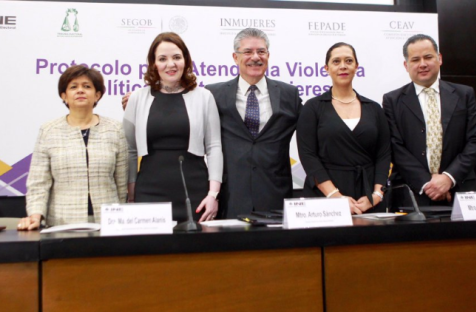
El Instit
Durante la reunión semestral del Tribunal Electoral del Poder Judicial, su presidente, Constancio Carrasco, ha asumido la Presidenci
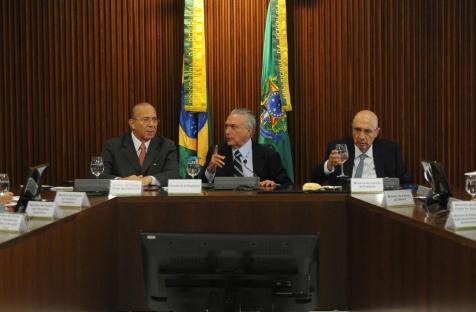
Dilma Rousseff, la presidenta número 36 de Brasil, ha sido suspendida desde 12 Mayo 2016 en el contexto de un proceso d
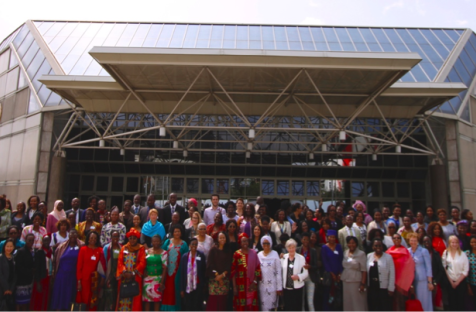
El proceso para establecer una Sala de Situación de Mujeres ha comenzado en Ghana.
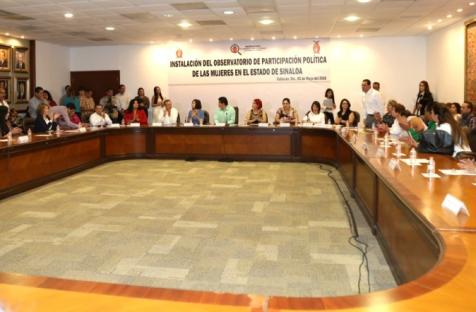
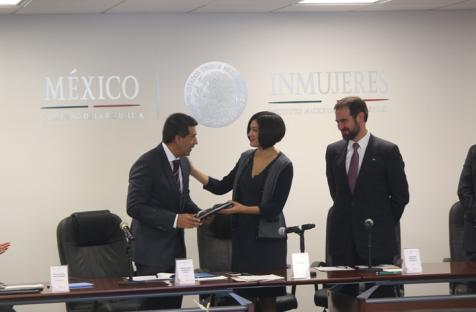
Lorena Cruz Sánchez, presidenta del Instituto Nacional de las Mujeres (INMUJERES), ha declarado que el estado de Sinaloa, en México,
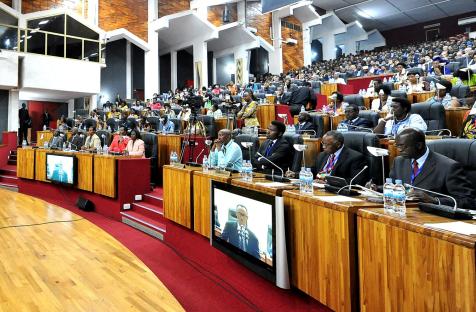
Ruanda, líder en el empoderamiento político de las mujeres, se han aprobado recientemente una nueva ley que da derechos a las nuevas madres.
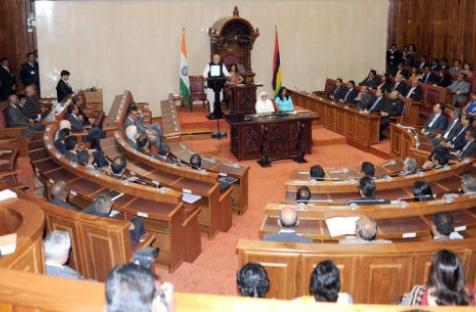
El Presidente de la Asamblea Nacional de Mauricio, la Sra Santi Bai Hanoomanjee, ha hecho hincapié en la importancia de que una Junta Parlamentaria de Género facultaría el compromiso del Gobierno c
