Aller au contenu principal

Parliaments and Representatives

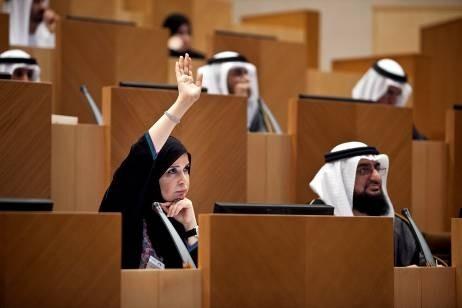
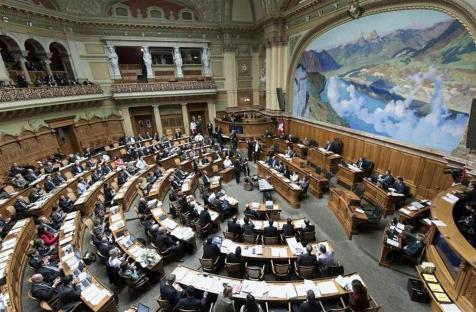
Democracy and the equal participation of men and women in the political arena are closely intertwined. No parliament or any decision-making body can claim to be representative without the participation of both men and women. As stated in the Universal Declaration on Democracy adopted by the Inter-Parliamentary Union’s Member Parliaments in 1997, "The achievement of democracy presupposes a genuine partnership between men and women in the conduct of the affairs of society in which they work in equality and complementarity, drawing mutual enrichment from their differences."

Recent years have seen a steady increase in the number of women in parliament, though the world average of less than 22 percent remains far from the goal of parity between women and men. The election of women to the highest positions of state and government in several countries has also contributed to the changing face of politics.

While the road to election is a difficult one, the challenges for women do not stop there. Once women enter parliament or other bodies, they are faced with many new challenges. Parliament is traditionally a male-oriented domain where the rules and practices have been written by men. It is, therefore, an ongoing challenge to transform parliament into a gender-sensitive environment, to ensure that actions are gender-sensitive and to guarantee that gender is mainstreamed throughout the legislature.

https://www.journaldequebec.com/2026/09/11/encore-tellement-a-faire-pour-les-femmes-en-politique
September 15, 2026
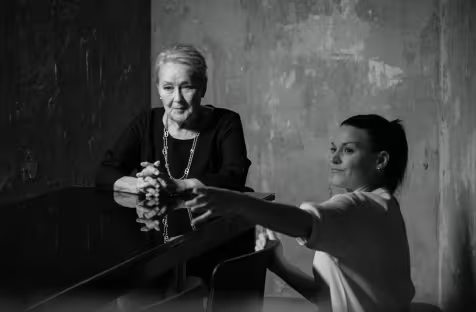
Encore tellement à faire pour les femmes en politique!

Nul ne peut rester de glace en regardant Un renversement, documentaire percutant d’Amélie Hardy, jeune réalisatrice qui s’est penchée sur les inégalités et les barrières invisibles qui persistent pour les femmes en politiq
https://lnt.ma/legislatives-les-90-sieges-regionaux-reserves-pour-la-premiere-fois-aux-femmes/
September 3, 2026
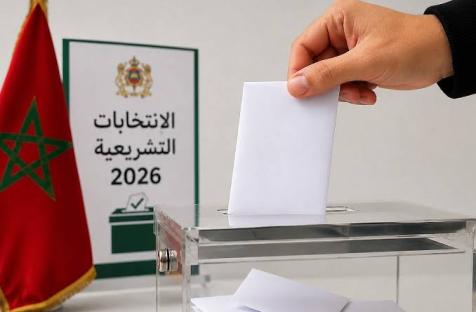
Législatives: les 90 sièges régionaux réservés pour la première fois aux femmes

Le dépôt des candidatures s’est ouvert ce lundi matin pour les élections du 23 septembre. Une nouveauté modifie la physionomie du scrutin : les listes régionales, qui pourvoient 90 des 395 sièges de la Chambre des représentants, sont cette année exclusivement féminines.

https://www.rts.ch/info/societe/2026/article/stereotypes-de-genre-les-parlementaires-plus-touches-que-les-citoyens-29306286.html
août 13, 2026
"Les élites politiques expriment plus souvent des stéréotypes de genre que les simples citoyens"
Une étude suisse révèle que les parlementaires – hommes comme femmes – sont davantage marqués par les clichés de genre que la population en général.
https://www.boursorama.com/actualite-economique/actualites-amp/danemark-la-premiere-ministre-devoile-son-gouvernement-compose-d-une-majorite-de-femmes-c37baba93a38f7a81007ea7adba5e314
juin 5, 2026
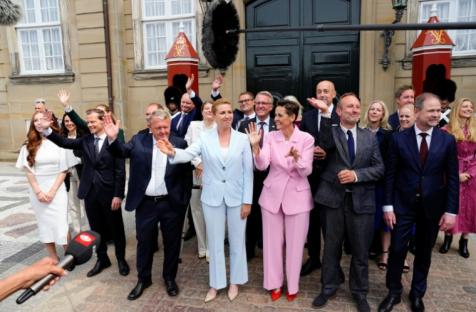
Danemark: la Première ministre dévoile son gouvernement, composé d'une majorité de femmes

La Première ministre danoise Mette Frederiksen a présenté mercredi son nouveau gouvernement qui, pour la première fois dans l'histoire du Danemark, compte plus de femmes que d'hommes.

https://www.oxfamfrance.org/rapports/index-de-feminisation-du-pouvoir-2026/
juin 1, 2026
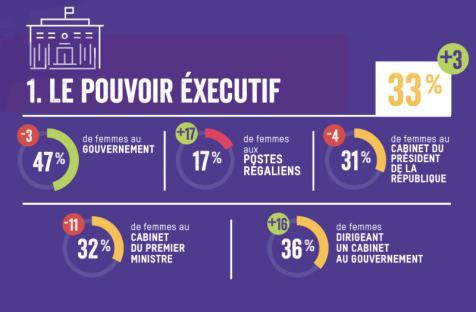
L’index de féminisation du pouvoir 2026

La parité semble en panne : en 2026, les femmes occupent toujours seulement 28 % des postes clés du pouvoir en France. À un an d’échéances électorales majeures, Oxfam France dévoile la deuxième édition de son index de la féminisation du pouvoir en France.

https://www.sudouest.fr/societe/egalite-femmes-hommes/parite-en-politique-les-femmes-totalement-sous-representees-a-la-tete-des-intercommunalites-28957068.php
juin 1, 2026
Parité en politique : les femmes totalement sous-représentées à la tête des intercommunalités

Malgré une légère progression, les femmes ne dirigent que 14,6 % des intercommunalités en 2026, un chiffre qui souligne la lenteur de la féminisation des instances locales