Système de recrutement de parti politique pour les femmes
Democracy and the equal participation of men and women in the political arena are closely intertwined. No parliament or any decision-making body can claim to be representative without the participation of both men and women. As stated in the Universal Declaration on Democracy adopted by the Inter-Parliamentary Union’s Member Parliaments in 1997, "The achievement of democracy presupposes a genuine partnership between men and women in the conduct of the affairs of society in which they work in equality and complementarity, drawing mutual enrichment from their differences."
Recent years have seen a steady increase in the number of women in parliament, though the world average of less than 22 percent remains far from the goal of parity between women and men. The election of women to the highest positions of state and government in several countries has also contributed to the changing face of politics.
While the road to election is a difficult one, the challenges for women do not stop there. Once women enter parliament or other bodies, they are faced with many new challenges. Parliament is traditionally a male-oriented domain where the rules and practices have been written by men. It is, therefore, an ongoing challenge to transform parliament into a gender-sensitive environment, to ensure that actions are gender-sensitive and to guarantee that gender is mainstreamed throughout the legislature.

Le manuel Les Femmes au parlement – Au-delà du nombre est une contribution de International IDEA au renforcement de la particiption des femmes à la vie politique. Il se veut un outil pratique.
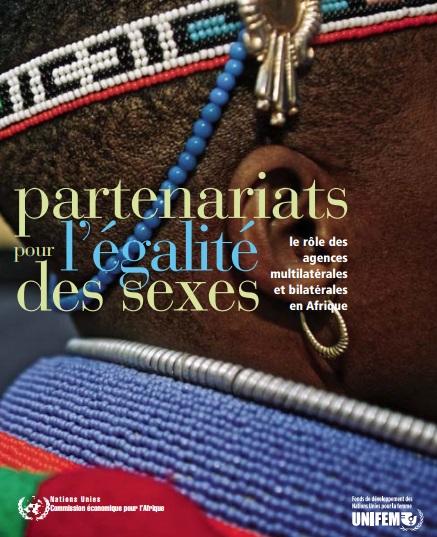
Ce rapport retrace le travail accompli par divers donateurs multilatéraux en Afrique pour atteindre les objectifs de la conférence Beijing+10.
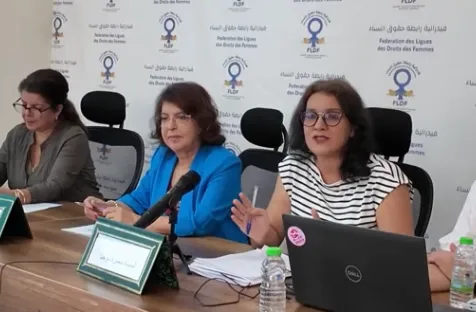
À quelques jours des législatives, la Fédération des Ligues des Droits des Femmes passe au crible les engagements des partis en matière d’égalité.
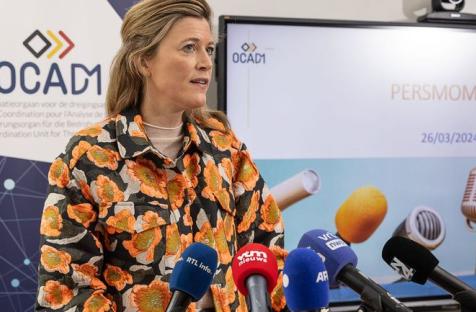
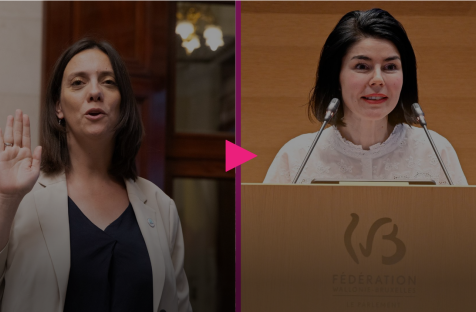
Le nouveau gouvernement de la Fédération Wallonie-Bruxelles sera composé de quatre ministres, et parmi eux, deux Bruxelloises.
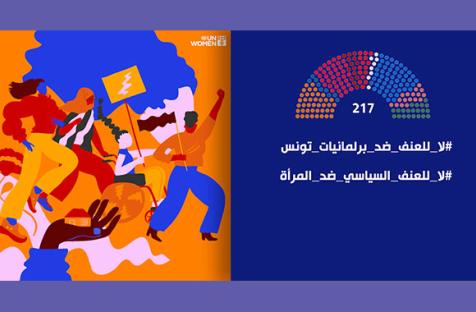
A l’occasion de la célébration de l’anniversaire de la Déclaration universelle des droits de l’homme, le 10 décembre 2021, un groupe de femmes parlementaires tunisiennes, en majorité membres du parti islamiste Ennahdha, contre lequel le mouvement de protestation popul
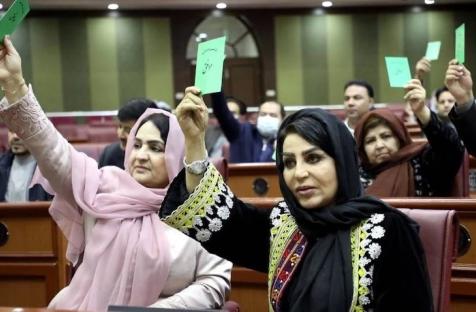
Des dizaines de députés afghanes exilées en Grèce plaident pour les droits des femmes afghanes. A ce titre, elles ont lancé en collectif un nouveau parlement. C'est en Grèce, détaille The Independent, que sont aujourd'hui exilées près de la moitié des femmes députées et sénatrices afghanes.
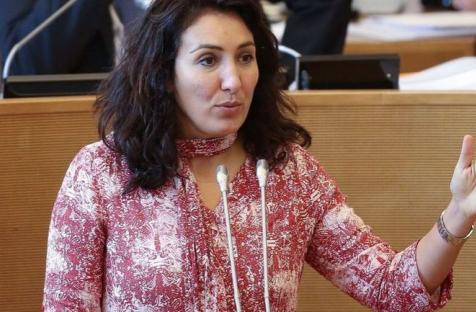
En passant au crible les prises de parole au parlement de Wallonie en 2020, il ressort que 82,4% d’entre elles sont le fait d’orateurs masculins, rapporte Le Soir mercredi.