Elections
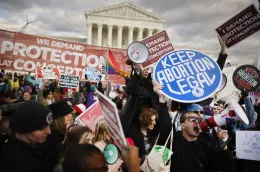
All signs suggest that the partisan divide over changing gender roles in society could widen even further in the 2024 election, adding a new source of uncertainty to a contest already on a knife’s edge.
Donald Trump’s recent declaration to female voters that “I will be your protector” offered the latest demonstration of the former president’s determination to consolidate the voters most committed to traditional gender roles and family structures – a culturally conservative group that includes not only many men but also a large number of women.
In the process, though, political strategists in both parties believe the GOP nominee risks further alienating the broad array of voters who are comfortable with the social changes that have challenged those traditional patterns of family life, especially women. Younger, college-educated and single women are likely to be particularly resistant to the idea that they need protecting by any man – much less one in Trump, who has been found liable for sexual abuse in a New York civil case and who faces specific allegations of sexual misconduct from dozens of other women.
Read here the full article published by CNN on 1 October 2024.
Image by CNN
Introduction
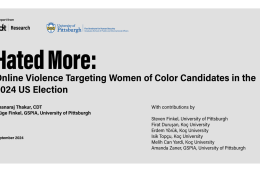
Women, and women of color in particular, face numerous challenges when running for political office in the U.S. These include attacks they are subject to in various online spaces that, like their peers, they must use to campaign and promote their work. These attacks often aim to undermine and prevent women’s participation in politics. Previous research by CDT found that women of color Congressional candidates in the 2020 U.S. election were more likely to be subjected to violent and sexist abuse, and mis- and disinformation on X/Twitter compared to other candidates. These forms of abuse might contribute to the underrepresentation of women of color in politics, and may also undermine the effectiveness of the US democratic system in reflecting the interest and priorities of all voters in policy-making.
In this research brief, we turn to the 2024 U.S. elections to examine the nature of offensive speech and hate speech that candidates running for Congress are subject to on the social media platform X (formerly Twitter), which remains an important forum for political candidates. More specifically, we compare the levels of offensive speech and hate speech that different groups of Congressional candidates are targeted with based on race and gender, with a particular emphasis on women of color. We also examine these factors for U.S. Vice President Kamala Harris as a woman of color and presidential candidate.
Read here the full report published by Center for Democracy & Technology on 2 October 2024.
Image credits: Center for Democracy & Technology
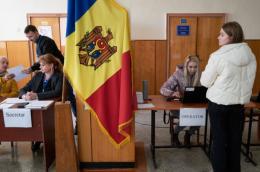
Moldova is heading to the polls in October for presidential elections and an EU referendum, with pro-European incumbent President Maia Sandu seeking a second term but facing Kremlin-backed candidates and disinformation.
The country's election on 20 October 2024 will be only the third direct presidential election since Moldova’s independence from the Soviet Union and the abolition of the previous system of parliament electing the president.
Sandu is campaigning as a pro-European candidate against many pro-Russian or only nominally pro-European candidates who previously supported closer ties with Russia.
Her main challenger and likeliest opponent in a potential second round of voting is former Prosecutor General Alexandr Stoianoglo.
Stoianoglo is nominally running as a pro-European candidate but is backed by the Socialists, the largest pro-Russian party in parliament, and has been speaking publicly about the need to maintain Moldova’s neutrality and to have a more balanced relationship between Russia and the EU.
At the same time, the former prosecutor general is defending himself in multiple court cases involving corruption and bribery during his time in office.
Read here the full article published by Euroactiv on 27 September 2024.
Image by Euroactiv
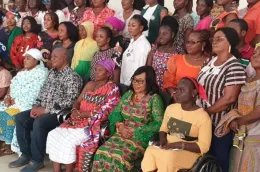
The African Women Leaders Network (AWLN), Ghana Chapter, has urged all women to take active interest in politics to let their voices become a powerful catalyst for political and economic transformation of the country.
“As we approach election 2024, we must challenge ourselves into meaningful actions. Let this election be a turning point where women leadership is not only encouraged but celebrated, where dialogues from every corner of the country, from the smallest village to the largest city, are voices of women who have been the backbone of our communities.’’
“Together, let us pave the way for a future where every woman, regardless of who you are knows that her voice matters, her leadership is valued and her potential limitless. We can change the narrative, and so we should do it.”
Chairperson of the AWLN, Dr Charity Binka, made the call at a town hall meeting of women of various leadership positions in the society, here.
Read here the full article published by the Ghanaian Times on 24 September 2024.
Image credits: Ghanaian Times
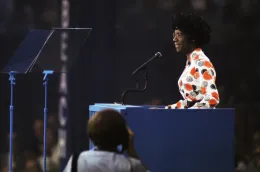
This potent idea, popularized by trailblazers like Shirley Chisholm and bell hooks, continues to resonate through women's leadership actions today. It's particularly relevant in the context of the 2024 election, as we witness Harris' campaign and the unmistakable impact of her personal experiences on her political vision.
Chisholm's legacy is one of groundbreaking firsts. The first Black woman in Congress and the first woman to seek the Democratic presidential nomination, Chisholm challenged the political status quo. Her unapologetic advocacy for women's rights, people of color and people experiencing poverty embodied the idea that personal experiences and identities shape political action. Chisholm famously said, "If they don't give you a seat at the table, bring a folding chair." Her boldness and determination continue to inspire women to claim their rightful space in politics, serving as an example of hope and encouragement for generations to come.
Renowned author and scholar bell hooks spent her career exploring the intersections of race, gender and class. Her work has been instrumental in shaping our understanding of how systems of oppression operate and how individuals can resist. She argues that “personal is political” is not just a slogan but a strategy for liberation. By centering the experiences and perspectives of marginalized people, we can challenge dominant power structures and create a more just society.
Read here the full article published by The Fulcrum on 26 September 2024.
Image credits: The Fulcrum
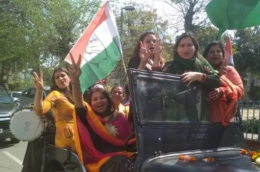
The recent momentum around the ‘One Nation, One Election’ initiative, following the Union Cabinet’s approval of the report by the committee led by former President Ram Nath Kovind, has sparked a fresh debate on electoral reforms. Proponents argue that synchronising national and state elections could streamline governance, reduce election-related disruption, and even boost GDP. However, as with many grand reforms, the devil lies in the details. It is crucial to ask: What would this reform mean for women who rely on local elections — panchayats and municipalities — as critical entry points into politics?
Implications for local democracy
The Kovind Committee report proposes synchronising panchayat and municipal elections within 100 days of the Lok Sabha and state assembly elections. This approach undermines the critical role that local elections play in fostering women’s political participation and leadership at the grassroots level. While national and state elections tend to focus on broader, macro-level issues, local elections are grounded in the everyday concerns of communities — domains where women’s leadership has been particularly vital.
Read here the full article published by The Indian Express on 24 September 2024.
Image credits: The Indian Express