When out campaigning, especially in the run up to elections I often encounter women who say they do not vote. This is one area of life where socio-economic status does not seem to be a factor, with mums on council estates and women living in detached mansions all saying the same thing. I frequently hear phrases such as, “I let my husband/partner make the decisions”, “I don’t understand politics”, “they (politicians) are all the same”, and “my vote doesn’t make any difference”.
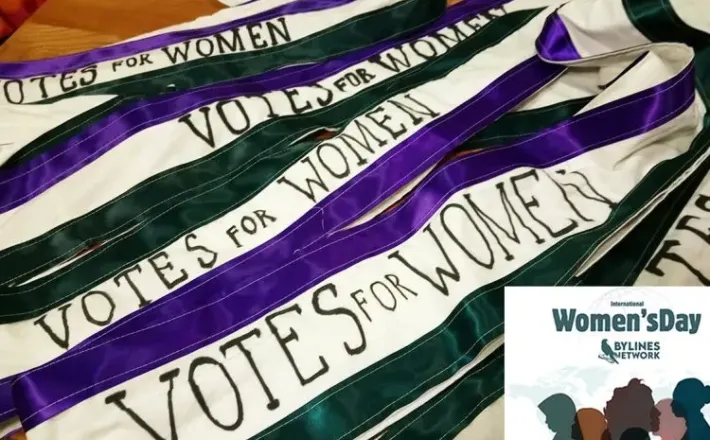
More than 100 years since women won the vote it’s sad to note that a significant number of women still do not use their hard-won franchise to help shape the decision-making bodies that affect our everyday lives. After all, women are in many cases juggling multiple responsibilities, managing household budgets, trying to make ends meet often in difficult circumstances. Our experience matters and when our voice is not heard the whole of society is worse off.
Beyond the obvious solutions such as quotas and ‘Women Only’ short-lists what else could we do to improve the situation? Changing our electoral system is one option which might contribute to reducing the democratic deficit along with improving the representation of women in politics.

Hear from women leading change in the political space share their experiences and insights.

Explore a wide-range of audio-visual resources on key topics of gender equality.

Hear from a diverse list of panelists and guests as they reflect on critical issues pertaining Women in Politics.