
September 18, 2019
Israel elections: who women vote for and how it’s shifting
Israelis are heading to the polls in a unique election.
Women’s political participation in electoral processes requires targeted support to overcome gender discrimination. Key strategies for enhancing gender balance in electoral processes include: working with political parties to promote gender sensitive policies and practices to foster women’s leadership; targeted outreach and support for women to register to vote and safely access polling stations; guarantee of protection from election related violence and harassment; the use of quotas and temporary special measures to increase women’s representation; effective technical and financial support to women candidates and political leaders; and engagement of male champions for women’s empowerment and gender equality.
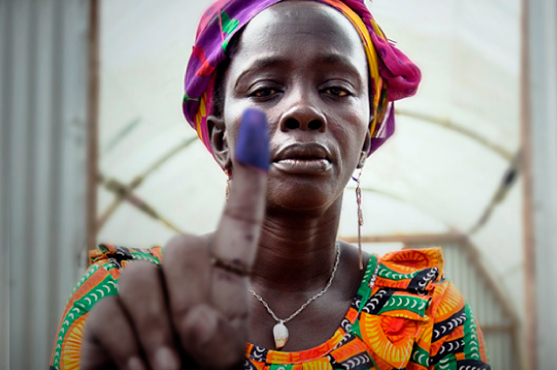

Israelis are heading to the polls in a unique election.

In Switzerland, female voters outnumber their male counterparts by 10%. Yet women remain a minority in cantonal and federal politics. Here’s a look at some of the reasons for this discrepancy.
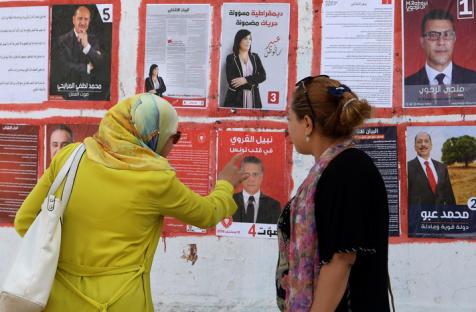
Tunisia has long been seen as a pioneer for women's rights in the Arab world, but on the eve of presidential elections, women are calling this reputation into question.
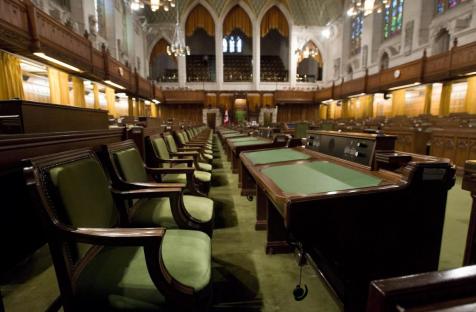
Men have greater confidence in their ability to serve as politicians and are more likely to have been personally encouraged to enter politics, a new poll shows, underscoring factors why women are under-represented at all levels of elected office in C
By Kathleen Townsend,

IMF examines the impact of gender equality on electoral violence in Africa using micro-level data from the sixth round of Afrobarometer surveys. The sample covers 30 countries.

By Amanda Renteria,

How do women in elections stand to gain in terms of power sharing? What are the takeaways for them?
Despite a record number of women winning seats in Sunday’s Upper House election, some female voters have expressed doubts about the government’s commitment to empowering women.