Privilege and gendered violence in the Canadian and British Houses of Commons
Abstract
Abstract
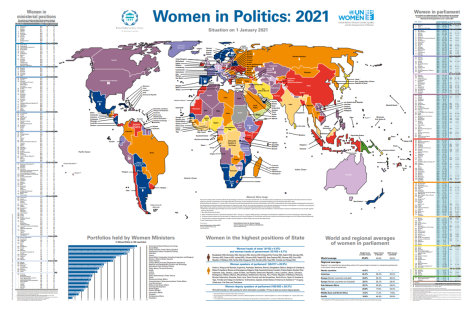
Women make up only 23.5% of Members of Parliament according to the latest available data of the Inter-Parliamentary Union. While significant strides in women’s political participation have been made since the adoption of the Beijing Platform for Action in 1995, which set Member States’ target of achieving gender balance in political decision-making, women are still underrepresented in political decision-making at all levels and gender balance remains an aspirational goal. Gains in women’s participation have been notable in countries that have taken proactive steps to support women’s political participation, including reforming or amending discriminatory laws, taking concrete action to address violence against women in politics and gender discrimination within parliaments, addressing gender-specific barriers, and supporting women in all forms of decision-making including at local level and in executive government.
Abstract
Abstract
By Cynthia Richie Terrell
Equality Parliamentary Secretary Rosianne Cutajar closes the Second Reading debate on the gender corrective mechanism.
The vandalism and thefts targeting House Speaker Nancy Pelosi last week sought to assail her position as one of the most powerful women in American politics.
In the early afternoon of May 13, 2020, Joana Mamombe, a member of parliament in Zimbabwe, was seized by security officers after she participated in a pop-up protest, demanding aid for the poor during the Covid pandemic.
Twenty years ago, the U.S. ranked 48th internationally for women’s representation. In 2021, we will rank 70th—that’s a sizable drop. But it doesn’t have to be like this.
TOKYO - Japan will aim for a 35 percent quota for female parliamentary candidates by 2025, Cabinet Office officials have said, hoping that setting a concrete target will advance gender equality in the political realm.
This e-Discussion raised awareness on the online harassment, abuse, and violence against women in politics by encouraging a dialo