September 30, 2026
The women’s leadership gap that we should all be talking about
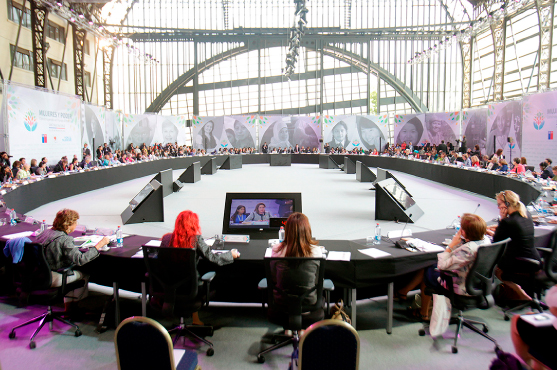
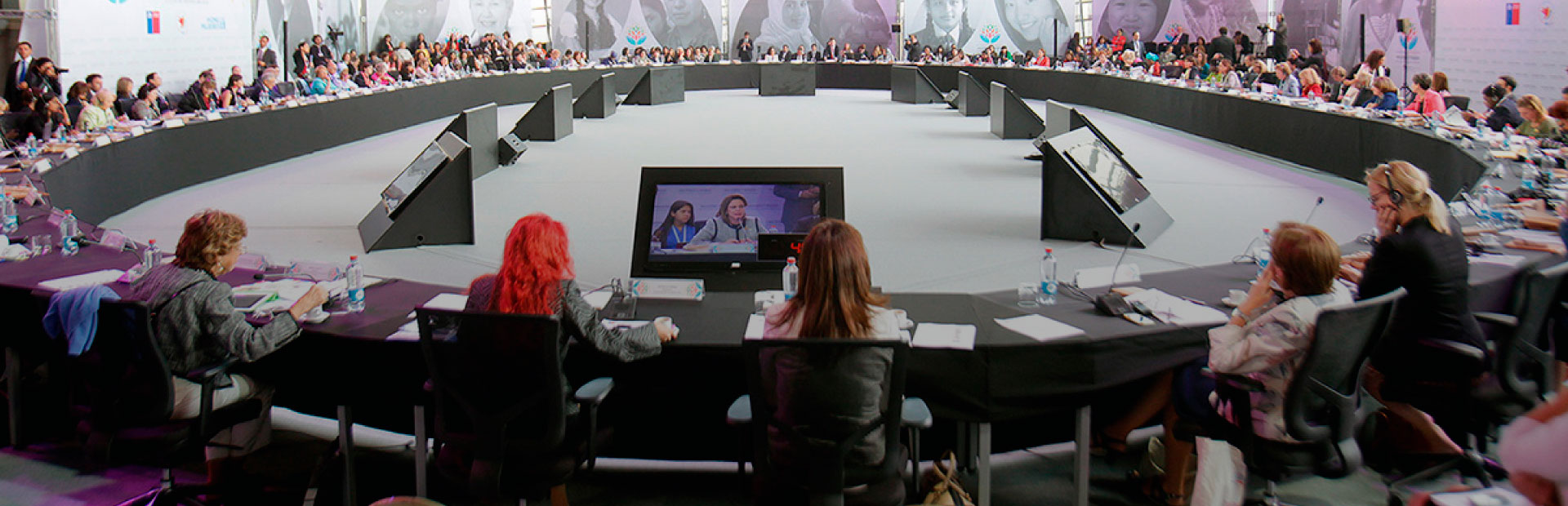
Six out of seven countries in the world are led by a man.
While there have been important advances in women’s leadership in politics, as of November 1 2017, women make up only 7.2% of Heads of State and 6.2% Heads of Government. Data on women representatives in local government, including as mayors, heads of villages and towns, is not well collected and analyzed. The adoption of an SDG indicator on women’s representation in local government is a great step forward in tracking progress on gender balance, allowing for the systematic collection and analysis of data on women in local government. Women’s access to and continued role in leadership positions is challenged by a range of barriers, including discriminatory laws and practices, as well as social norms that prescribe traditional roles and attitudes towards women’s participation in leadership and decision-making roles. Proactive gender-equality policies within political parties and local government structures, including quotas and special temporary measures, gender-sensitive approaches to electoral processes, support networks, mentoring, training, and engagement of male champions, can all help promote women’s role in political leadership.

Six out of seven countries in the world are led by a man.
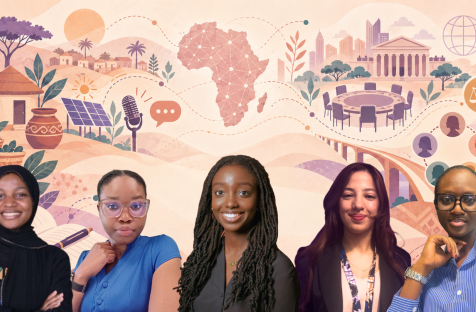
In Sarra Mansour’s hometown in Algeria, water scarcity can last for days. Women manage household resources, adjust daily routines and keep family life steady. Their decisions carry consequences for health, time, and collective wellbeing.
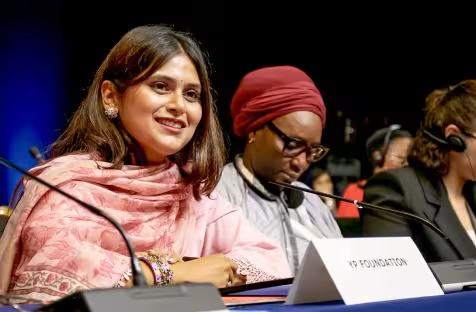
Sanjolli Kumari Padhy is a human rights lawyer and youth advocate from India working with The YP Foundation – a feminist youth-led organization advancing health equity and gender justice in India that is a Commitment Maker for the Feminist Movements and Leadership Action Coalition under t
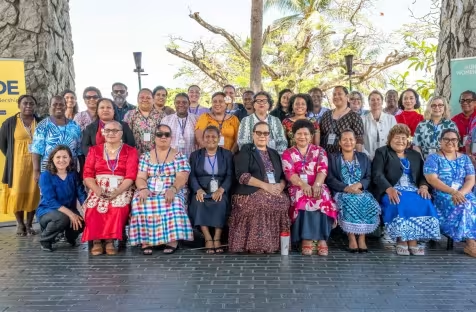
Across the Pacific, women are leading communities, movements, public institutions and national conversations. More women are entering politics and challenging long-standing ideas about who can lead.
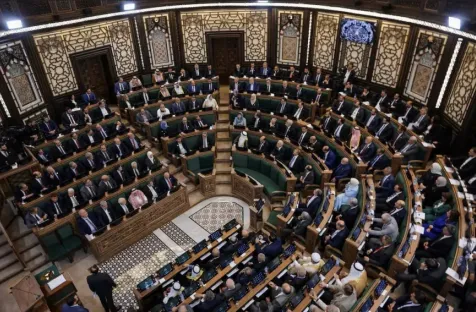
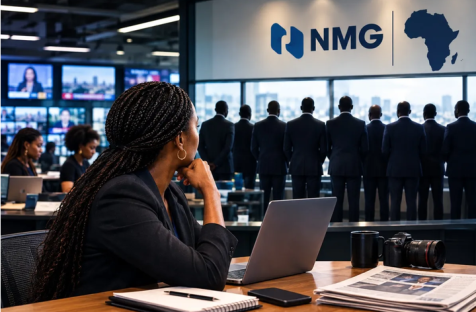
Nation Media Group’s latest regional editorial restructuring has triggered an uncomfortable question about the place of women in African newsrooms: who gets to decide whose voice is heard?
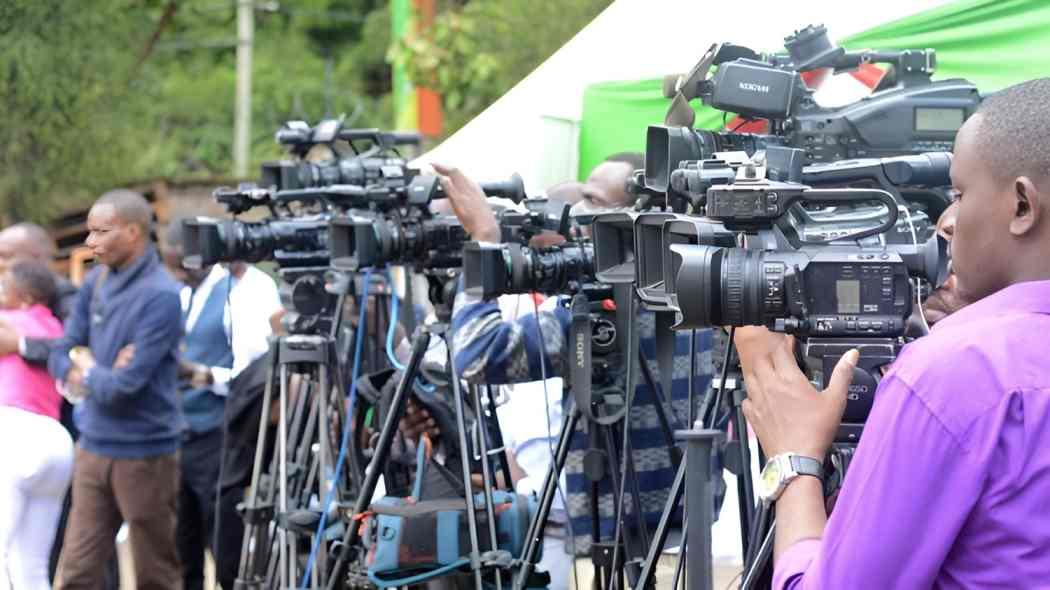
Barely a month after the Nation Media Group announced its new board of management comprising Dr.
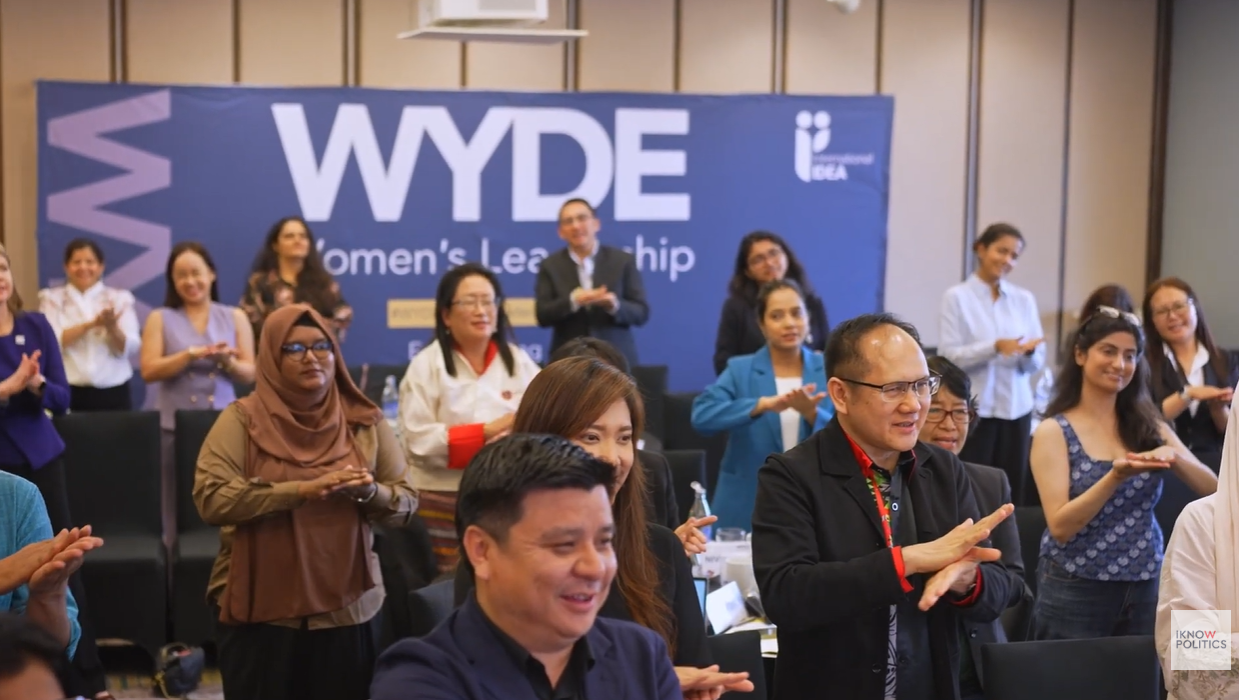
International IDEA organized a two-day South Asia and Southeast Asia Dialogue on transforming gender social norms to advance women’s and youth participation and representation in leadership and decision-making.
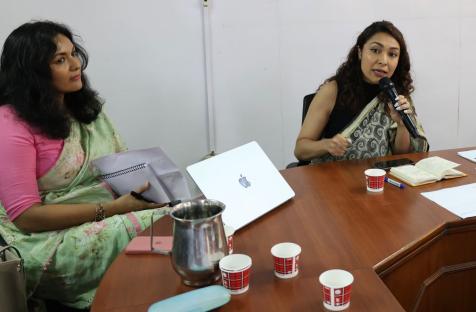
KATHMANDU: The Royal Norwegian Embassy in Kathmandu has said women’s political participation is essential to strengthening democracy and ensuring that decision-making reflects the people being represented.