November 2, 2020
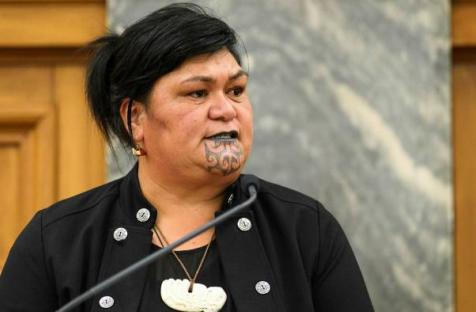
Jacinda Ardern appoints most diverse cabinet in New Zealand history
Prime minister appoints Maori as first woman foreign minister and offers Greens two posts.
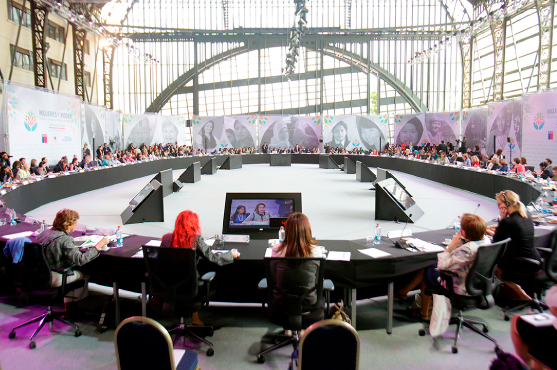
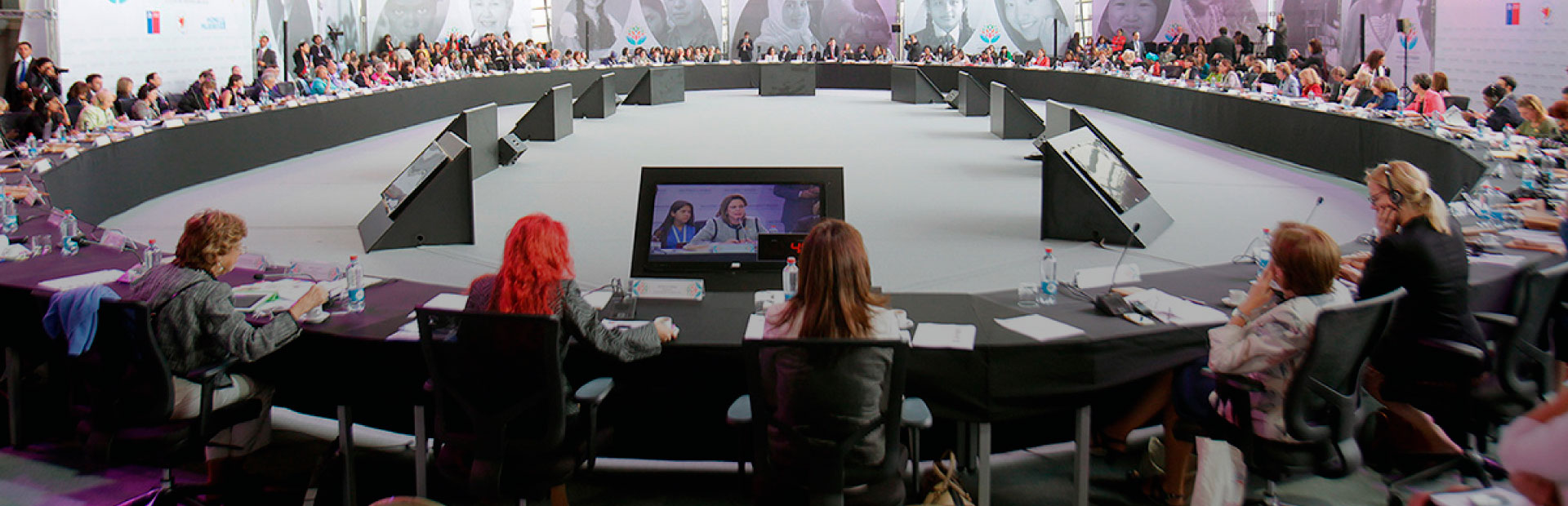
While there have been important advances in women’s leadership in politics, as of November 1 2017, women make up only 7.2% of Heads of State and 6.2% Heads of Government. Data on women representatives in local government, including as mayors, heads of villages and towns, is not well collected and analyzed. The adoption of an SDG indicator on women’s representation in local government is a great step forward in tracking progress on gender balance, allowing for the systematic collection and analysis of data on women in local government. Women’s access to and continued role in leadership positions is challenged by a range of barriers, including discriminatory laws and practices, as well as social norms that prescribe traditional roles and attitudes towards women’s participation in leadership and decision-making roles. Proactive gender-equality policies within political parties and local government structures, including quotas and special temporary measures, gender-sensitive approaches to electoral processes, support networks, mentoring, training, and engagement of male champions, can all help promote women’s role in political leadership.

Prime minister appoints Maori as first woman foreign minister and offers Greens two posts.
Our report, with U.S.-based National Democratic Institute (NDI), outlines a new framework for understanding how disinformation is being used online to exclude women from public life, in the first major study into this threat to democracy.

UNDP and Sweden support awareness-raising among first-time voters.

Given the rigid social structure, it is likely that women have little political agency in this State.
In a State where 53 per cent of women think that it is justifiable for a man to beat his wife, how much political agency does a woman have in Bihar?
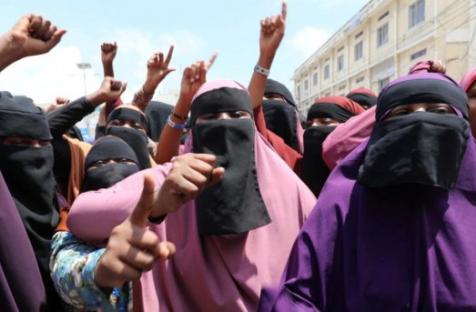
Women's rights groups, prominent businesswomen and female politicians in Somalia are urging the country's male-dominated parliament to pass a bill reserving 30 per cent of seats for women in next year's general election.
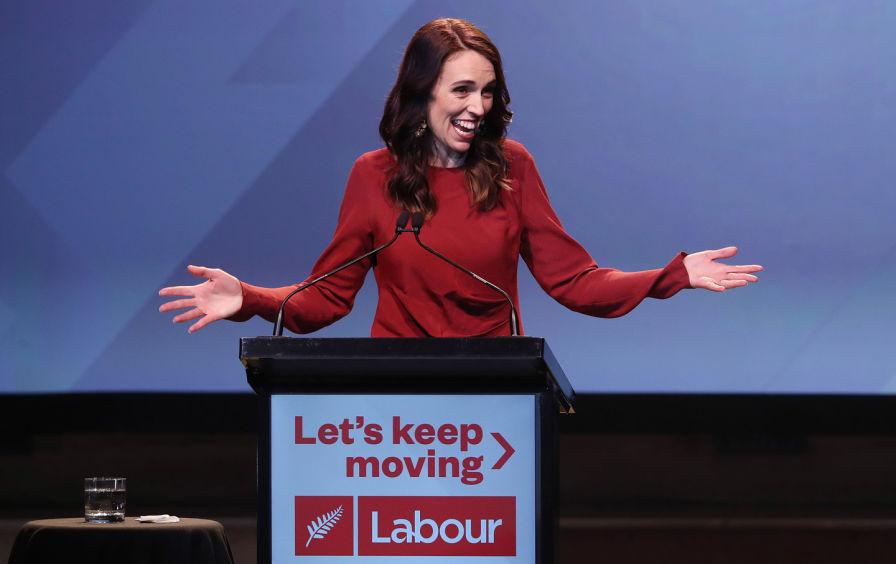
New Zealand Prime Minister Jacinda Ardern accepted her landslide reelection win Saturday with a message for her cou

The first woman to run for president of the United States was unable to vote, too young to be elected, ignored by her chosen running mate, and ultimate
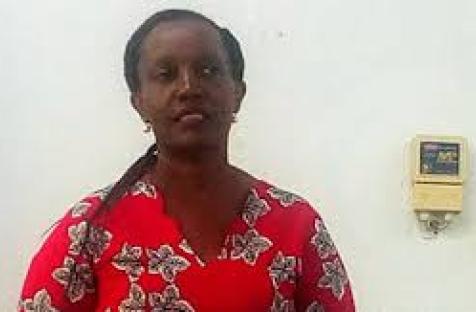
Traditional and religious leaders have been advised to take the leading role in ensuring that more women in their communities participate in the political process and leadership positions in Tanzania.

From plans to kidnap Gov. Gretchen Whitmer to Rep. Alexandria Ocasio-Cortez’s being called a “f—ing b—” by her colleague Rep.