September 29, 2025
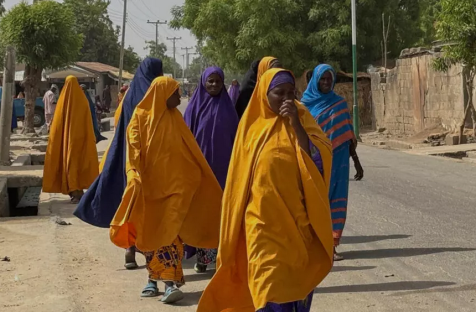
Hundreds of Nigerian women protest in push for more female MPs
For several years, Nigerian MPs have been blocking legislation aimed at better representation for women in politics.
While there have been important advances in women’s leadership in politics, as of November 1 2017, women make up only 7.2% of Heads of State and 6.2% Heads of Government. Data on women representatives in local government, including as mayors, heads of villages and towns, is not well collected and analyzed. The adoption of an SDG indicator on women’s representation in local government is a great step forward in tracking progress on gender balance, allowing for the systematic collection and analysis of data on women in local government. Women’s access to and continued role in leadership positions is challenged by a range of barriers, including discriminatory laws and practices, as well as social norms that prescribe traditional roles and attitudes towards women’s participation in leadership and decision-making roles. Proactive gender-equality policies within political parties and local government structures, including quotas and special temporary measures, gender-sensitive approaches to electoral processes, support networks, mentoring, training, and engagement of male champions, can all help promote women’s role in political leadership.

For several years, Nigerian MPs have been blocking legislation aimed at better representation for women in politics.
Weekend Reading on Women’s Representation is a compilation of stories about women’s representation in politics, on boards, in sports and e
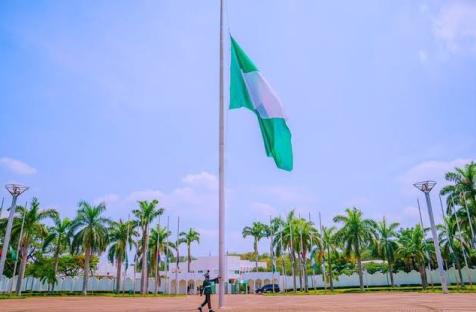
The immediate past Accountant General of the Federation, Dr Oluwatoyin Madein, has decried the under-representation of women in the country’s political space, saying that efforts must be intensified to address this imbalance.
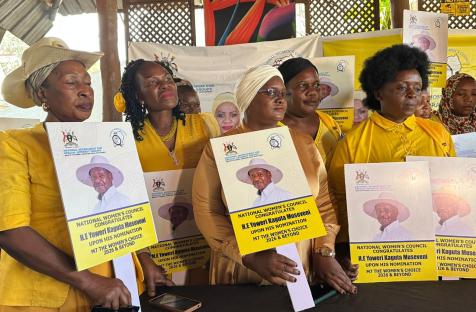
Women leaders under the National Women’s Council have appealed to all stakeholders in Uganda’s electoral process to champion peace and prevent acts of violence during and after the forthcoming elections.
Women face an uphill battle to political election, and they continue to confront barriers to success afterward. But the type of legislature in their states can make a difference.
Women face an uphill battle to political election, and they continue to confront barriers to success afterward. But the type of legislature in their states can make a difference.
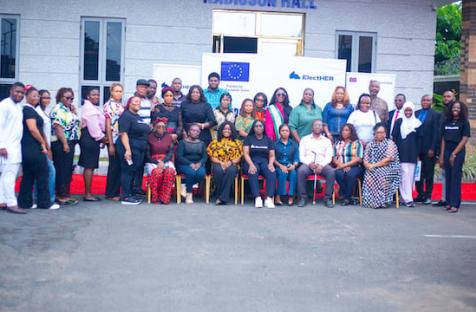
ElectHER, a pan-African non-partisan organisation advancing gender-inclusive democracy, has concluded a two-day engagement in Anambra State combining a multi-stakeholder
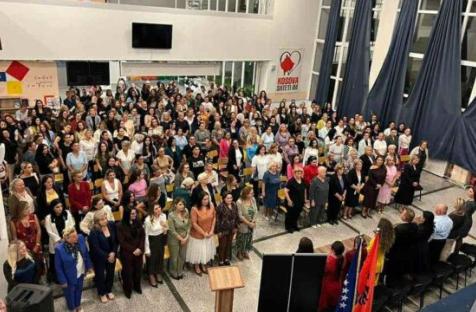
The Women's Forum of the LDK - Branch in Obiliq, held an electoral rally, it is announced through a press release sent to the media.

Deadline: 30-Sep-2025
The Women’s Peace and Humanitarian Fund (WPHF) has launched a new call for proposals to support local women’s and young women’s rights organizations in Mali.
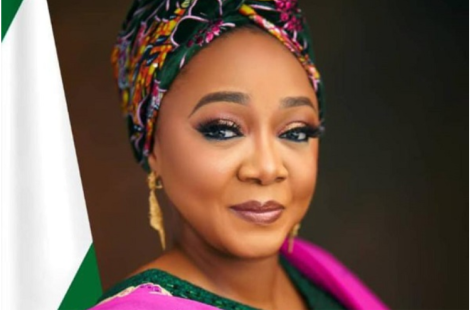
The ninth National Assembly of Nigeria squandered an unparalleled chance to promote equitable political representation and gender empowerment by rejecting landmark gender bills, including the Reserved Seats for Women Bill (HB 1349 & SB 440).