The story of Maria da Penha, the woman whose name was given to Brazil's domestic violence law
Source: Global Voices
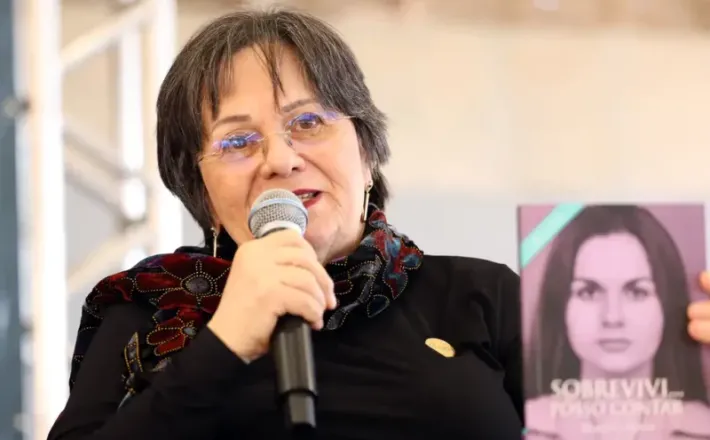
In 1983, Maria da Penha Maia Fernandes, a Brazilian biopharmacist, survived two homicide attempts at home. The first one left her paralyzed from the waist down after she was shot while she was asleep. In the second attempt, she was almost electrocuted in the shower.
In 1991, Penha saw the trial, which convicted her ex-husband of the attacks, being annulled. Five years later, a new trial found him guilty again, but he walked free. It took 19 years and six months, risking the statute of limitations to have him arrested. In 2006, her name became one of the best-known in Brazil when it became associated with a federal law that aims to protect women from domestic and family violence.
The path between the violent episodes that changed her life and the law that tries to avoid this type of crime was possible mainly due to international pressure, Penha acknowledges in a video conversation with Global Voices. In 2001, the Inter-American Commission on Human Rights (IACHR) convicted Brazil of negligence and omission in her case, and this led to the law’s creation.
Penha’s name is now also linked to police patrols and other public policies regarding gender violence in the country. A poll by the Brazilian Senate, from 2023, however, pointed out that three out of four Brazilian women know little or nothing at all about the law itself. It also showed that around 30 percent of women in Brazil have suffered domestic violence at the hands of a man.
Full article published here.

Hear from women leading change in the political space share their experiences and insights.

Explore a wide-range of audio-visual resources on key topics of gender equality.

Hear from a diverse list of panelists and guests as they reflect on critical issues pertaining Women in Politics.