We are happy to share that
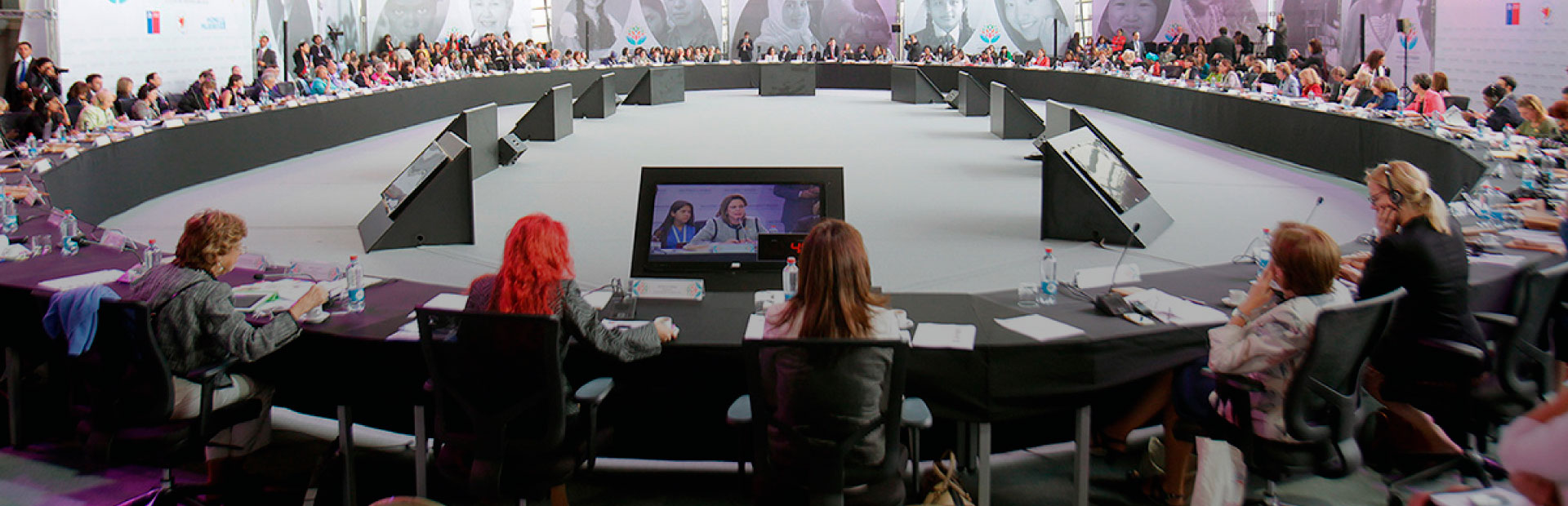
While there have been important advances in women’s leadership in politics, as of November 1 2017, women make up only 7.2% of Heads of State and 6.2% Heads of Government. Data on women representatives in local government, including as mayors, heads of villages and towns, is not well collected and analyzed. The adoption of an SDG indicator on women’s representation in local government is a great step forward in tracking progress on gender balance, allowing for the systematic collection and analysis of data on women in local government. Women’s access to and continued role in leadership positions is challenged by a range of barriers, including discriminatory laws and practices, as well as social norms that prescribe traditional roles and attitudes towards women’s participation in leadership and decision-making roles. Proactive gender-equality policies within political parties and local government structures, including quotas and special temporary measures, gender-sensitive approaches to electoral processes, support networks, mentoring, training, and engagement of male champions, can all help promote women’s role in political leadership.
We are happy to share that
Despite all the progress that has been made toward gender equality globally, many are still tempted to view armed conflict as primarily the domain of men.
For decades, African politics has been a domain dominated by men, with women often relegated to the sidelines of decision-making. But a growing number of countries how now experienced female leadership, including Liberia, Malawi and most recently Namibia.
Ulaanbaatar, May 22, 2025 /MONTSAME/.
Women bring different perspectives of cultures and conflict and when those voices are at the negotiating table a lasting peace is more likely, writes Maha Akeel.
Artificial intelligence (AI) is transforming our world—but when it reflects existing biases, it can reinforce discrimination against women and girls. From hiring decisions to healthcare diagnoses, AI systems can amplify gender inequalities when trained on biased data.
As we commemorate World Telecommunications and Information Society Day this year, with its theme of g
Naila Kabeer is a Professor Emerita in Gender and International Development at the Department of International Development, London School of Economics and Political Science.