"Backlash at the ballot: Why Bangladeshi women are being shut out of politics"
Source: Asia News Network
"Women are excluded because politics is hostile, and politics remains hostile because women are excluded."
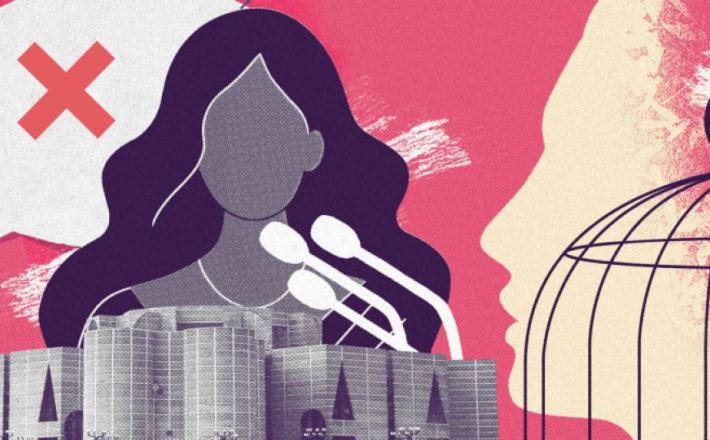
Bangladesh is not short of women in leadership, be it in business, government offices, or academia. It is short of women in electoral politics.
Over the past two decades, women’s presence across public life has expanded steadily and measurably. Girls now outnumber boys in secondary education. Maternal and child mortality have declined sharply. Women’s economic agency has grown through microfinance and the ready-made garment sector, both of which rely overwhelmingly on women’s labour. These gains were not incidental, but the result of sustained state policy, long-term NGO engagement, and deliberate investment in women as economic and social actors.
Women’s representation has also grown within the state itself. Bangladesh has 495 upazilas, and today roughly one-third of all upazila nirbahi officers are female. Women now serve across administrative tiers: as assistant commissioners, additional deputy commissioners, and senior field-level officials—roles that were overwhelmingly male a generation ago. This shift matters because it shows something crucial: when institutions are rules-based, women advance at scale. But when it comes to party politics and elections, the numbers collapse.

Hear from women leading change in the political space share their experiences and insights.

Explore a wide-range of audio-visual resources on key topics of gender equality.

Hear from a diverse list of panelists and guests as they reflect on critical issues pertaining Women in Politics.