Women's Leadership

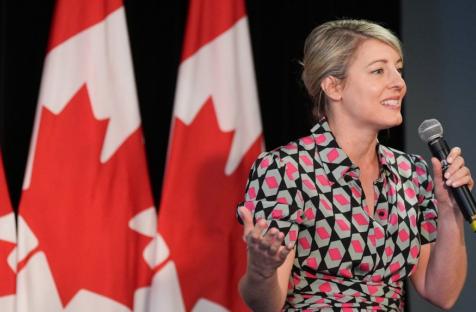
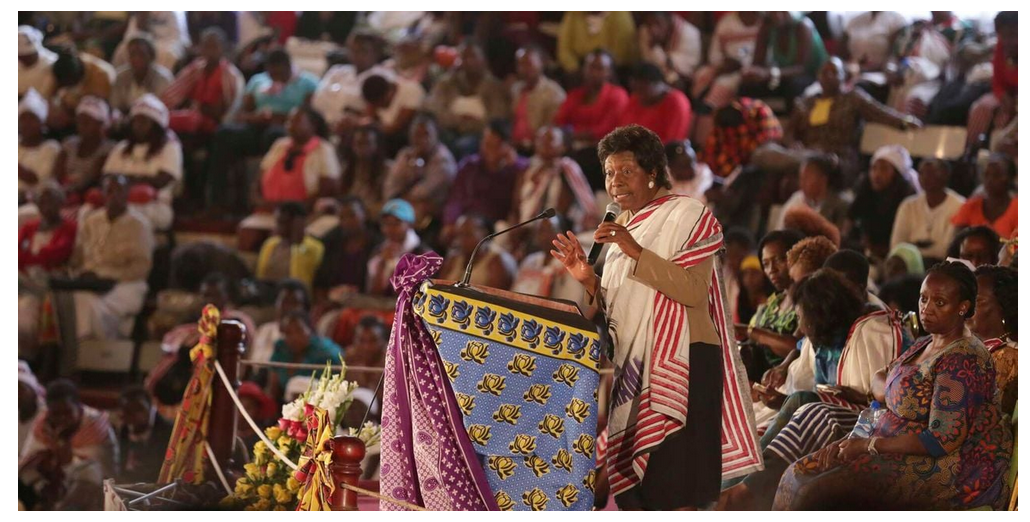
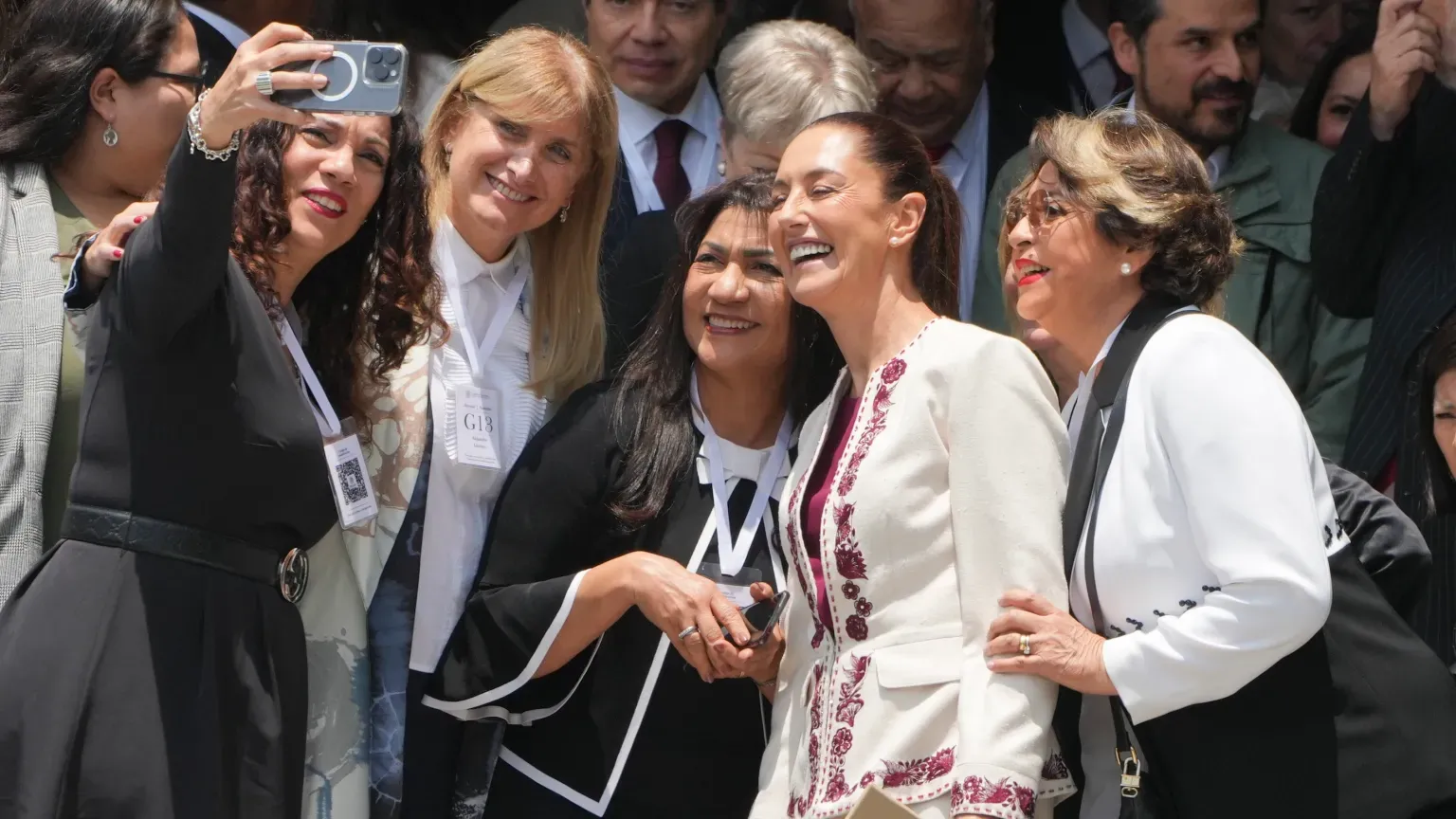
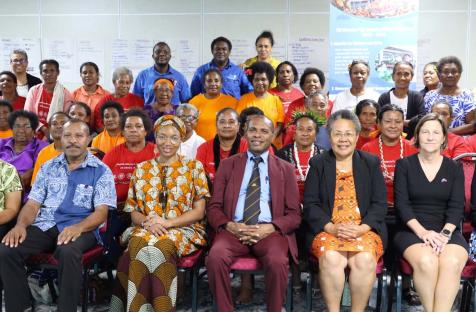
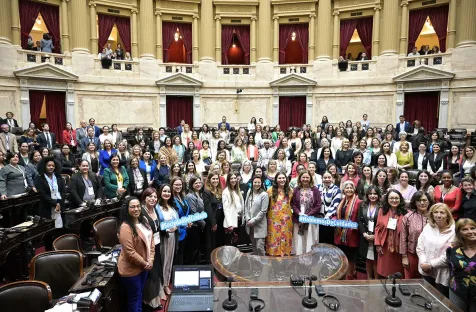
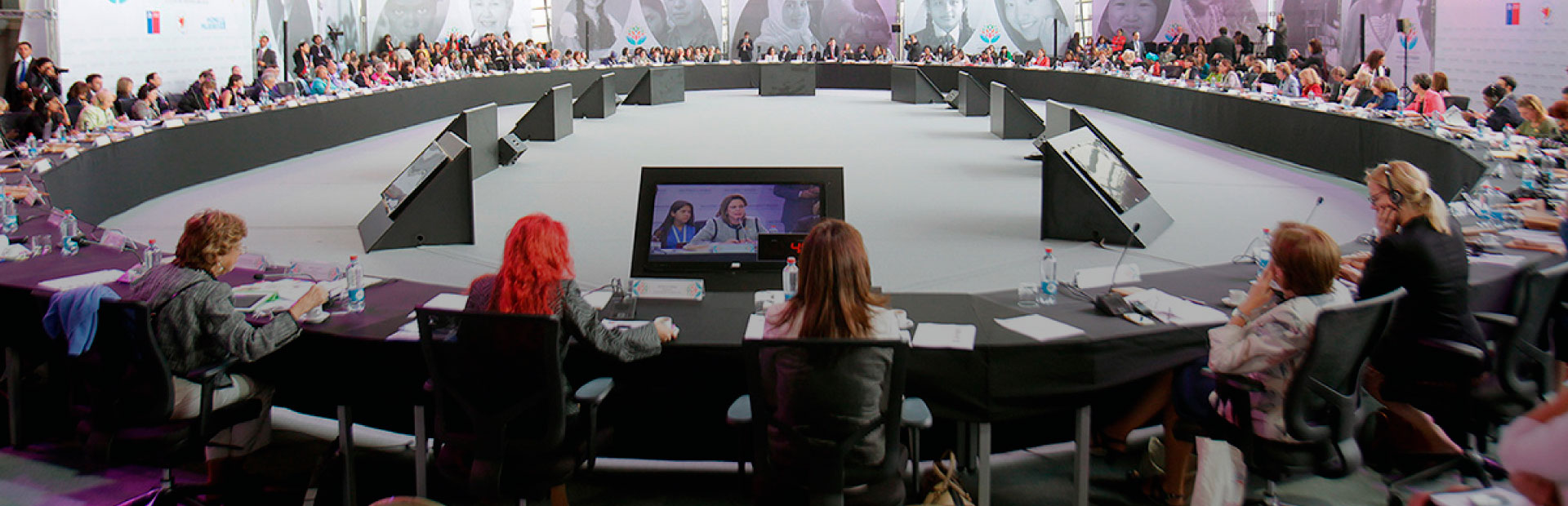
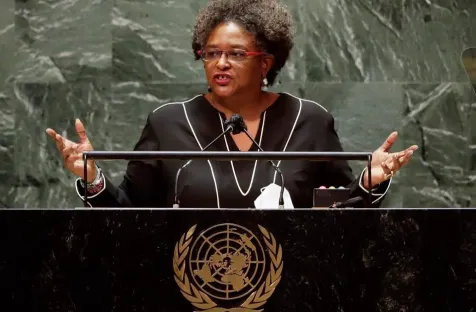
While there have been important advances in women’s leadership in politics, as of November 1 2017, women make up only 7.2% of Heads of State and 6.2% Heads of Government. Data on women representatives in local government, including as mayors, heads of villages and towns, is not well collected and analyzed. The adoption of an SDG indicator on women’s representation in local government is a great step forward in tracking progress on gender balance, allowing for the systematic collection and analysis of data on women in local government. Women’s access to and continued role in leadership positions is challenged by a range of barriers, including discriminatory laws and practices, as well as social norms that prescribe traditional roles and attitudes towards women’s participation in leadership and decision-making roles. Proactive gender-equality policies within political parties and local government structures, including quotas and special temporary measures, gender-sensitive approaches to electoral processes, support networks, mentoring, training, and engagement of male champions, can all help promote women’s role in political leadership. 

Show on Home Page
Yes
Image
Icon
Banner Image
Khmer Times
February 20, 2024
Cambodia’s journey to promoting gender equality

On 15 February 2024, an article titled “Why Cambodia needs to incorporate more women into its foreign policy process” was published on the Diplomat and has caught attention from various readers including the Ministry of Foreign Affairs and International Cooperation of

Source: Feminism in India
February 19, 2024
Underdogs take on authoritarians in ‘And So It Begins’ and ‘Igualada’

For standing up to the dangerous elements of today’s political reality—racial and socio-economic disparities and crackdowns on dissent, among them—both Robredo in the Philippines and Márquez in Colombia faced threats online and offline.

Source: BNN Breaking News
February 19, 2024
The evolution of women's political leadership: progress, challenges, and triumphs

Women's political leadership is evolving, with both progress and challenges. Inspiring figures like Angela Merkel and Jacinda Ardern have made strides, but achieving gender parity is still over a century away.

Source: League of Women Voters
February 16, 2024
League of Women Voters: Politics and ethical decisions

Ethical principles help us make positive and just decisions that contribute to the common good of all.

Source: The Georgetown Voice
February 14, 2024
Panel centers Black women on the political landscape

In a panel on Feb. 5, Black female scholars from across the country came together to explore the power of Black women in American politics and their nuanced role as actors in the current political climate.

Source: Nikkei Asia
February 13, 2024
Bangladesh, a bastion of female empowerment, lags on democracy

TOKYO -- Two strong, prominent female leaders have found themselves facing very different political futures in neighboring countries on the Bay of Bengal.

Source: Arab Reform Initiative
February 9, 2024
Women’s Political Participation

The Women's Political Participation Program is committed to reshaping the narrative and reality of women's political engagement in the Arab region.

Source: The Japan Times
February 6, 2024
Japan's youngest female city mayor is focused on women's empowerment

In a sector where women are rarely seen at the forefront, 33-year-old Shoko Kawata made history by becoming Japan's youngest female city mayor when she was elected in Yawata, southern Kyoto Prefecture last year.

Hitting the glass ceiling: women and politics in China

Back
February 6, 2024

Hitting the glass ceiling: women and politics in China

Countries all throughout the world struggle with providing equal opportunities and positions in regards to women when compared to their male counterparts (Brennan & Elkink, 2015). The People’s Republic of China is not an exception to this trend.

Countries all throughout the world struggle with providing equal opportunities and positions in regards to women when compared to their male counterparts (Brennan & Elkink, 2015). The People’s Republic of China is not an exception to this trend.