July 16, 2024
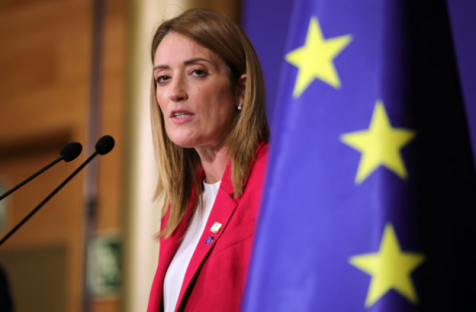
Roberta Metsola reelected European Parliament president
STRASBOURG — Roberta Metsola has been reelected as president of the European Parliament.
While there have been important advances in women’s leadership in politics, as of November 1 2017, women make up only 7.2% of Heads of State and 6.2% Heads of Government. Data on women representatives in local government, including as mayors, heads of villages and towns, is not well collected and analyzed. The adoption of an SDG indicator on women’s representation in local government is a great step forward in tracking progress on gender balance, allowing for the systematic collection and analysis of data on women in local government. Women’s access to and continued role in leadership positions is challenged by a range of barriers, including discriminatory laws and practices, as well as social norms that prescribe traditional roles and attitudes towards women’s participation in leadership and decision-making roles. Proactive gender-equality policies within political parties and local government structures, including quotas and special temporary measures, gender-sensitive approaches to electoral processes, support networks, mentoring, training, and engagement of male champions, can all help promote women’s role in political leadership.

STRASBOURG — Roberta Metsola has been reelected as president of the European Parliament.
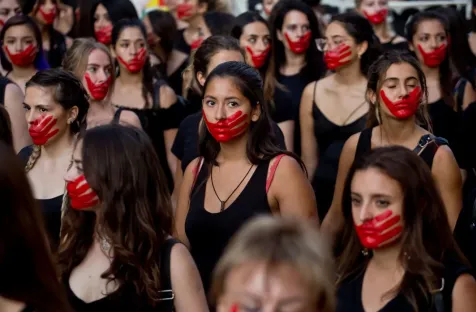
Despite progress in codifying women’s rights into law, advances in gender equality around the world have been halting, at best.
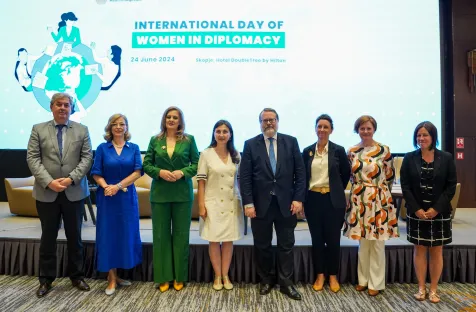
Skopje, North Macedonia, 24 June 2024 – UN Women in North Macedonia, for a second consecutive year in partnership with the Ministry of Foreign Affairs, marked the International Day of Women in Diplomacy with a high-level panel discussion highlighting th
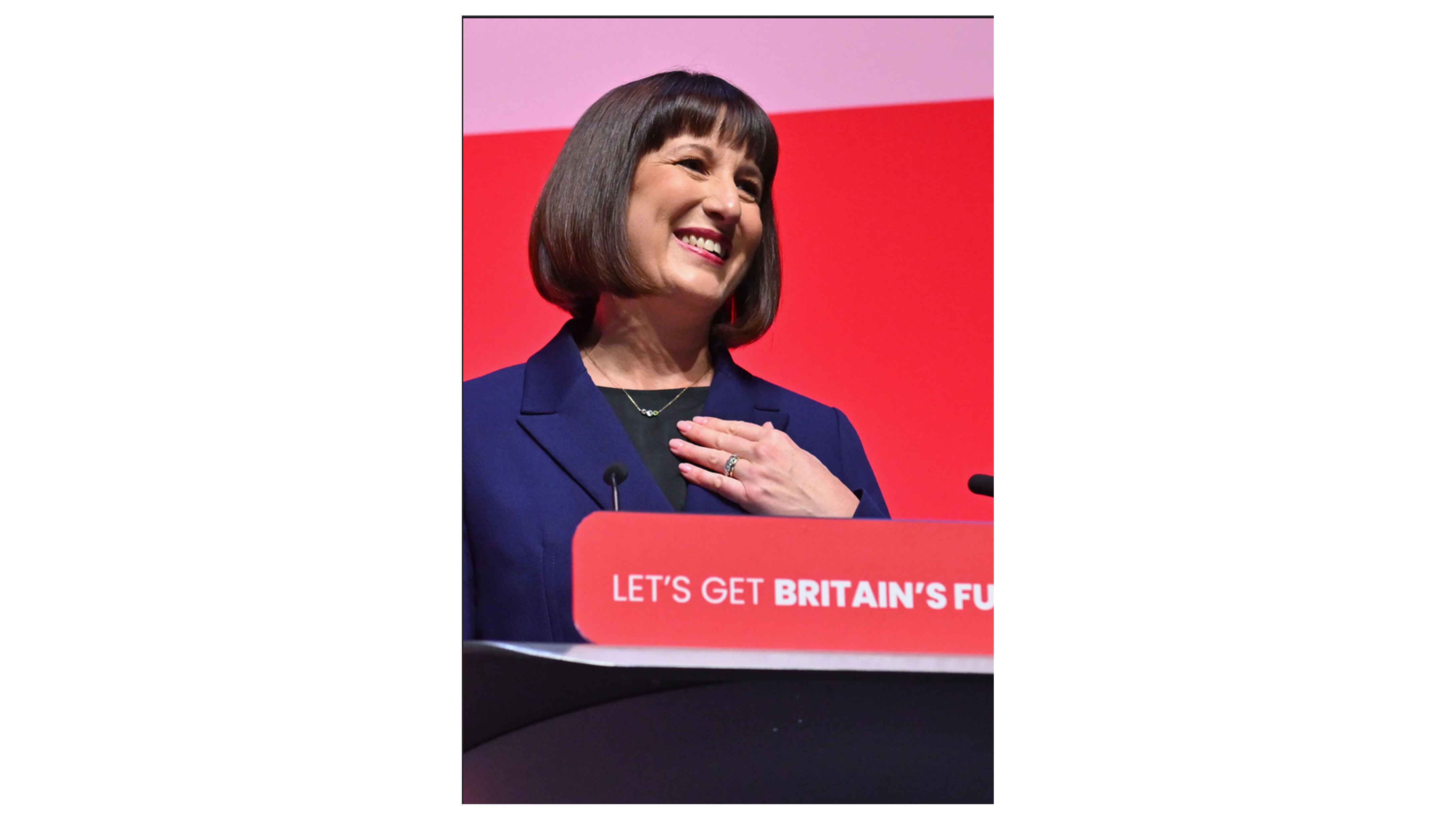
Another election, another round of politicians who tout the same ideas, speak the same way, wear the same suits and, possibly, the same aftershave.
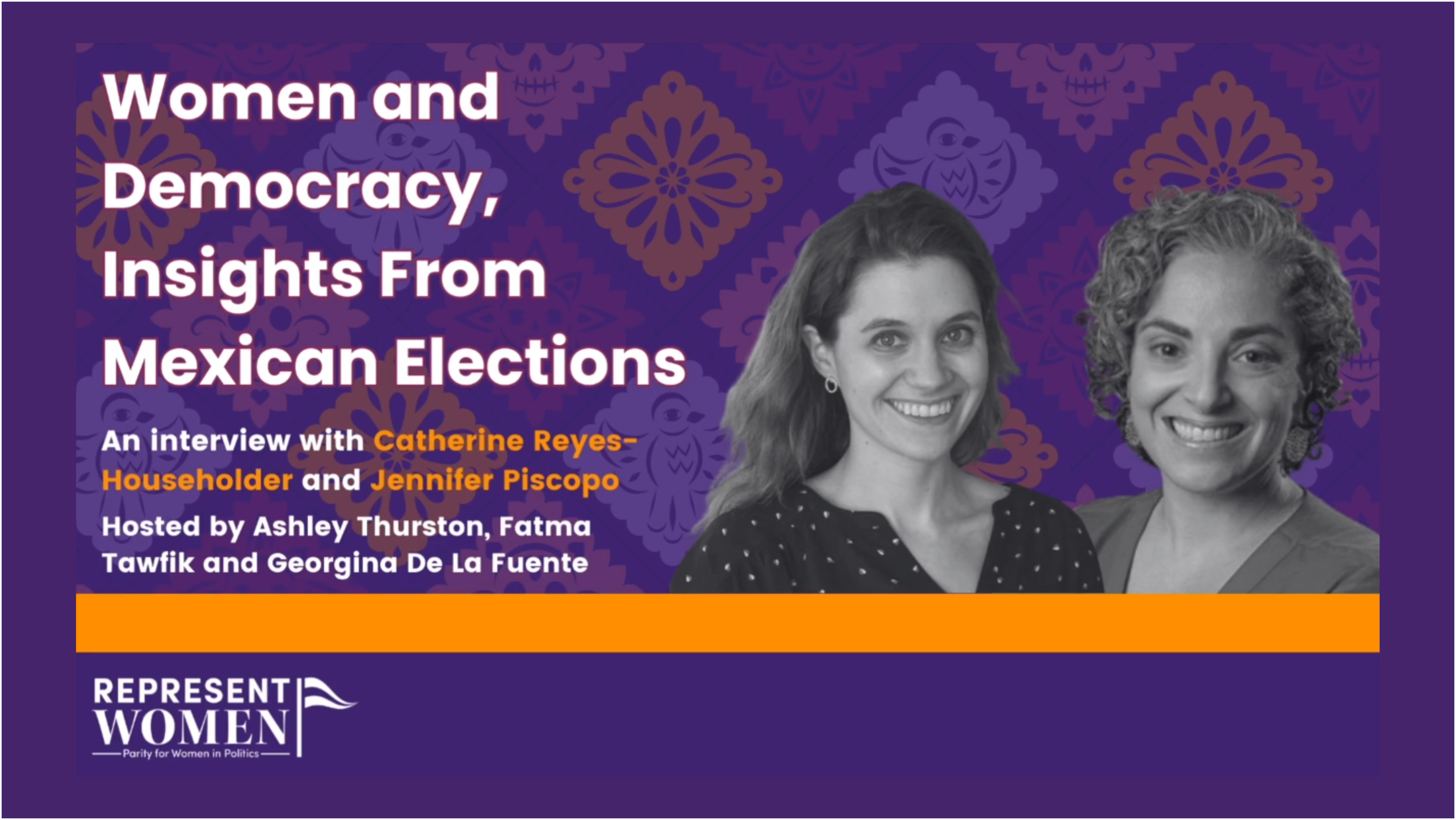
Welcome to the first installment of the new "International Election Series," where they explore the vital role women play in shaping democratic processes around the world.
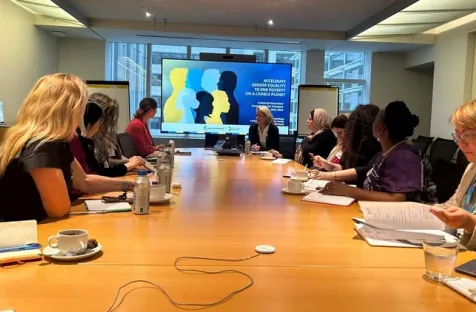
The Friedrich Naumann Foundation’s Washington, D.C. office hosted a distinguished international delegation of twelve female professionals working in politics, from May 4th – May 11th, 2024 in Washington, D.C., and Denver, Colorado.

This year, countries accounting for nearly half of the world’s population are holding national elections.

India, the world’s largest democracy, has made significant strides in women’s political participation since its independence in 1947. However, a substantial gender gap persists in Indian politics, reflecting deeper societal inequalities and cultural barriers.
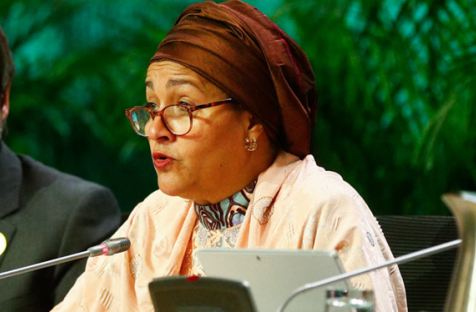
A lack of women at decision-making tables around the world is hindering progress when it comes to tackling conflicts or improving health and standard of living, the highest ranking woman in the UN has said.