Women's Leadership
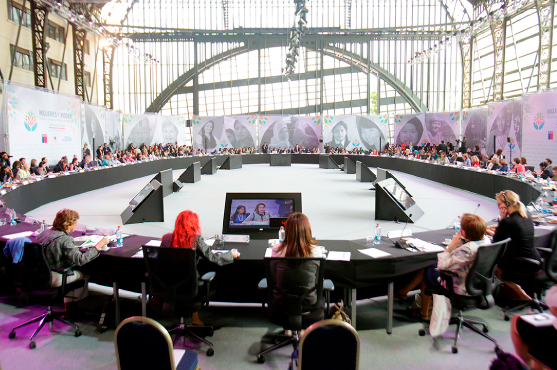
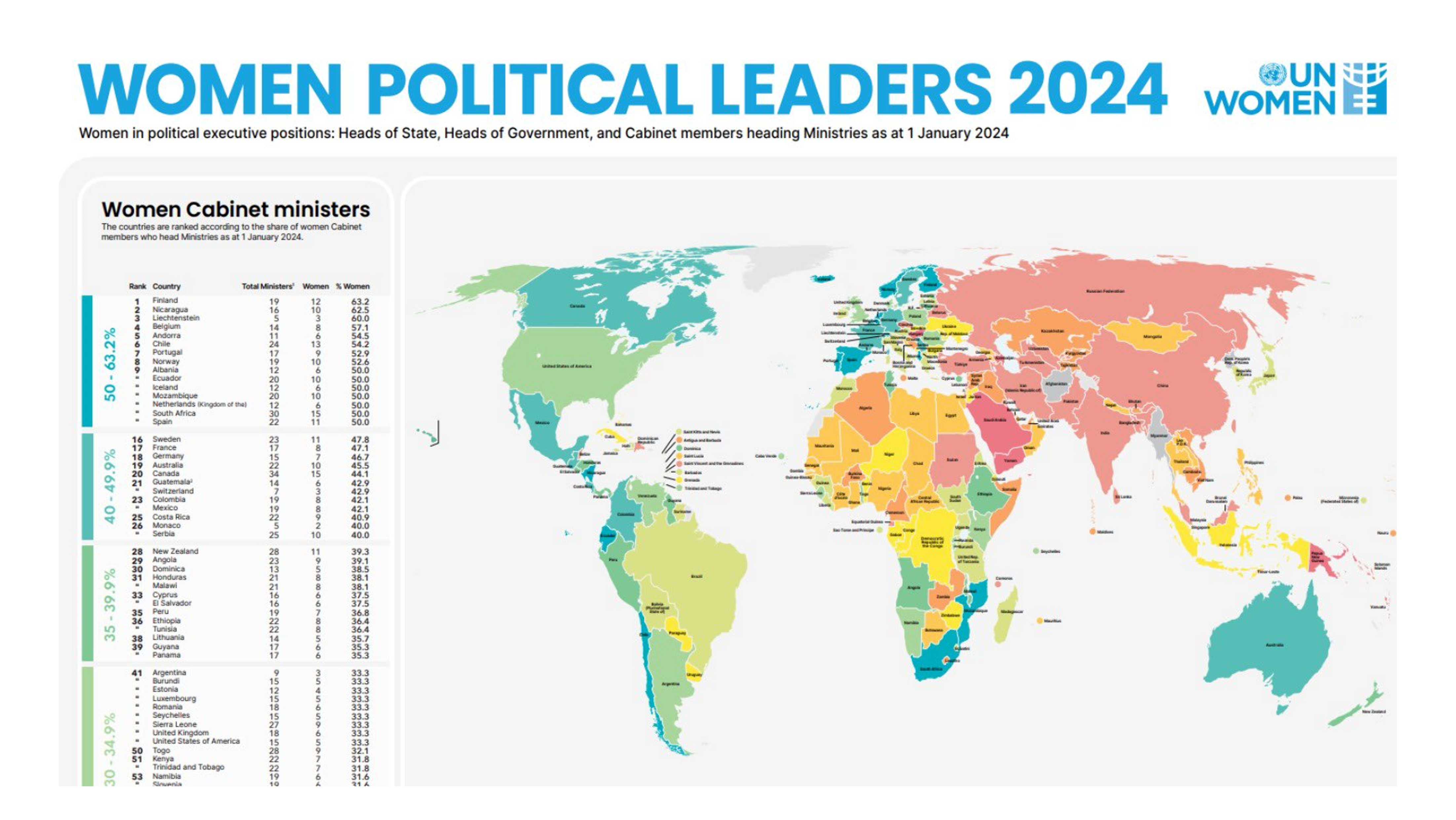
While there have been important advances in women’s leadership in politics, as of November 1 2017, women make up only 7.2% of Heads of State and 6.2% Heads of Government. Data on women representatives in local government, including as mayors, heads of villages and towns, is not well collected and analyzed. The adoption of an SDG indicator on women’s representation in local government is a great step forward in tracking progress on gender balance, allowing for the systematic collection and analysis of data on women in local government. Women’s access to and continued role in leadership positions is challenged by a range of barriers, including discriminatory laws and practices, as well as social norms that prescribe traditional roles and attitudes towards women’s participation in leadership and decision-making roles. Proactive gender-equality policies within political parties and local government structures, including quotas and special temporary measures, gender-sensitive approaches to electoral processes, support networks, mentoring, training, and engagement of male champions, can all help promote women’s role in political leadership.
Show on Home Page
Yes
Image
Icon

Banner Image
Women in Indian Politics: A story that has changed little over the years
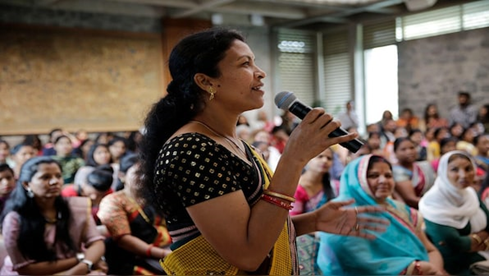
India recently concluded its 2024 general elections, which took place in seven phases—from April 19 to June 1—to elect all 543 members of the Lok Sabha (lower house).

Global Gender Gap Report 2024
The Global Gender Gap Index annually benchmarks the current state and evolution of gender parity across four key dimensions (Economic Participation and Opportunity, Educational Attainment, Health and Survival, and Political Empowerment).
May 30, 2024
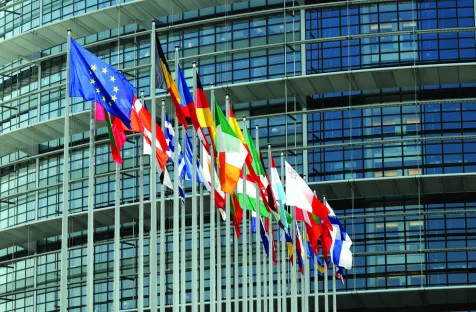
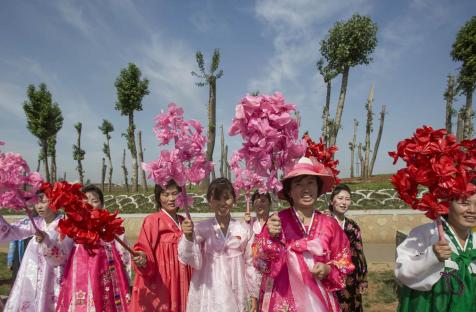
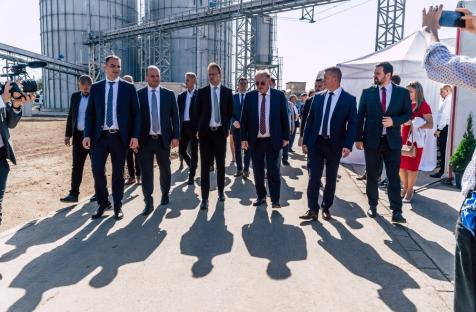
Women in politics are progressing in the EU, in Hungary they are not
In the last five-year term, both the proportion of women in the European Parliament and in relevant positions in European institutions have improved significantly.
May 27, 2024
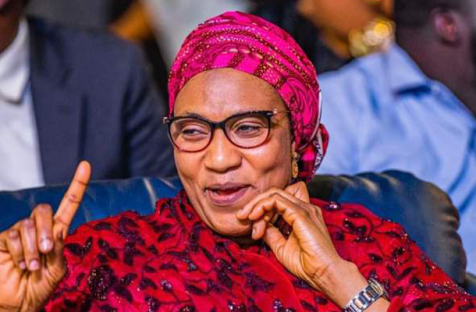
Shettima praises Nigerian women for enduring political marginalisation
Nana Shettima, wife of Vice-President Kashim Shettima and other stakeholders, says political equity and women’s empowerment are crucial to sustainable development in Nigeria.
May 27, 2024
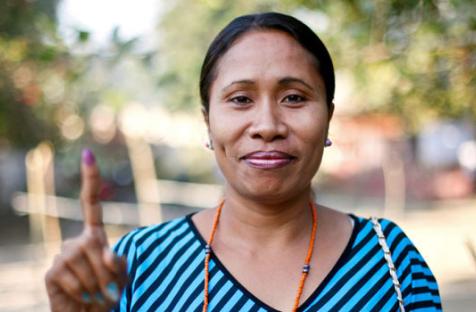
Women’s leadership and political participation
From the local to the global level, women’s leadership and political participation are restricted. Women are underrepresented as voters, as well as in leading positions, whether in elected office, the civil service, the private sector or academia.