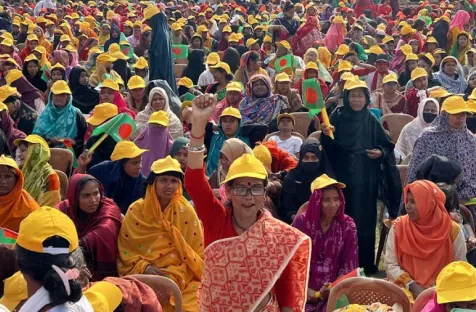
CHENNAI: Indian parliament has finally passed the historic women's reservation bill or to call it by its proper name Naari Shakti Vandan Adhiniyam.
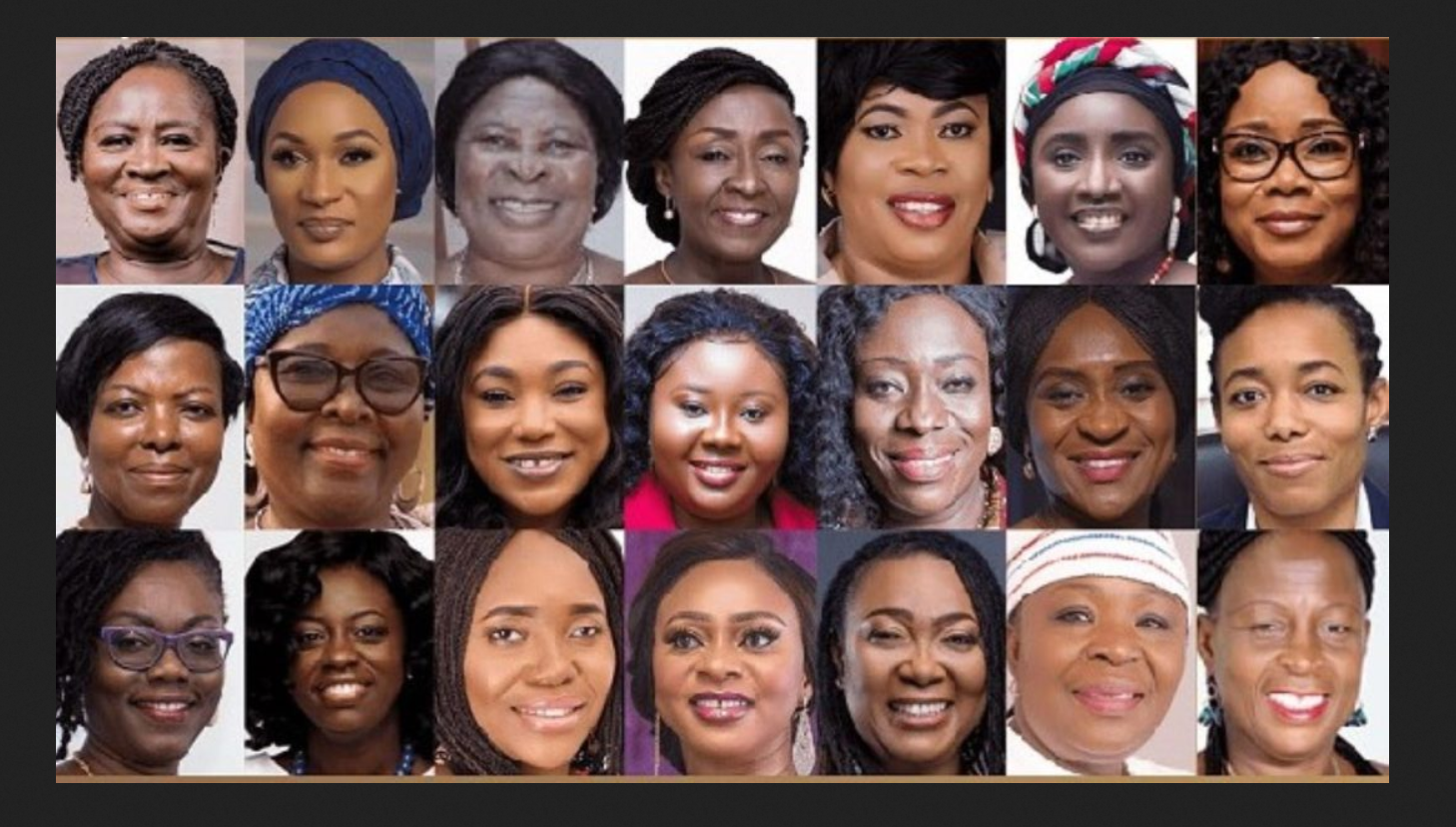
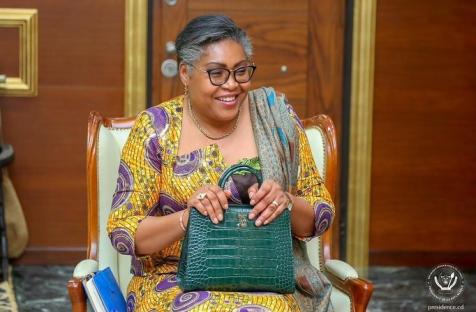
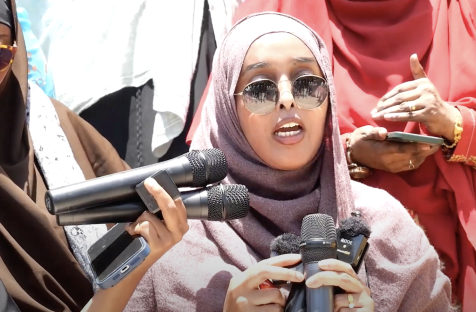
While there have been important advances in women’s leadership in politics, as of November 1 2017, women make up only 7.2% of Heads of State and 6.2% Heads of Government. Data on women representatives in local government, including as mayors, heads of villages and towns, is not well collected and analyzed. The adoption of an SDG indicator on women’s representation in local government is a great step forward in tracking progress on gender balance, allowing for the systematic collection and analysis of data on women in local government. Women’s access to and continued role in leadership positions is challenged by a range of barriers, including discriminatory laws and practices, as well as social norms that prescribe traditional roles and attitudes towards women’s participation in leadership and decision-making roles. Proactive gender-equality policies within political parties and local government structures, including quotas and special temporary measures, gender-sensitive approaches to electoral processes, support networks, mentoring, training, and engagement of male champions, can all help promote women’s role in political leadership.
CHENNAI: Indian parliament has finally passed the historic women's reservation bill or to call it by its proper name Naari Shakti Vandan Adhiniyam.
PETALING JAYA: The statistics department reported better gender equality overall in 2022, but noted a clear challenge faced in women’s political empowerment, which remains alarmingly low.
In a live event discussing the impact of women’s power, or Nari Shakti, in politics, female representatives from various political parties, including Sunita Duggal, Amee Yajnik, Priyanka Chaturvedi, and Sushmita Dev, express their perspectives on the changing political
IT’S the responsibility of political parties to ensure that more women take part in local and national elections, says Assistant Foreign Minister and Deputy Speaker Lenora Qereqeretabua.
Abstract: While the passage of the 2018 Gender Parity Law was a step in the right direction, progress on women’s political empowerment in Japan has been slow.
Today, I’d like to reflect on why Southeast Asia stands out in the global history of gender, for pioneering female political and spiritual leadership; how job-creating economic growth, urbanisation and universities are the major contemporary drivers of gender equality;
A noteworthy trend is emerging in Indian democracy, where women are choosing to participate in the electoral process. As the percentage of women voters rises across India, it is yet to be seen how future elections will be impacted.
Belfast, Northern Ireland – Northern Irish academic and activist Monica McWilliams says it has taken 25 years for
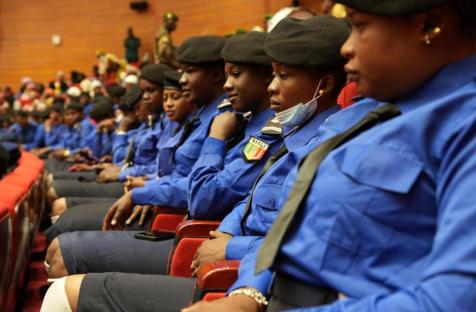
Governance in Africa is undergoing an upheaval – the kind that is people-driven, and more recently and unfortunately, army driven