Beyond numbers: Redefining women's leadership dynamics

Pursuing gender equality remains a significant challenge in the 21st century.
While there have been important advances in women’s leadership in politics, as of November 1 2017, women make up only 7.2% of Heads of State and 6.2% Heads of Government. Data on women representatives in local government, including as mayors, heads of villages and towns, is not well collected and analyzed. The adoption of an SDG indicator on women’s representation in local government is a great step forward in tracking progress on gender balance, allowing for the systematic collection and analysis of data on women in local government. Women’s access to and continued role in leadership positions is challenged by a range of barriers, including discriminatory laws and practices, as well as social norms that prescribe traditional roles and attitudes towards women’s participation in leadership and decision-making roles. Proactive gender-equality policies within political parties and local government structures, including quotas and special temporary measures, gender-sensitive approaches to electoral processes, support networks, mentoring, training, and engagement of male champions, can all help promote women’s role in political leadership.
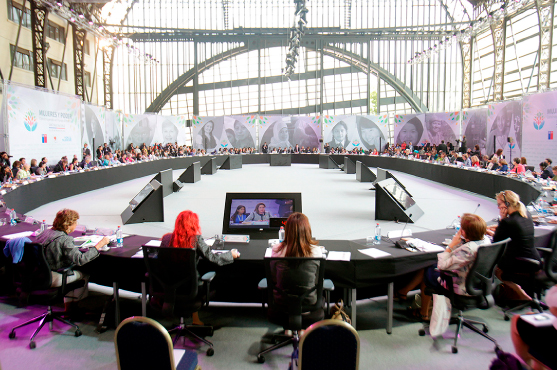

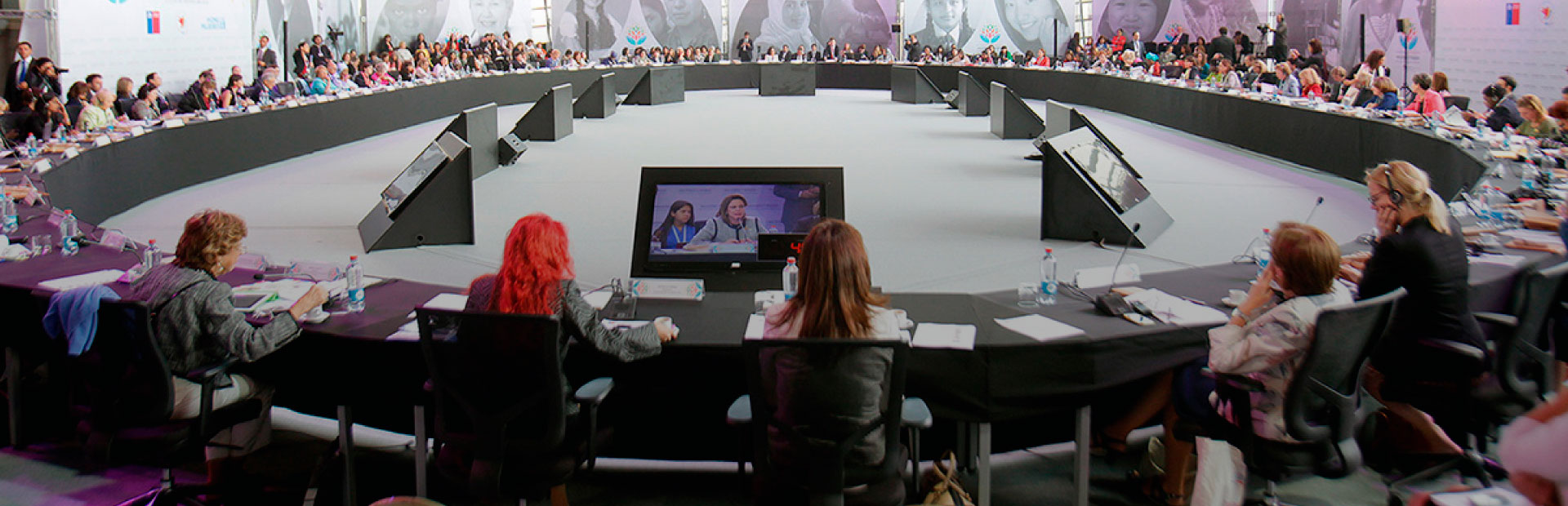
Pursuing gender equality remains a significant challenge in the 21st century.

Balancing family obligations and public service is a persistent challenge for working mothers in America’s political system, family advocates told the 2024 National Press Foundation Women in Politics Fellowship.

In a webinar hosted by Grassroots for Europe, leading female activists and politicians discussed the critical role of women in defending democracy aga

Colorado has consistently ranked highly for the number of women holding elected office for the last few decades. Colorado currently ranks second in the nation for the number of women elected to the state legislature.
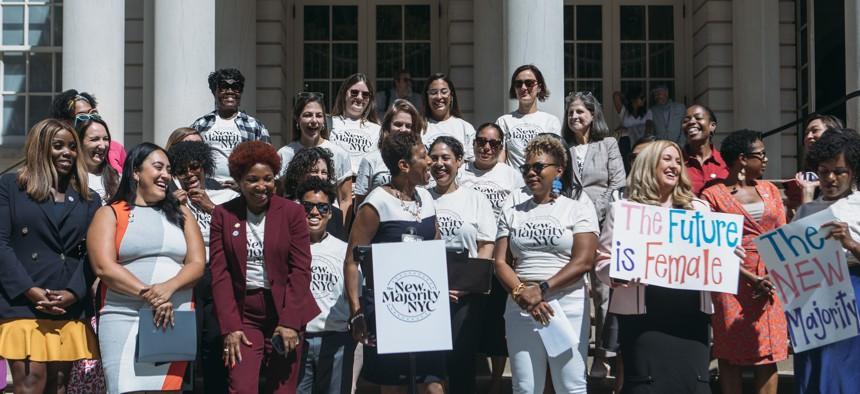
Despite their increasing visibility, women in government must still contend with gendered biases about the ways in which they choose to present themselves.

Tracking the number of women in elective office represents only one measure of political power, two Rutgers University researchers told the 2024 National Press Foundation Women in Politics Fellowship.

Last year, we have worked with students of journalism and their assistant professor Jovana Davidović on combating sexist hate speech, sexism and misogyny.
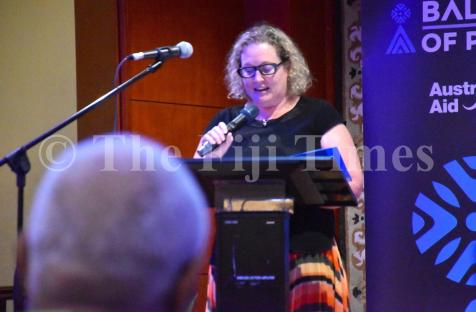
Less than 7 per cent of Pacific politicians are women, compared with 27 per cent globally.

Breaking the Glass Ceiling: Africa’s Stride Towards Gender Equality in Governance