September 8, 2022
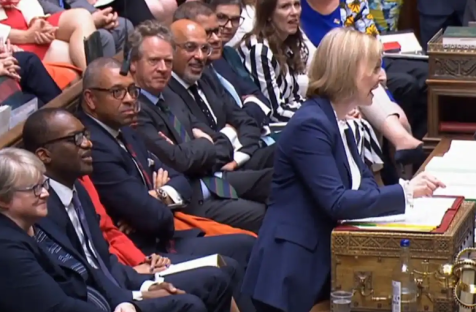
Liz Truss praised for diverse cabinet
First black chancellor of the exchequer among prime minister’s appointees.
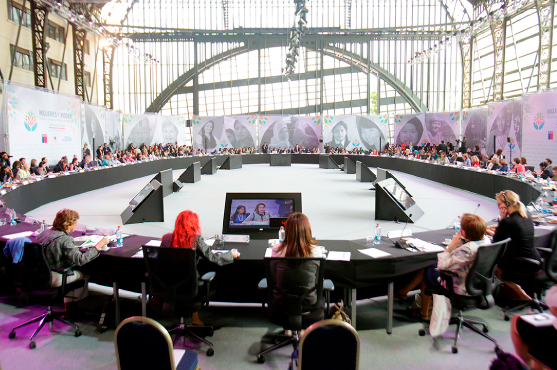
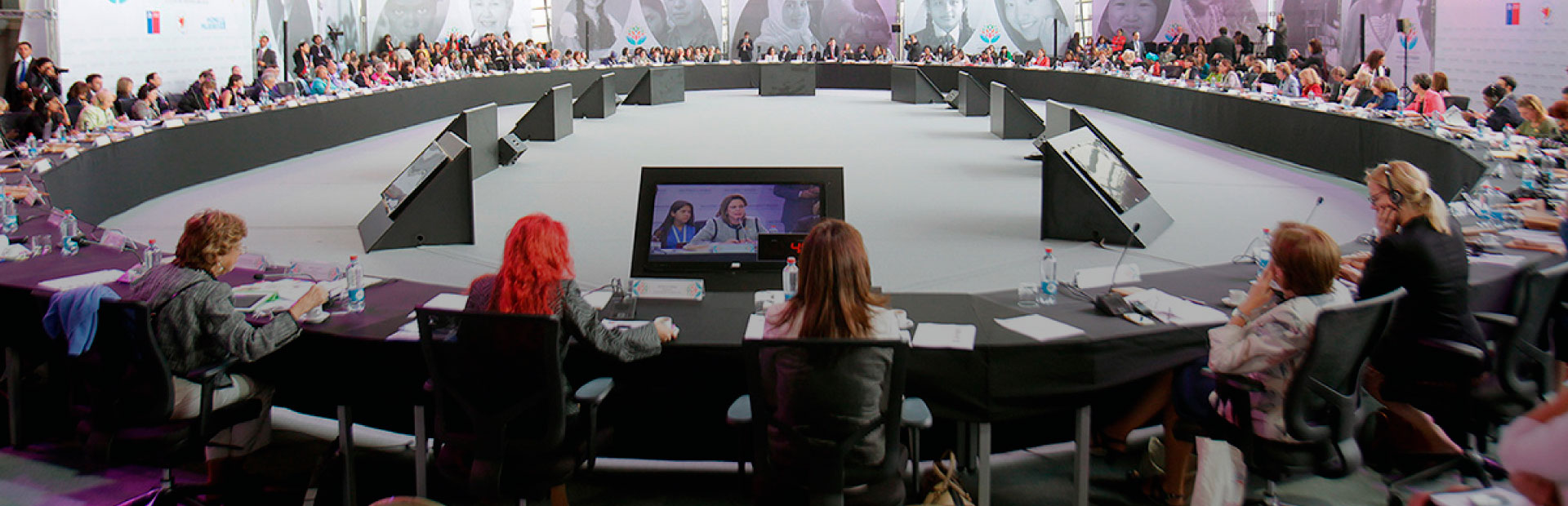
While there have been important advances in women’s leadership in politics, as of November 1 2017, women make up only 7.2% of Heads of State and 6.2% Heads of Government. Data on women representatives in local government, including as mayors, heads of villages and towns, is not well collected and analyzed. The adoption of an SDG indicator on women’s representation in local government is a great step forward in tracking progress on gender balance, allowing for the systematic collection and analysis of data on women in local government. Women’s access to and continued role in leadership positions is challenged by a range of barriers, including discriminatory laws and practices, as well as social norms that prescribe traditional roles and attitudes towards women’s participation in leadership and decision-making roles. Proactive gender-equality policies within political parties and local government structures, including quotas and special temporary measures, gender-sensitive approaches to electoral processes, support networks, mentoring, training, and engagement of male champions, can all help promote women’s role in political leadership.

First black chancellor of the exchequer among prime minister’s appointees.
Background
“The press was as kind as it knew how to be. It meant well and did all for us it knew how to do. We couldn't ask it to do more than it knew how.” [Laughter] — Susan B. Anthony, 1893
Background
“The press was as kind as it knew how to be. It meant well and did all for us it knew how to do. We couldn't ask it to do more than it knew how.” [Laughter] — Susan B. Anthony, 1893
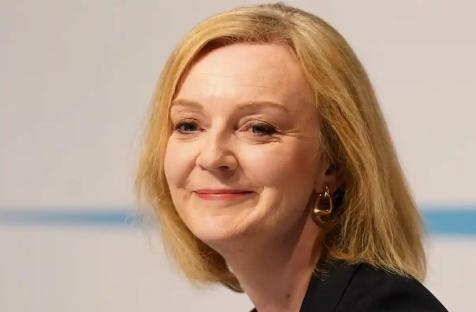
Liz Truss will become Britain’s next prime minister after winning a resounding victory over Rishi Sunak in the bitterly fought Conservative leadership contest.
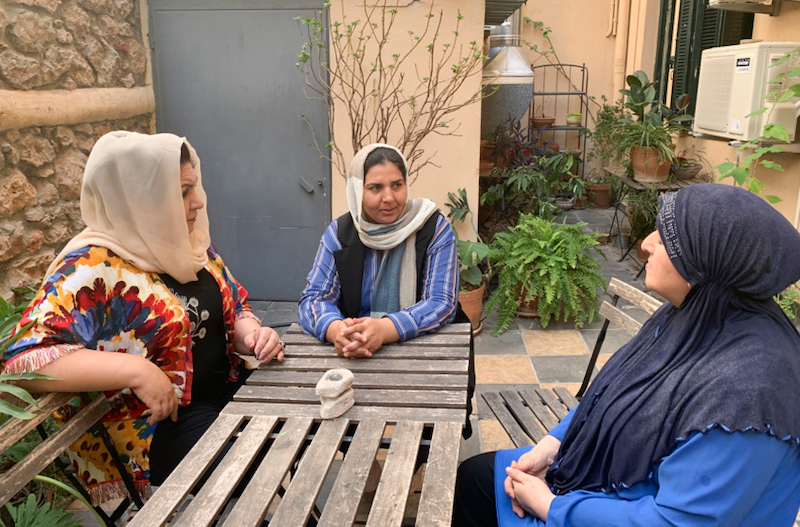
Para las afganas exiliadas, huir de los talibanes no significa capitular, sino resistir, y bajo este pretexto se dedican a ayudar constantemente con la reciente fundación de la Red de Mujeres Parlamentarias y Líderes Afganas (AWPLN por sus siglas
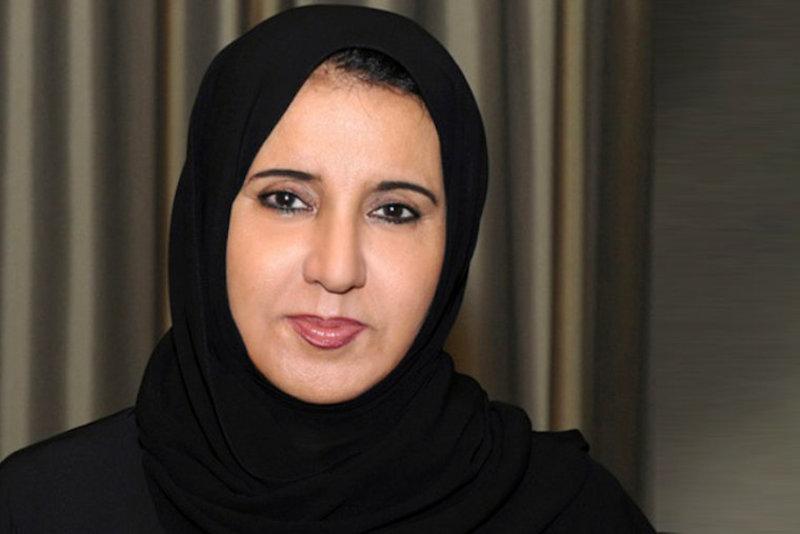
Who run the world? Emirati Women and all women.
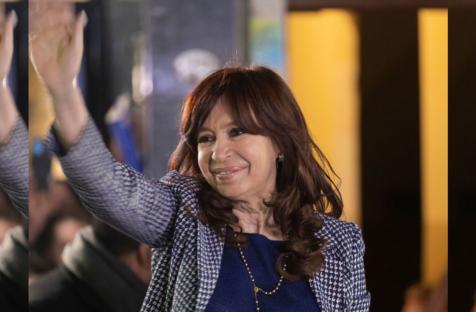
Fernández de Kirchner was greeting supporters outside her home when a Brazilian man approached her and raised a handgun to her face
On 21-22 August, women leaders, politicians and civil servants from all provinces of Kyrgyzstan gathered at the second National Forum Women's Leadership – A Breakthrough into a New Era.
About Women in Political Participation Project
