Kenya: The new dawn of women in politics

The Kenyan 2022 General Elections represents a great step forward for women’s representation, albeit an incremental one.
While there have been important advances in women’s leadership in politics, as of November 1 2017, women make up only 7.2% of Heads of State and 6.2% Heads of Government. Data on women representatives in local government, including as mayors, heads of villages and towns, is not well collected and analyzed. The adoption of an SDG indicator on women’s representation in local government is a great step forward in tracking progress on gender balance, allowing for the systematic collection and analysis of data on women in local government. Women’s access to and continued role in leadership positions is challenged by a range of barriers, including discriminatory laws and practices, as well as social norms that prescribe traditional roles and attitudes towards women’s participation in leadership and decision-making roles. Proactive gender-equality policies within political parties and local government structures, including quotas and special temporary measures, gender-sensitive approaches to electoral processes, support networks, mentoring, training, and engagement of male champions, can all help promote women’s role in political leadership.
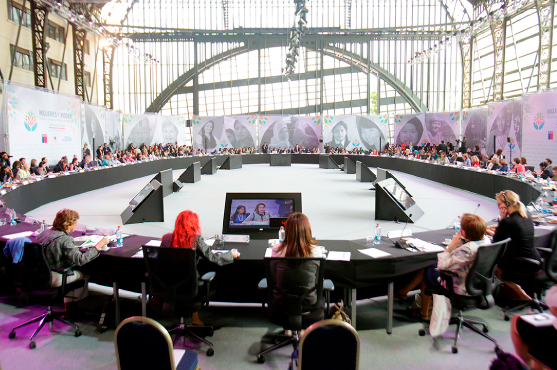

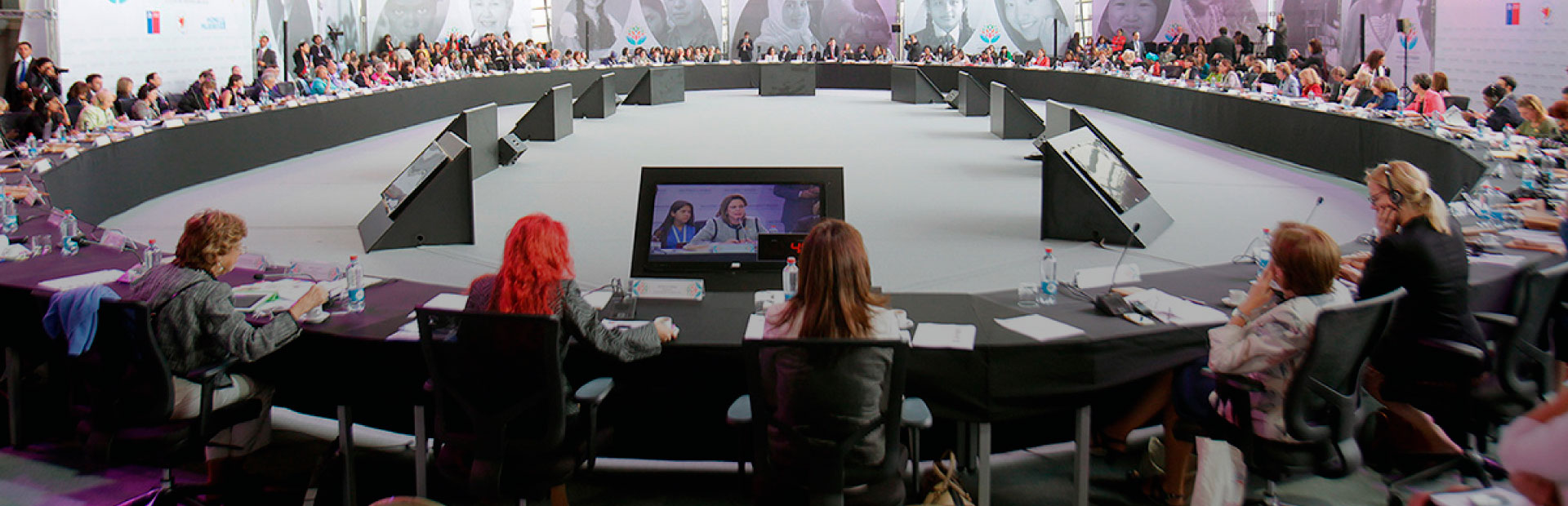
The Kenyan 2022 General Elections represents a great step forward for women’s representation, albeit an incremental one.
Some journalists have been sharing emails detailing disturbing threats.

SALT LAKE CITY — Women on the internet are posting videos of themselves dancing, singing and partying as a political statement.
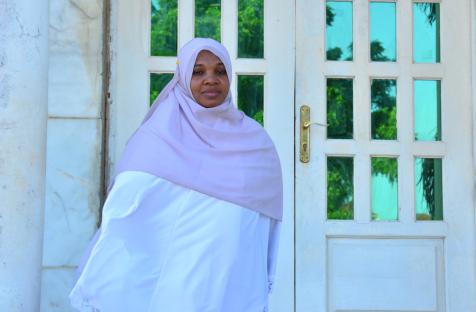
Just a few years before she was elected as a Member of the Zanzibar House of Representatives (ZHoR), Zawadi Amour Nassor didn’t have political aspirations, but life had bigger plans for her.
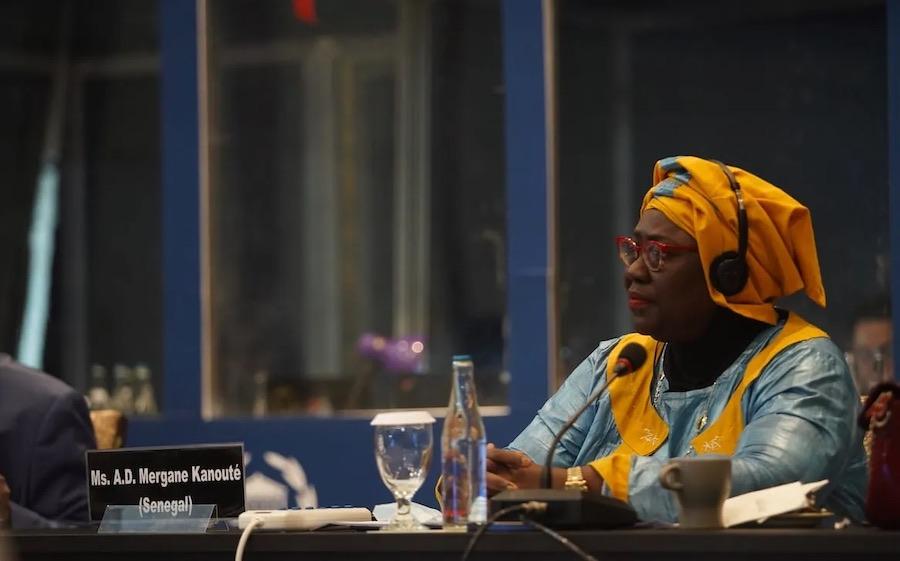
LAGOS — A mere 17 women were appointed or elected to parliaments, ministerial or electoral offices in the West Africa/Sahel region out of 134 available positions from December 2021 to June 2022.

Monrovia — The 54th Session of the National Legislature has an enormous opportunity to represent the interests of Liberian women and advance Liberia’s record of women’s leadership in Africa and globally through the passage of a mandatory gender quota in the New
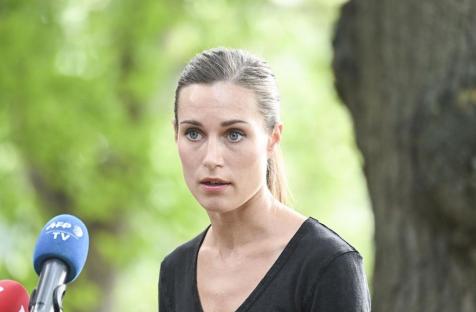
The women of Finland are backing their prime minister, Sanna Marin, by posting videos and memes of themselves on social media showing them dancing and having a good time, accompanied with #solidaritywithsan

This article is the second in a two-part series examining the impact of gender quotas.
