Five indigenous women leaders you should know about

As custodians of natural resources and archivists of scientific and traditional knowledge, Indigenous women play an essential role in preserving forests and natural ecosystems.
While there have been important advances in women’s leadership in politics, as of November 1 2017, women make up only 7.2% of Heads of State and 6.2% Heads of Government. Data on women representatives in local government, including as mayors, heads of villages and towns, is not well collected and analyzed. The adoption of an SDG indicator on women’s representation in local government is a great step forward in tracking progress on gender balance, allowing for the systematic collection and analysis of data on women in local government. Women’s access to and continued role in leadership positions is challenged by a range of barriers, including discriminatory laws and practices, as well as social norms that prescribe traditional roles and attitudes towards women’s participation in leadership and decision-making roles. Proactive gender-equality policies within political parties and local government structures, including quotas and special temporary measures, gender-sensitive approaches to electoral processes, support networks, mentoring, training, and engagement of male champions, can all help promote women’s role in political leadership.
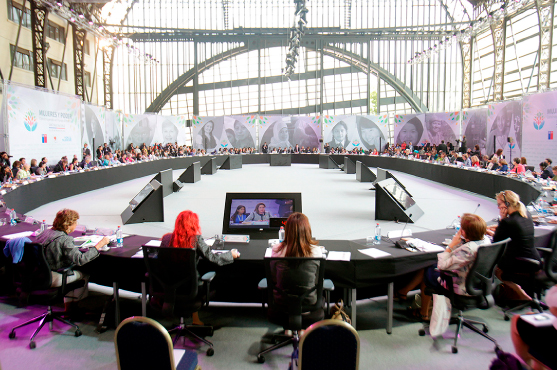

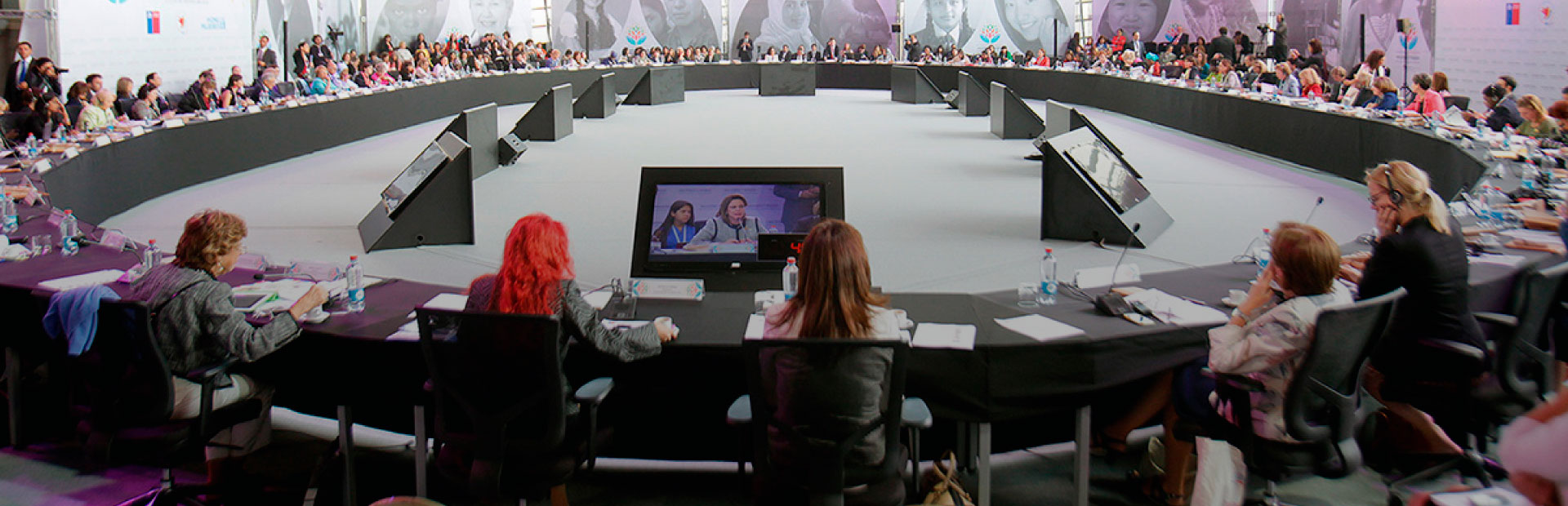
As custodians of natural resources and archivists of scientific and traditional knowledge, Indigenous women play an essential role in preserving forests and natural ecosystems.

In the larger scheme of things, where global capital and politics come into the picture, tribal women’s voices are missing.

Three powerful women in charge of finance, defence and foreign affairs frame the Canadian Prime Minister during press conferences. It’s the first time in our history that these three top cabinet jobs have been held simultaneously by women.

This compilation of resources from across Canada and around the world are some of the many tools, best practices, projects, research and ideas which have been pulled together with the hopes of promoting and achieving parity in municipal representation.

A compendium of ideas to reach gender parity in municipal politics
How can we begin to overcome the countless obstacles that are preventing women from fully participating in municipal politics?
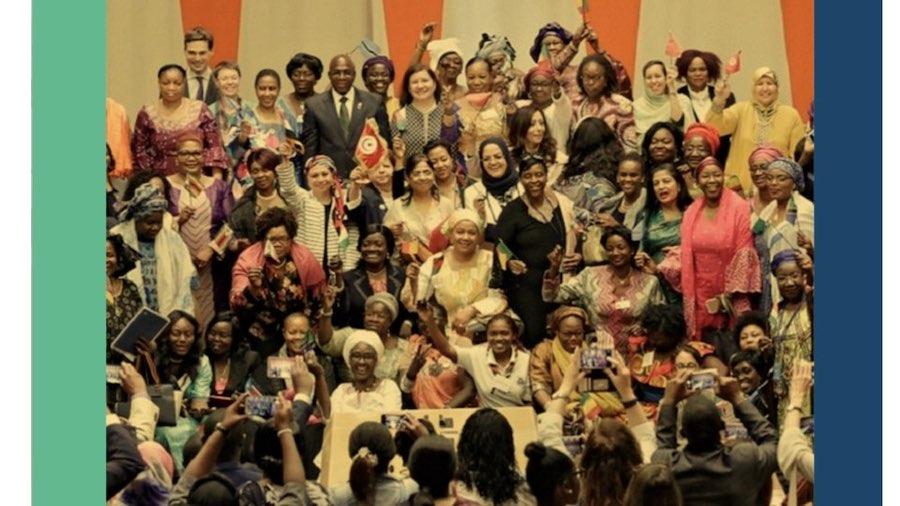
Africa has made significant progress in enhancing inclusive political participation and representation, mostly for women, youth and people living with disabilities. This report unpacks the trends and challenges of inclusive participation in Africa.

There are currently just 30 female presidents and prime ministers worldwide.
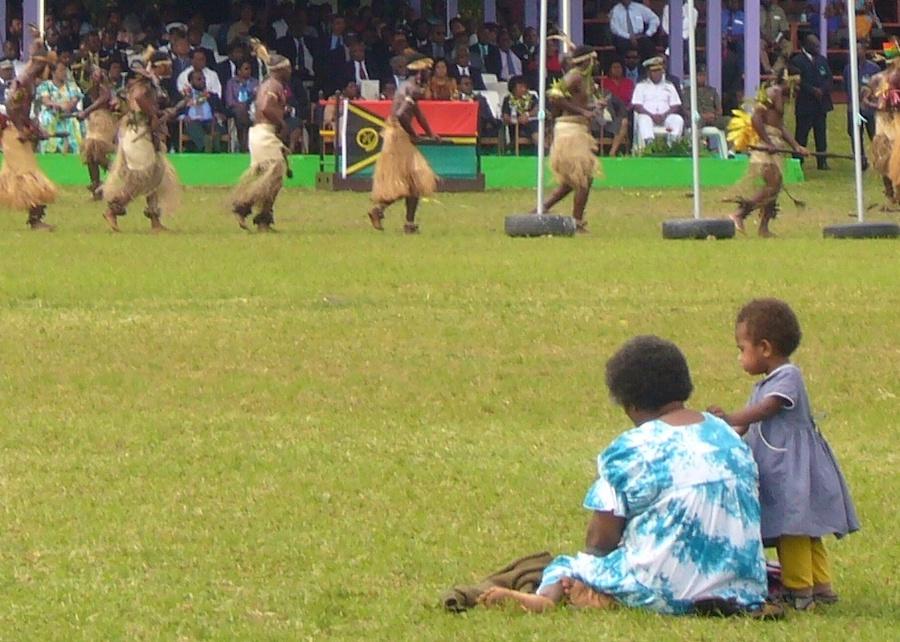
The way politics is played in Melanesian countries has very little national inclusivity about it – in terms of participation by and representation of both men and women at the national level.
