September 25, 2026
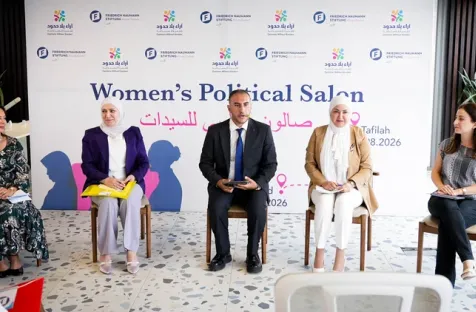
Women’s Political Salon: From Having a Seat to Having a Voice
Advocacy and development are activities that represent and promote the needs of specific groups in political and social arenas. One such group is women, who can collectively pressure their leaders for legislative reforms to protect and promote women’s rights and concerns. It is the goal of advocacy groups and lobbyists to ensure that both the public and politicians understand and support their cause, so that it gains strength and credibility. Securing rights and gains for women requires coalition-building, funding, civic education, awareness-raising and individuals willing to lead the way.
While the goals of advocacy and development are similar, the processes are distinctly different. Advocacy involves gaining and exercising power to influence a political action. Employing methods such as demonstrations, public campaigns and civic education, advocacy can be the primary mission of international agencies and civil society organizations seeking to influence global and national decision makers. Women worldwide frequently organize themselves for advocacy purposes, drawing on their collective power to affect legislation, official policies and governmental programs. Lobbying, however, refers to influencing the government and its leaders. Development attempt to sway policy makers and legislators to address specific issues, often by introducing or revising legislation and policy. Development activities may include private meetings with decision makers, public campaigns and demonstrations.
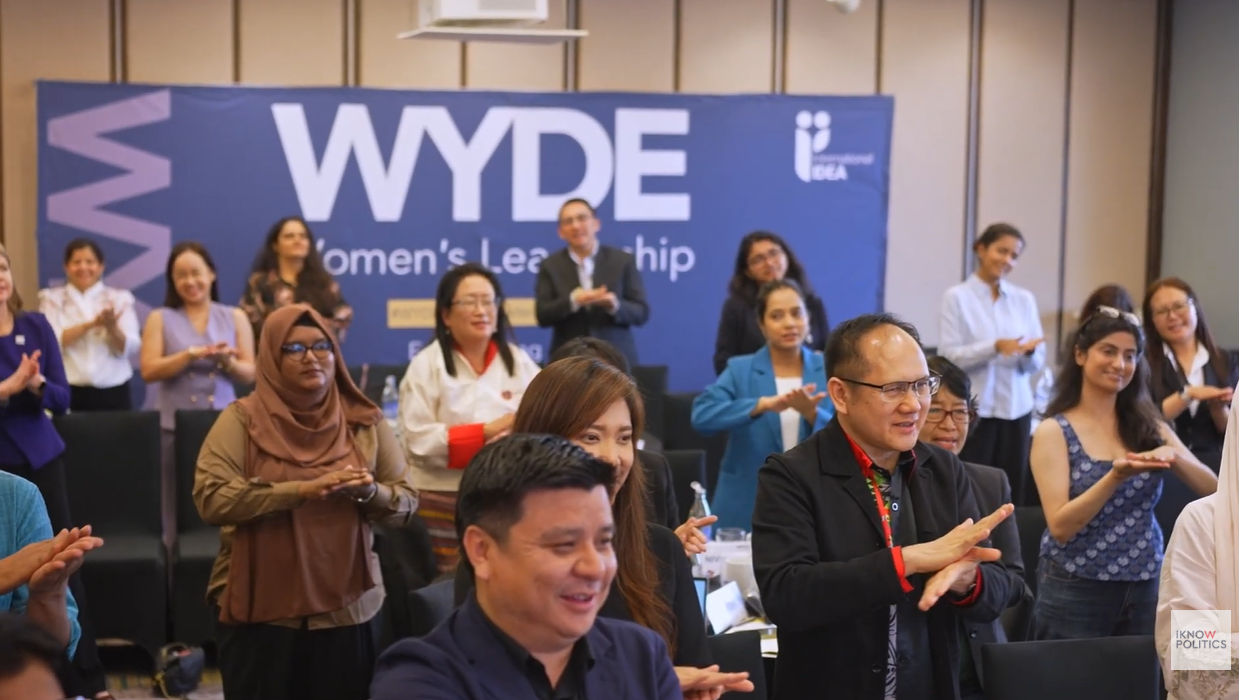
International IDEA organized a two-day South Asia and Southeast Asia Dialogue on transforming gender social norms to advance women’s and youth participation and representation in leadership and decision-making.
For the past two decades, the Global Gender Gap Index has benchmarked progress towards gender parity across four dimensions: Economic Participation and Opportunity, Educational Attainment, Health and Survival, and Political Empowerment.

Background
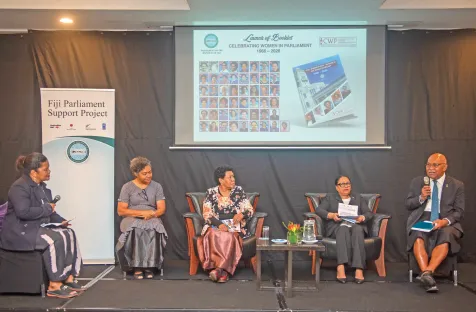
Changing public perceptions about women in leadership is critical to increasing female representation in Parliament, says Minister for Women, Children and Social Protection Sashi Kiran.
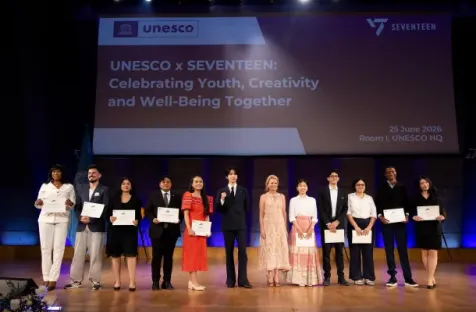
The event featured testimonies from young leaders, interactive discussions, and a showcase of impactful initiatives spanning mental health, arts, social inclusion and cultural heritage.
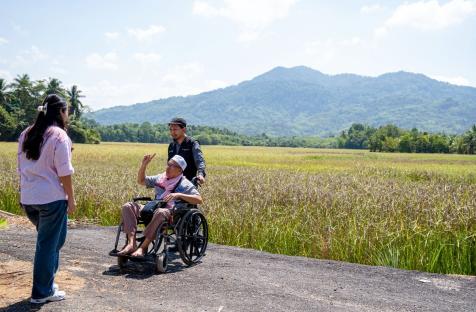
Adopted in 2000, UN Security Council resolution (UNSCR) 1325 recognizes women’s critical role in preventing and resolving conflicts, peacebuilding, peacekeeping, humanitarian response and post-conflict recovery, and calls for their equal participation and leadership in such efforts.
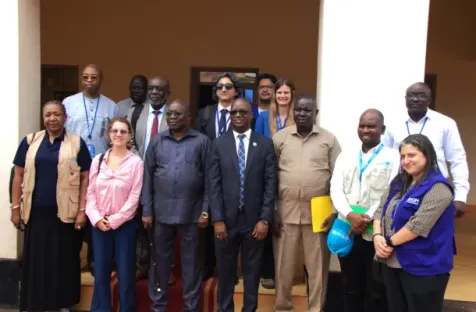
Officially launched in Yambio on 8 July, two new peacebuilding initiatives are bringing together the Government of South Sudan, UNESCO, the International Organization for Migration (IOM) and UN Women to expand opportunities for women and young people to become leaders of peace in their communitie