Time to act: Everyone has a role in making women’s leadership the norm
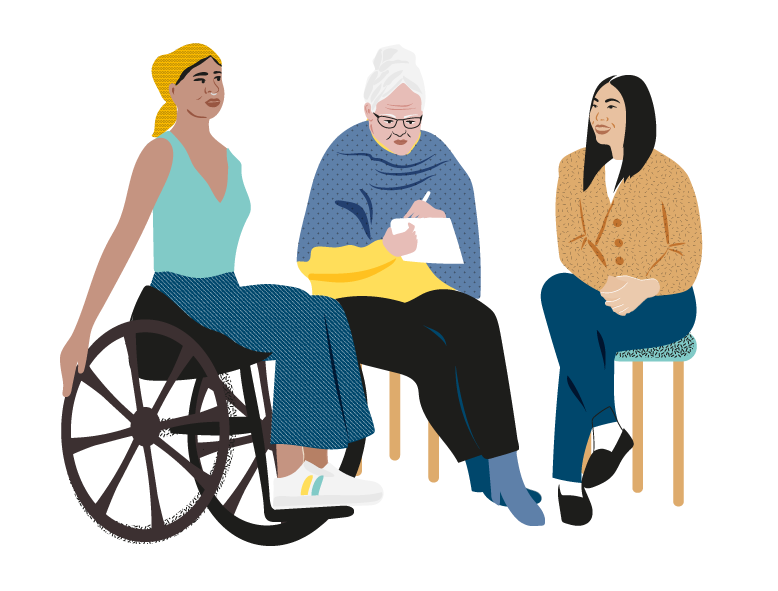
Advancing women’s political participation needs to go beyond legal and policy reforms.
Advocacy and development are activities that represent and promote the needs of specific groups in political and social arenas. One such group is women, who can collectively pressure their leaders for legislative reforms to protect and promote women’s rights and concerns. It is the goal of advocacy groups and lobbyists to ensure that both the public and politicians understand and support their cause, so that it gains strength and credibility. Securing rights and gains for women requires coalition-building, funding, civic education, awareness-raising and individuals willing to lead the way.
While the goals of advocacy and development are similar, the processes are distinctly different. Advocacy involves gaining and exercising power to influence a political action. Employing methods such as demonstrations, public campaigns and civic education, advocacy can be the primary mission of international agencies and civil society organizations seeking to influence global and national decision makers. Women worldwide frequently organize themselves for advocacy purposes, drawing on their collective power to affect legislation, official policies and governmental programs. Lobbying, however, refers to influencing the government and its leaders. Development attempt to sway policy makers and legislators to address specific issues, often by introducing or revising legislation and policy. Development activities may include private meetings with decision makers, public campaigns and demonstrations.
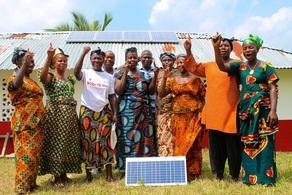
Advancing women’s political participation needs to go beyond legal and policy reforms.
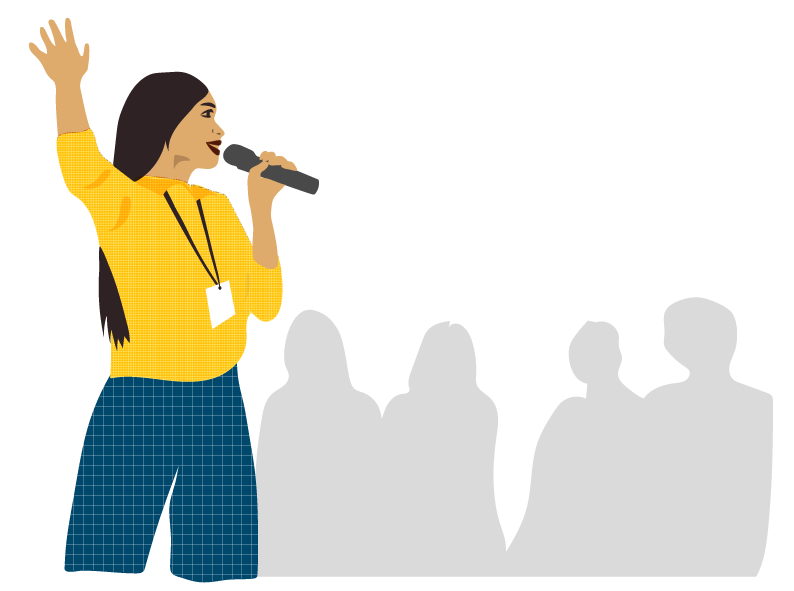
Invisible barriers: How social norms keep women out of leadership roles
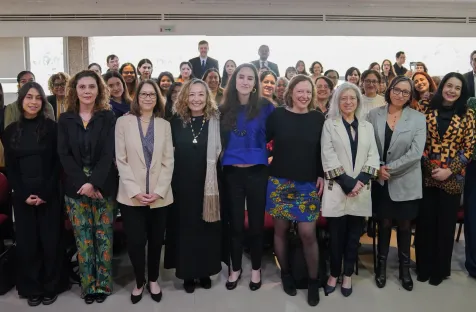
On 2 and 3 July, Mexico City hosted the regional workshop “Advances in the Development of Gender, Environment and Climate Change Indicators and their Georeferencing,” organized by UN Women Mexico.
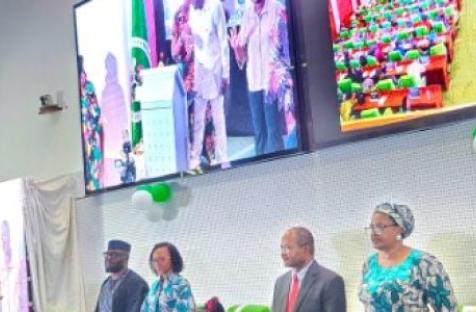
As part of the 2026 National Assembly Open Week, the House of Representatives convened the National Dialogue on the Electoral College Model for the Special Seats Bill, bringing together legislators, government officials, development partners, civil society organisations, women leaders, and govern
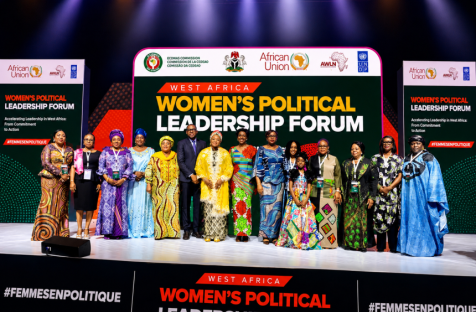
The Economic Community of West African States (ECOWA
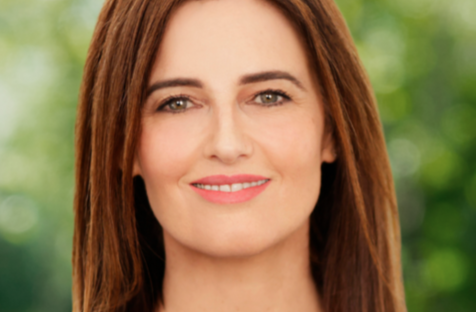
The year 2025 saw mixed progress on women’s overall representation in parliament, but a key development was the visibility and election of several women from historically disadvantaged groups, including women with disabilities, young women and women from indigenous communities, as shown in the IP
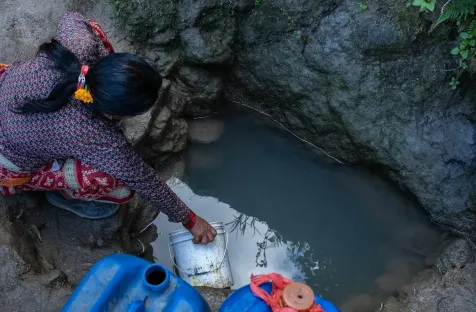
How do you use water every day?
You drink, bathe, cook, clean, flush, create, and grow with it. You may get it from a tap, bottle, bucket, river, or well.
Water – unpolluted, adequate, and affordable – is essential to the full enjoyment of our lives.