As India moves towards the key state elections of 2026, women leaders across regions such as West Bengal, Tamil Nadu, Kerala, Assam, and Puducherry are shaping both electoral narratives and representation debates.
The right to vote and the right to stand for election are two fundamental elements of democracy. Notably, many countries did not afford women the right to vote until the 20th Century. Even today, universal suffrage is not a given right in all countries, and women often face obstacles that undermine their participation in political and electoral processes. There are various ways to support women in overcoming these obstacles. Such methods include revising the electoral system used, applying affirmative action mechanisms such as quotas, improving voter education for women and training political candidates. These are a few of the modes available to strengthen women’s political participation .Photo©Jens Franssen
As India moves towards the key state elections of 2026, women leaders across regions such as West Bengal, Tamil Nadu, Kerala, Assam, and Puducherry are shaping both electoral narratives and representation debates.
Bangladesh's new government led by center-right Bangladesh Nationalist Party (BNP) chief Tarique Rahman was sworn in last week after his party's landslide victory in the
For a nation that has seen not one but two female prime ministers, the recently concluded elections showed a dismal reality. Although half of Bangladesh’s voters are women, the representation of women in politics continues to be low.
With the first primary elections of the 2026 midterms just two weeks away, the Center for American Women and Politics (CAWP), a unit of the Eagleton Institute of Politics at Rutgers University, shares resources for covering women in this year’s elections and understanding their place in Ame
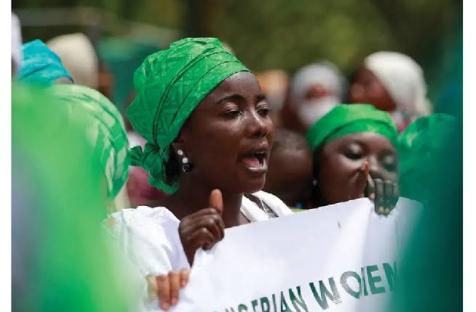
The protesters, under the aegis of Women Political Participation (WPP) noted that delays in passing the bill could undermine women’s representation in the next parliament. The women, carrying various placards called for swift passage of the bill.
As Assam, Tamil Nadu, West Bengal, and Kerala prepare for Assembly elections, two decades of electoral data reveal a clear pattern: more women are entering the fray, but they are not winning in proportion to their participation.
DHAKA – As the dust settles on Bangladesh’s 13th National Parliamentary Election, with the Election Commission (EC) declaring the 297 candidates elected to our parliament, a major source of disappointment rema
Examining the diversity of first-time candidates in last year’s federal election is a revealing exercise on many levels and serves as a sharper measure of distinct party effo
As Bangladesh awaits the result of the 2026 national parliamentary election, one statistic should give us pause. Only 78 women are contesting the election — just under 4% of nearly 2,000 candidates.