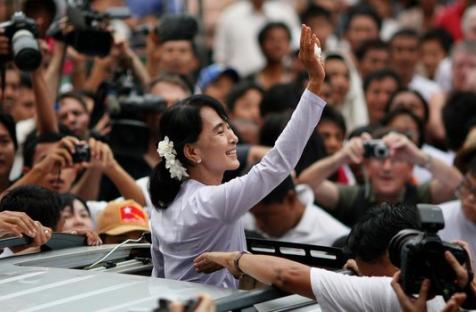
Elections
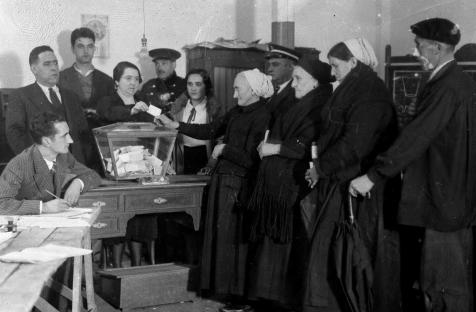
The right to vote and the right to stand for election are two fundamental elements of democracy. Notably, many countries did not afford women the right to vote until the 20th Century. Even today, universal suffrage is not a given right in all countries, and women often face obstacles that undermine their participation in political and electoral processes. There are various ways to support women in overcoming these obstacles. Such methods include revising the electoral system used, applying affirmative action mechanisms such as quotas, improving voter education for women and training political candidates. These are a few of the modes available to strengthen women’s political participation .Photo©Jens Franssen

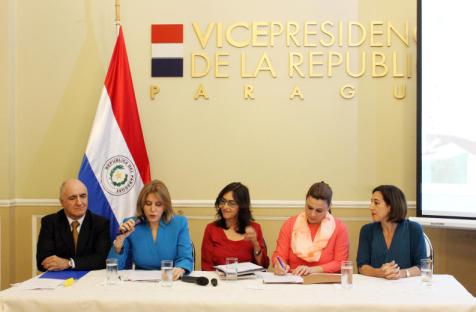
November 10, 2015
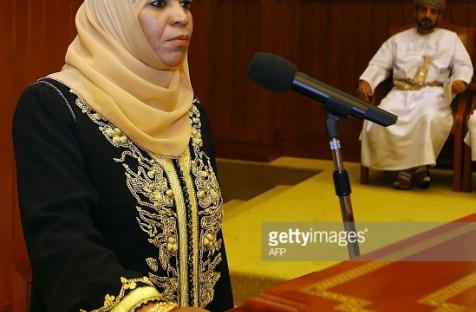
The initiative + Women Best Democracy presents a proposal to increase the political participation of women
In Paraguay, the Ministry of Women, along with the Superior Electoral Court, UN Women and UNDP have developed the project + MujeresMejorDemocracia.
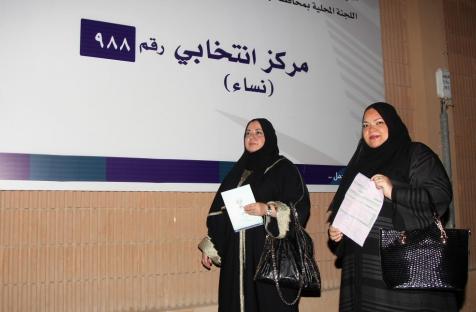
October 13, 2015
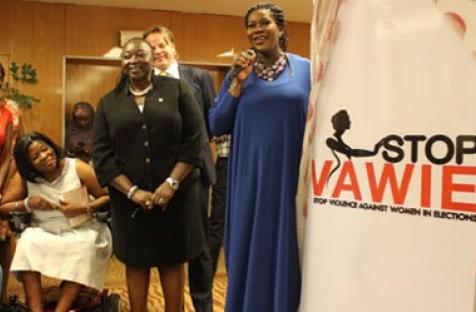
NDI's New Campaign to Stop Violence Against Women during Nigerian Elections
Violence against women takes many forms and it is a global phenomenon.
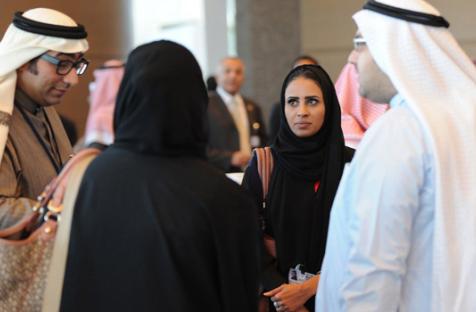
Ready for success: training manual for potential woman candidates in Vietnamese election
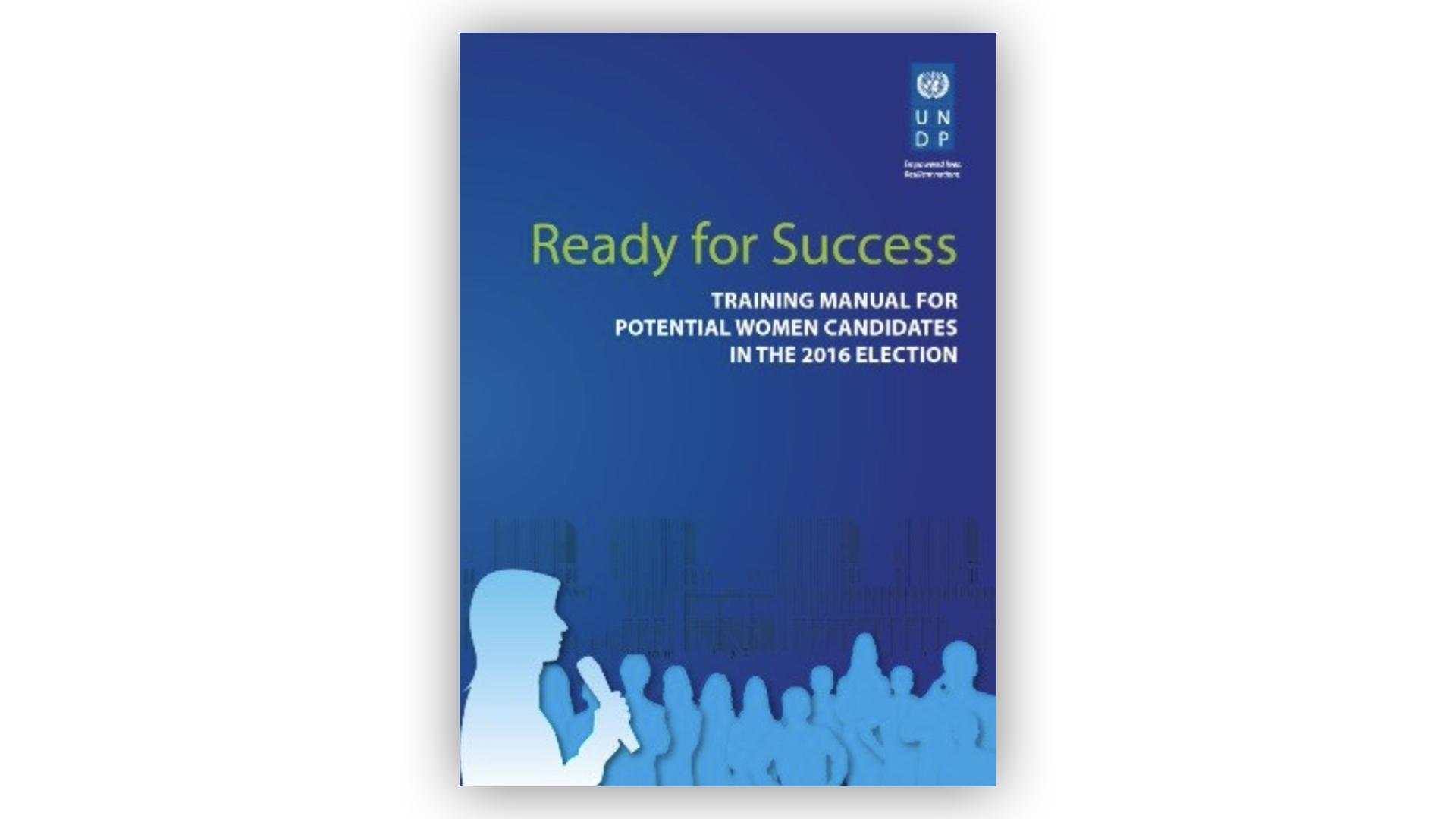
Besides equipping the readers with the most useful knowledge about Viet Nam’s political system and election process, the intention of this manual is to ensure that potential woman candidates understand they have the equal right to stand up, represent and raise their v
July 28, 2015
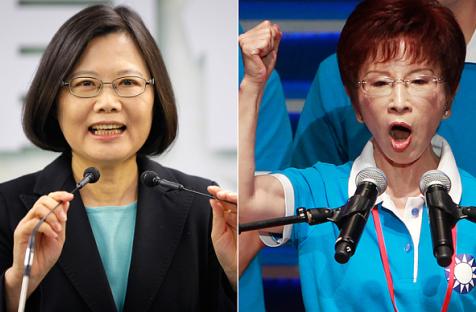
History made in Taiwan: two women candidates compete in 2016 presidential campaign
Taiwan’s top two political parties have each nominated a woman to run in the 2016 presidential election.
April 27, 2015
We women must vote or be ignored
On February 6, 1918, a select group gained suffrage but it took 10 more years before all women had the same voting rights as men. Yet at the last election, in 2010, more than nine million women didn’t use that hard-won right.