Latin America has made considerable progress increasing political representation of women, but more active measures are needed to increase outcomes.
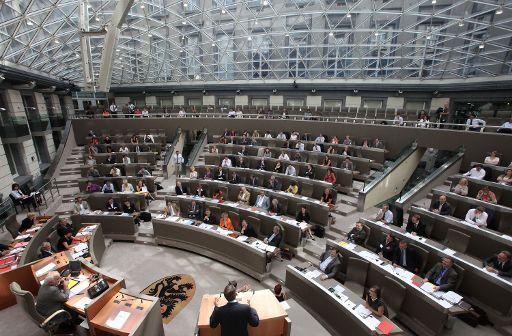
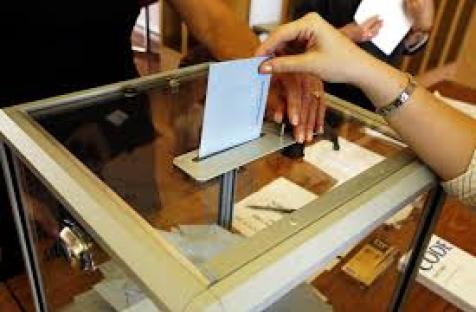
The right to vote and the right to stand for election are two fundamental elements of democracy. Notably, many countries did not afford women the right to vote until the 20th Century. Even today, universal suffrage is not a given right in all countries, and women often face obstacles that undermine their participation in political and electoral processes. There are various ways to support women in overcoming these obstacles. Such methods include revising the electoral system used, applying affirmative action mechanisms such as quotas, improving voter education for women and training political candidates. These are a few of the modes available to strengthen women’s political participation .Photo©Jens Franssen
Latin America has made considerable progress increasing political representation of women, but more active measures are needed to increase outcomes.
All political parties need funding to play their part in the political process, yet the role of money in politics is arguably the biggest threat to democracy today.
This e-book with the title “The Success and the Barriers to Women’s Representation in Southeast Asia: Between State Policies, Political Parties and Women’s Movement” is a result of analysis of four regional r
- Join the growing community of users - register your interest and receive your ERM Tool license today!
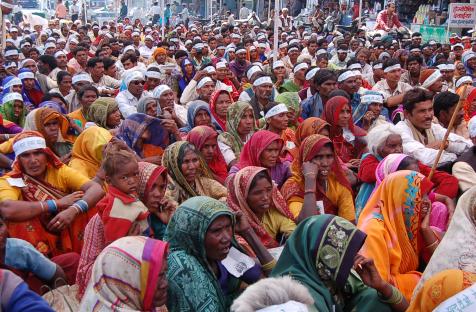
On 16 May 2014, Narendra Modi the Chief Minister of Gujarat state (in western India) led the Bharatiya Janta party (BJP) to a record victory in India’s 16th national election.
This publication, published in 2013 by the International Institute for Elec
Key points from ICAN’s Libya brief: