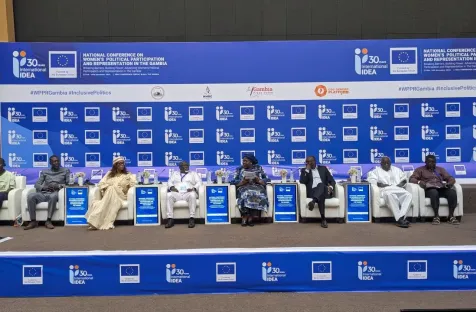
January 12, 2026
Political Parties Pledge Commitment to Women’s Political Participation
Six political parties in The Gambia have pledged to enhance women’s representation in the country’s political landscape.
The right to vote and the right to stand for election are two fundamental elements of democracy. Notably, many countries did not afford women the right to vote until the 20th Century. Even today, universal suffrage is not a given right in all countries, and women often face obstacles that undermine their participation in political and electoral processes. There are various ways to support women in overcoming these obstacles. Such methods include revising the electoral system used, applying affirmative action mechanisms such as quotas, improving voter education for women and training political candidates. These are a few of the modes available to strengthen women’s political participation .Photo©Jens Franssen

Six political parties in The Gambia have pledged to enhance women’s representation in the country’s political landscape.
On March 1, 2024, Iran held the first round of its parliamentary elections, marking the 12th time since the 1979 revolution that Iranians elected members of the national parliament.
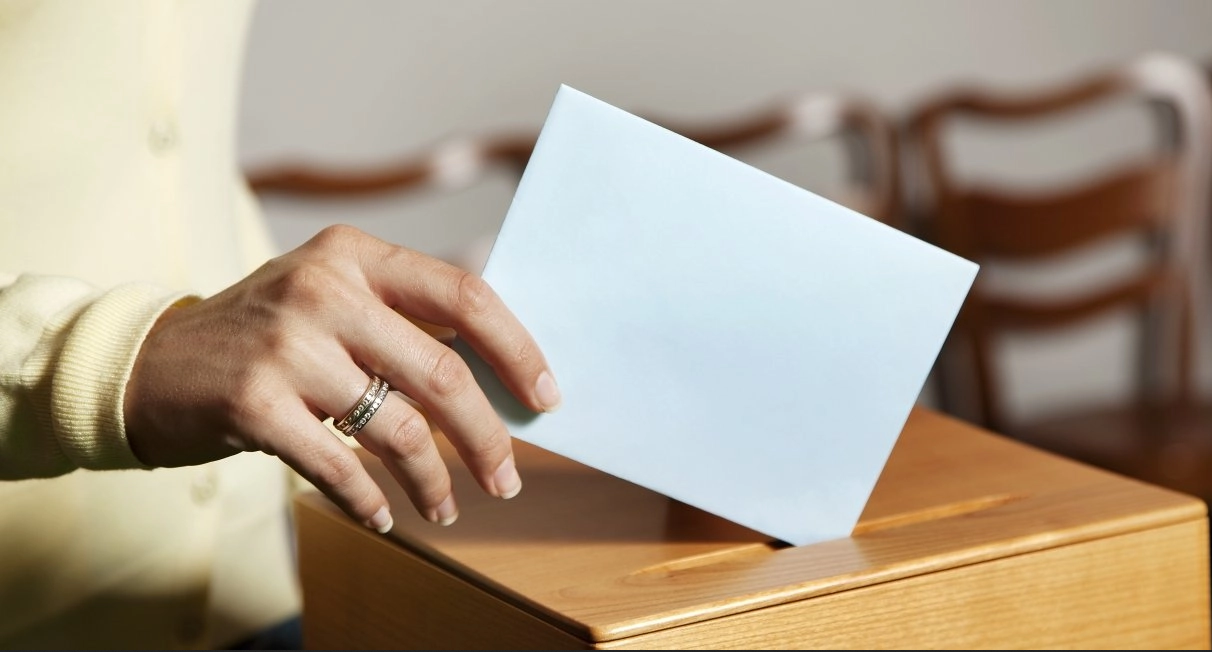
On March 1, 2024, Iran held the first round of its parliamentary elections, marking the 12th time since the 1979 revolution that Iranians elected members of the national parliament.
Sanae Takaichi is poised to make history as Japan’s first female prime minister.
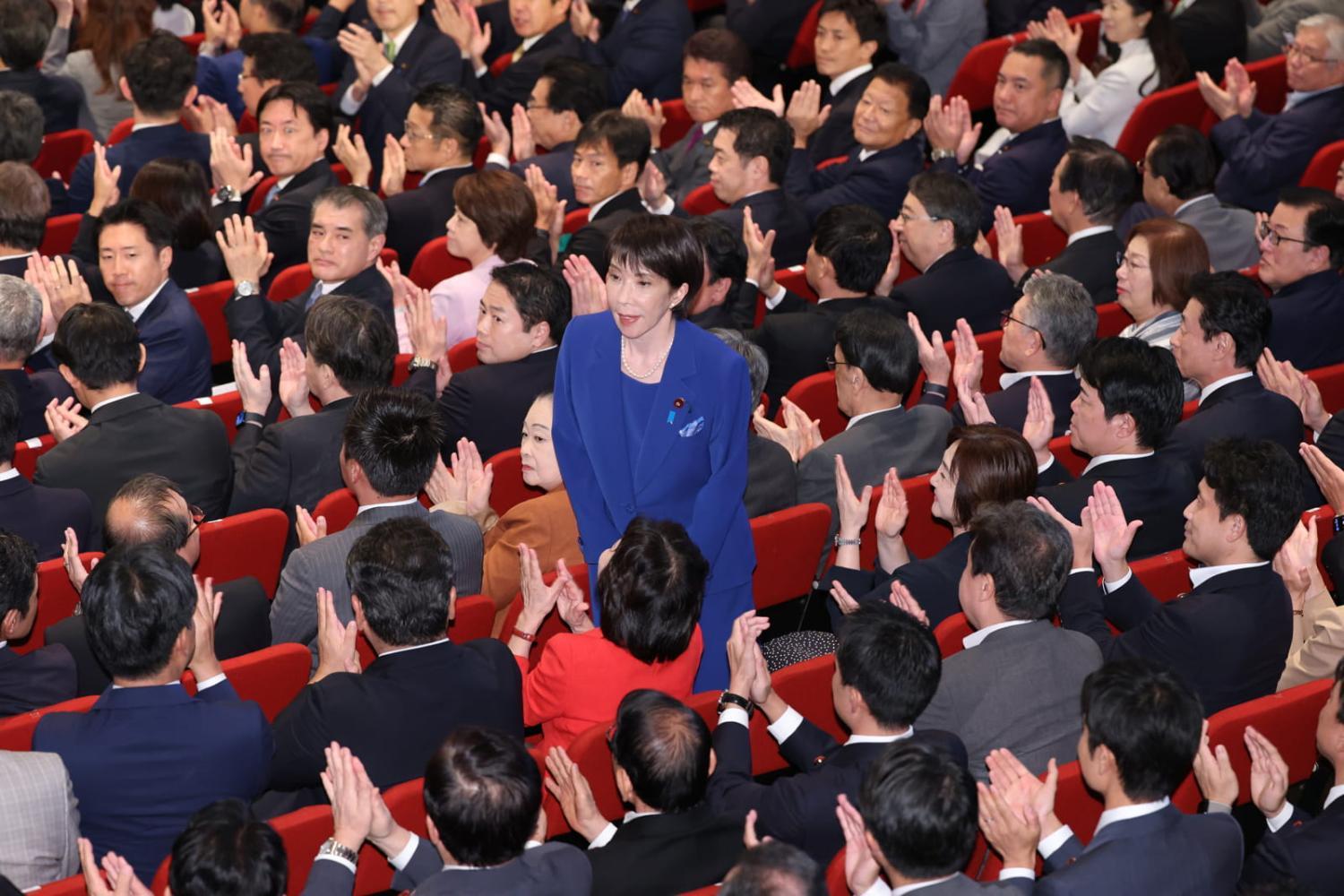
Sanae Takaichi is poised to make history as Japan’s first female prime minister.

After the elections in Kosovo, international and local observers have analyzed their development with positive marks.

BOSTON (WWLP) – The League of Women Voters convenes on Beacon Hill each year to advocate for their priority legislation.
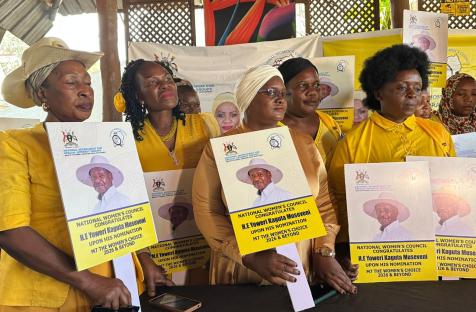
Women leaders under the National Women’s Council have appealed to all stakeholders in Uganda’s electoral process to champion peace and prevent acts of violence during and after the forthcoming elections.
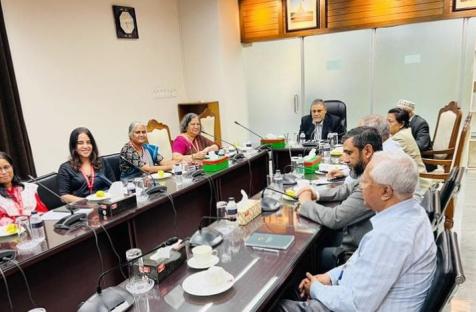
DHAKA, Sept 23, 2025 (BSS)- Narir Rajnoitik Odhikar Forum (NROF) today demanded that political parties must nominate 33 percent women candidates mandatorily outside the reserved seats in the 13th Jatiya Sangsad elections.

In the 9th Assembly, a constitutional amendment bill to create special or reserve seats for women in parliament failed to see the light of day as both the Senate and the House of Representatives failed to vote positively for the bill.