Observers: Elections in Kosovo were inclusive and peaceful, women's representation remains low
Source: Gazeta Express
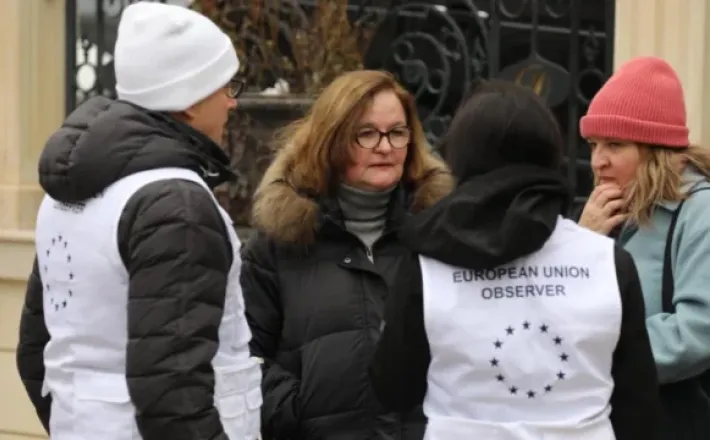
After the elections in Kosovo, international and local observers have analyzed their development with positive marks. The February 9 election process in Kosovo was inclusive and peaceful, although some technical problems were noted, but they did not affect the smooth conduct of the elections. The elections were observed by over 100 international observers, representatives of embassies and over 20 thousand other observers from non-governmental organizations, media and other levels.
Assessment for Electoral Commissions
“Kosovo voters showed their commitment to democracy by voting peacefully and without tension during the February 9, 2025 elections for the Parliament of Kosovo. The members of the Local Election Commissions should be commended for their collegial and respectful cooperation, overcoming political differences and language barriers, distancing themselves from the divisive pre-election language and hate speech used by political leaders, which was characteristic of this period,” said the head of the delegation of the Committee on Foreign Policy and Democracy of the Parliamentary Assembly of the Council of Europe, Petra Bayr.

Hear from women leading change in the political space share their experiences and insights.

Explore a wide-range of audio-visual resources on key topics of gender equality.

Hear from a diverse list of panelists and guests as they reflect on critical issues pertaining Women in Politics.