Media's coverage of women politicians and an underlying bias

‘Even Lord Krishna was dark’: PM Modi slams Congress over Sam Pitroda’s racist remarks, asks if skin colour is the reason they opposed President Murmu
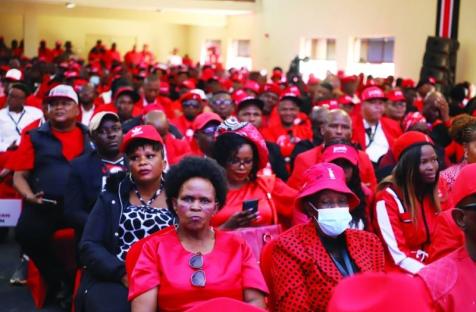
The right to vote and the right to stand for election are two fundamental elements of democracy. Notably, many countries did not afford women the right to vote until the 20th Century. Even today, universal suffrage is not a given right in all countries, and women often face obstacles that undermine their participation in political and electoral processes. There are various ways to support women in overcoming these obstacles. Such methods include revising the electoral system used, applying affirmative action mechanisms such as quotas, improving voter education for women and training political candidates. These are a few of the modes available to strengthen women’s political participation .Photo©Jens Franssen

‘Even Lord Krishna was dark’: PM Modi slams Congress over Sam Pitroda’s racist remarks, asks if skin colour is the reason they opposed President Murmu
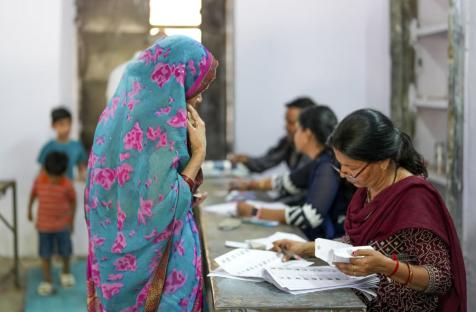
Basanti Sabar, 30, is a third-time voter. But this time round, as the eastern Indian state of Odisha goes to the polls in simultaneous general and assembly elections, the former migrant worker will make a crucial shift in the way she votes.
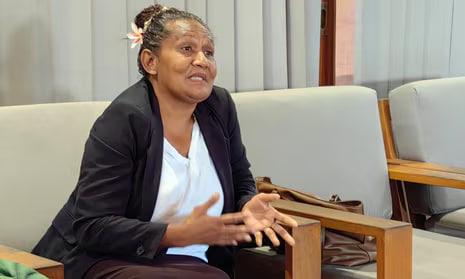
In the final days of her election campaign, Cathy Nori considered giving up.
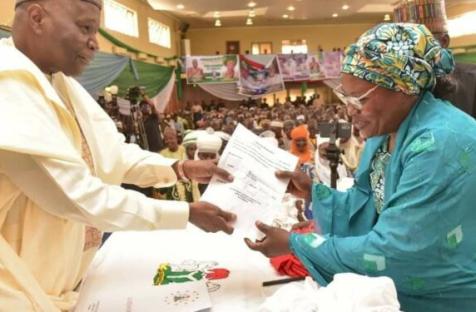
History was made on Monday, 29th April 2024 when Two Women were sworn-in as democratically elected Executive Chairpersons of local government councils in Gombe for the first time.
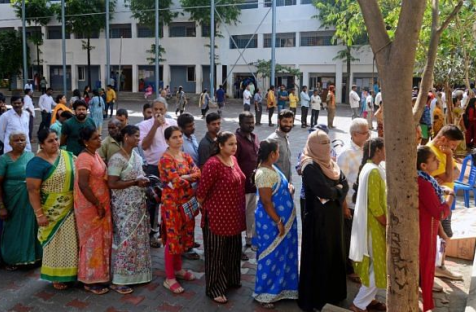
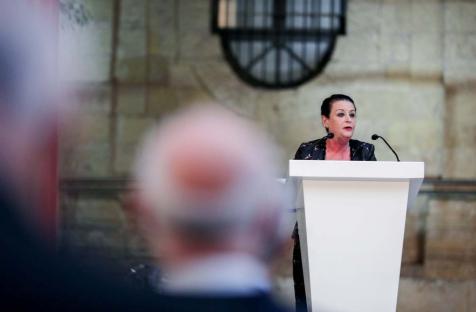
Myriam Spiteri Debono, a notary and former parliamentary speaker, is set to become the 11th President of Malta on 4 April.

Women constituted only eight per cent of the total 2,823 candidates in the first two phases of the Lok Sabha elections, with political activists saying it
