Shared hurdles: How political races change when two women compete (2022)

With more and more women running for office, races between women candidates will become the norm — not a novelty.
Indigenous women and other minorities suffer from a lack of political representation, economic marginalization and poverty, lack of access to social services and discrimination. This section highlights news, resources and stories on minorities and indigenous women's struggle for political inclusion.
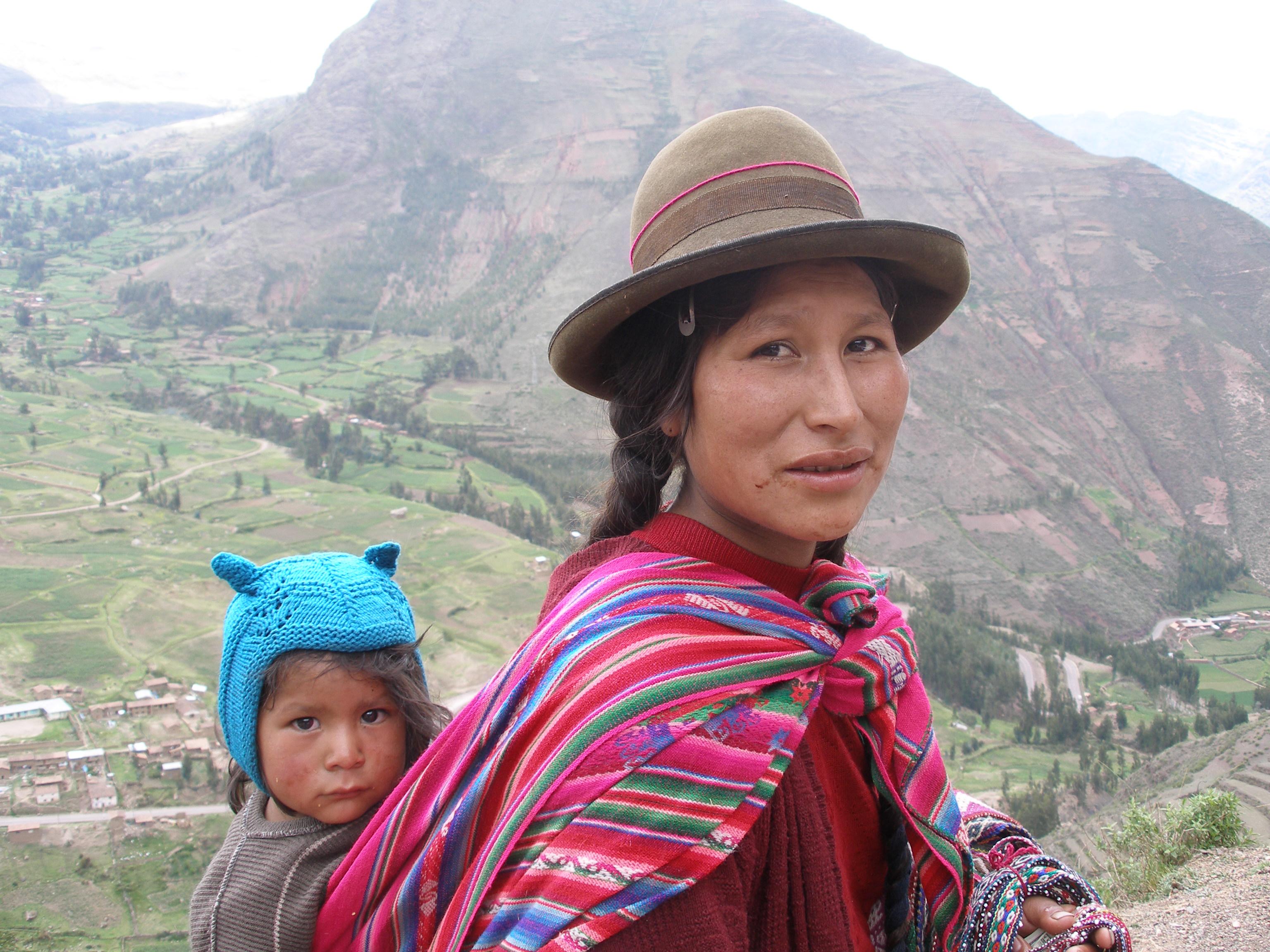
With more and more women running for office, races between women candidates will become the norm — not a novelty.
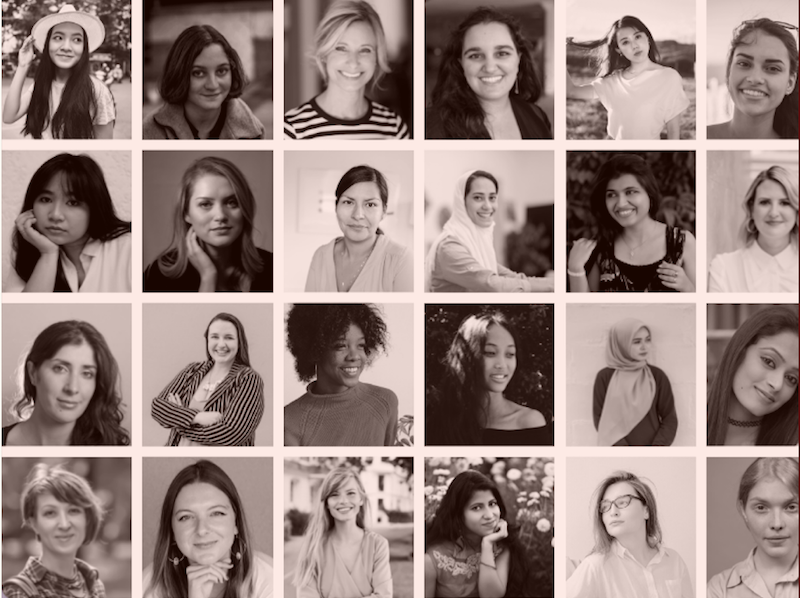
Driven by the shared belief that all young voices should be heard, Raise Our Voice Australia has proudly partnered with The Body Shop Australia to ask young women and gender diverse Australians about their political engagement.
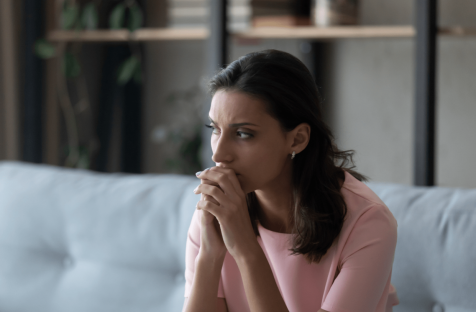
Young women and gender diverse people are less likely to run for office or join a political party today, than they were 12 months ago.
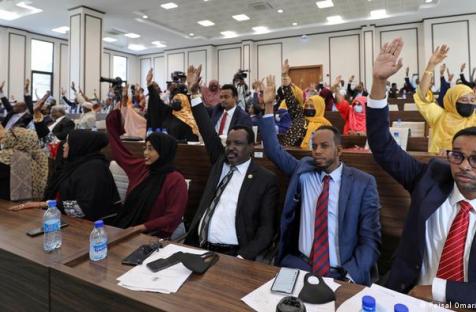
Although Somalia now has a quota system for female lawmakers, women are frequently held back from pursuing leadership roles due to pervasive cultural and social barriers.
It's not easy being a female politician in conflict-ridden Somalia.
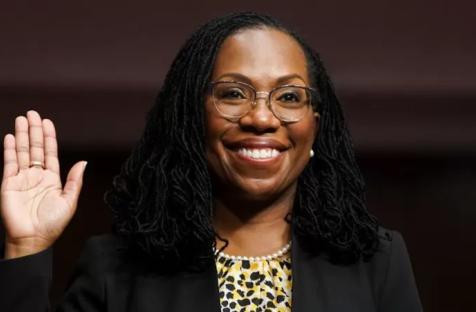
WASHINGTON, April 7 (Reuters) - Ketanji Brown Jackson was confirmed by the Senate on Thursday as the first Black woman to serve on the Supreme Court in a milestone for the United States and a victory for President Joe Biden, who made good on a campaign promise as he seeks to infuse the federal ju
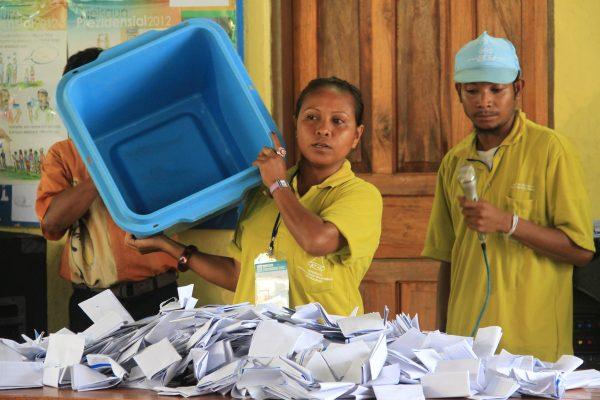
Next week’s election will feature more female candidates than ever, but their impact on the country’s patriarchal cultural norms remains to be seen.
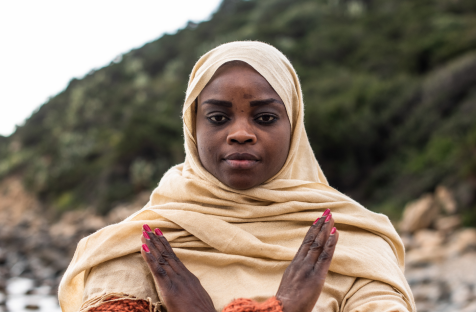
As the world commemorates the 2022 International Women's Day, the plummeting of women's representation in elective office in Africa is alarming.

Convincing women to run in the upcoming local elections has been “really difficult”, SNP MSP Karen Adam has said, as she urged women and minorities to take up more leadership roles.
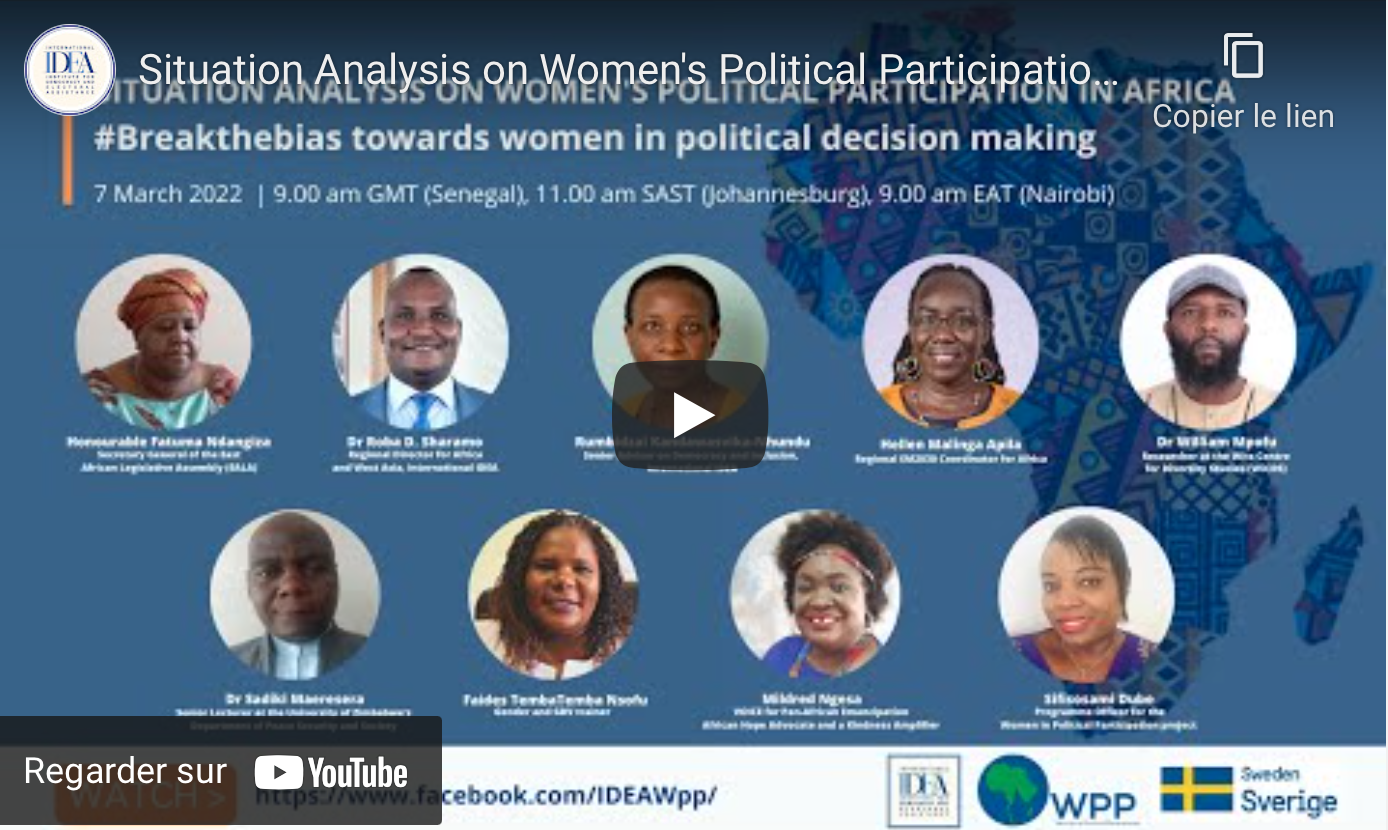
On the occasion of International Women’s Day 2022, the Women in Political Participation (WPP) project invites you to the webinar Situation Analysis on Women's Political Participation in Africa: #BreakTheBias t