Situation analysis on women's political participation in Africa

On the occasion of International Women’s Day 2022, the Women in Political Participation (WPP) project invites you to the webinar Situation Analysi
Indigenous women and other minorities suffer from a lack of political representation, economic marginalization and poverty, lack of access to social services and discrimination. This section highlights news, resources and stories on minorities and indigenous women's struggle for political inclusion.
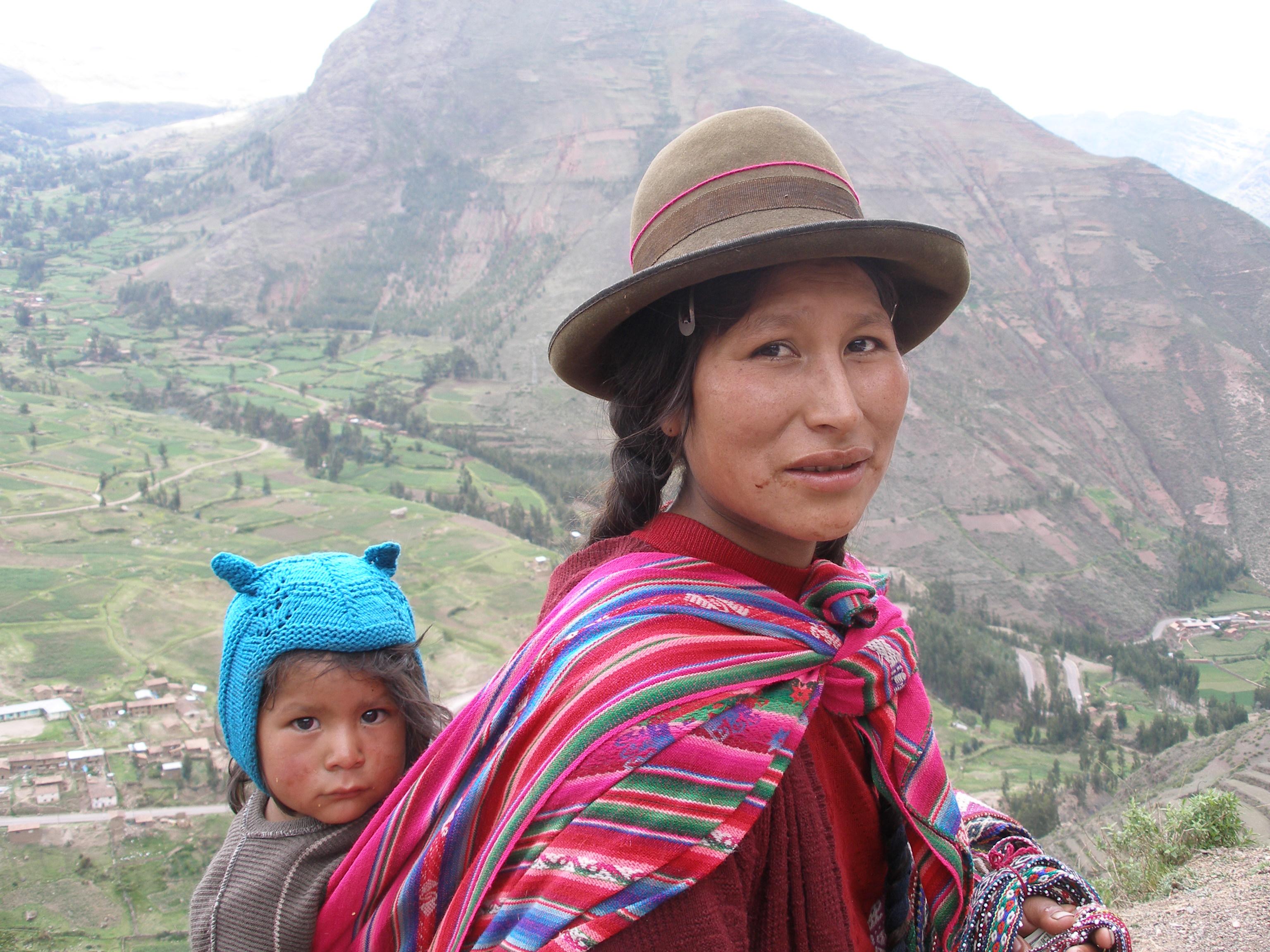
On the occasion of International Women’s Day 2022, the Women in Political Participation (WPP) project invites you to the webinar Situation Analysi
New Gallup polling data shows 7.1 percent of the U.S. population identifies as LGBTQ – up from 5.6 percent in 2020.
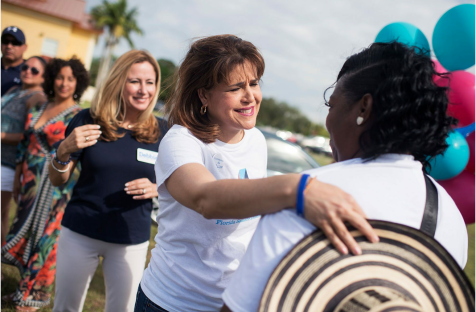
At least a thousand men have been governor of a U.S. state; just 45 women have, and only two of them Latinas. This year, their presence on primary ballots is making a difference.

Our 2020 data showed that young Asian women, young Black women, and young Latinas were more likely to talk politics, participate in elections, and fight racism.
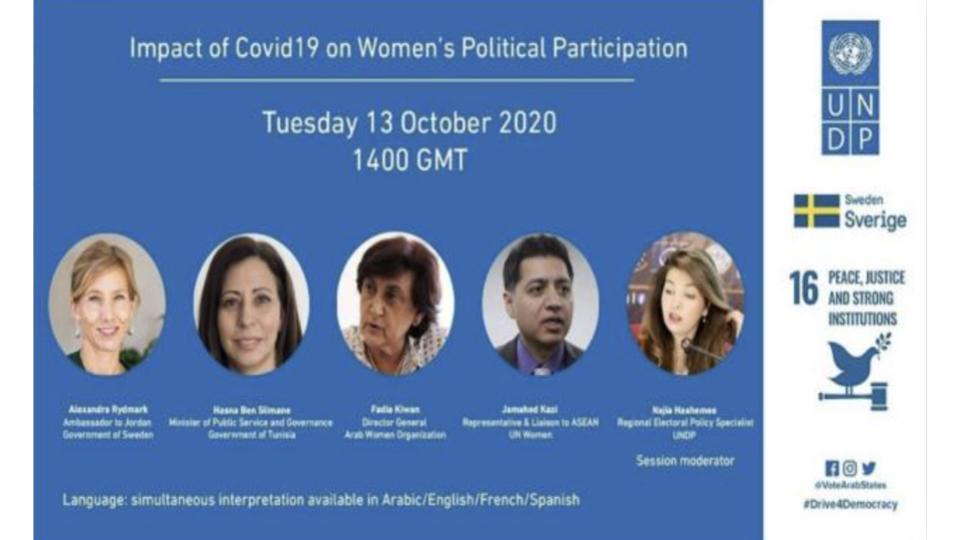
The regional electoral assistance project hold the 9th webinar about the impact of Covid-19 on women’s political participation.

The Independent National Electoral Commission(INEC) says it is collaborating with the Policy and Legal Advocacy Centre(PLAC), a Civil Society Organisation(CSO) towards increasing women and youths participation in politics.

Racial/ethnic minorities and women continue to be underrepresented in public office in the United States.

By Amanda Brown Lierman
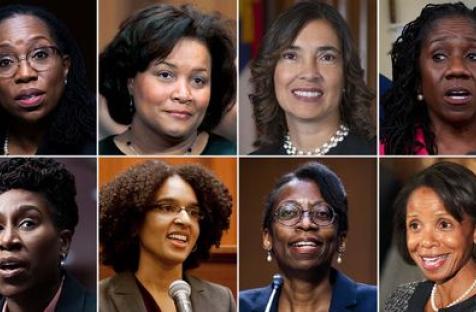
More than 100 influential Black women leaders thanked President Joe Biden in a letter for honoring his promise to nominate a Black woman to the Supreme Court, who if confirmed, would be the first to ever sit on the bench.