Parliaments and Representatives
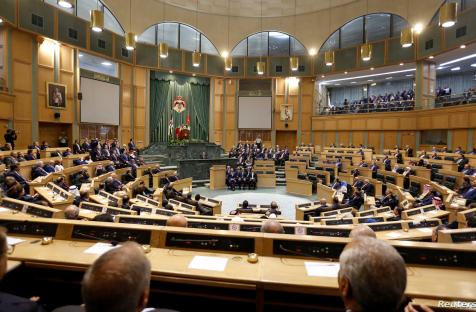
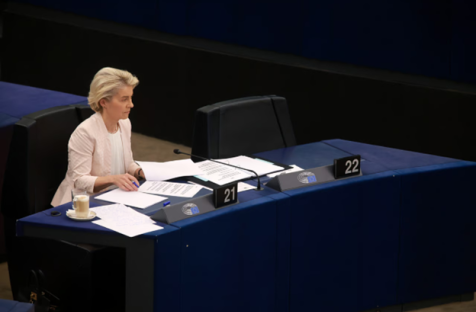
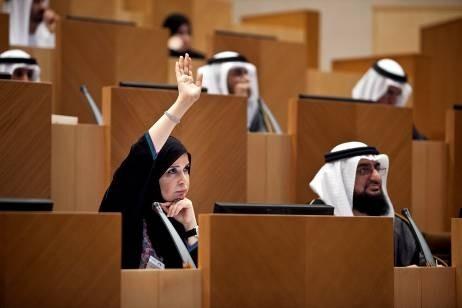
Democracy and the equal participation of men and women in the political arena are closely intertwined. No parliament or any decision-making body can claim to be representative without the participation of both men and women. As stated in the Universal Declaration on Democracy adopted by the Inter-Parliamentary Union’s Member Parliaments in 1997, "The achievement of democracy presupposes a genuine partnership between men and women in the conduct of the affairs of society in which they work in equality and complementarity, drawing mutual enrichment from their differences."
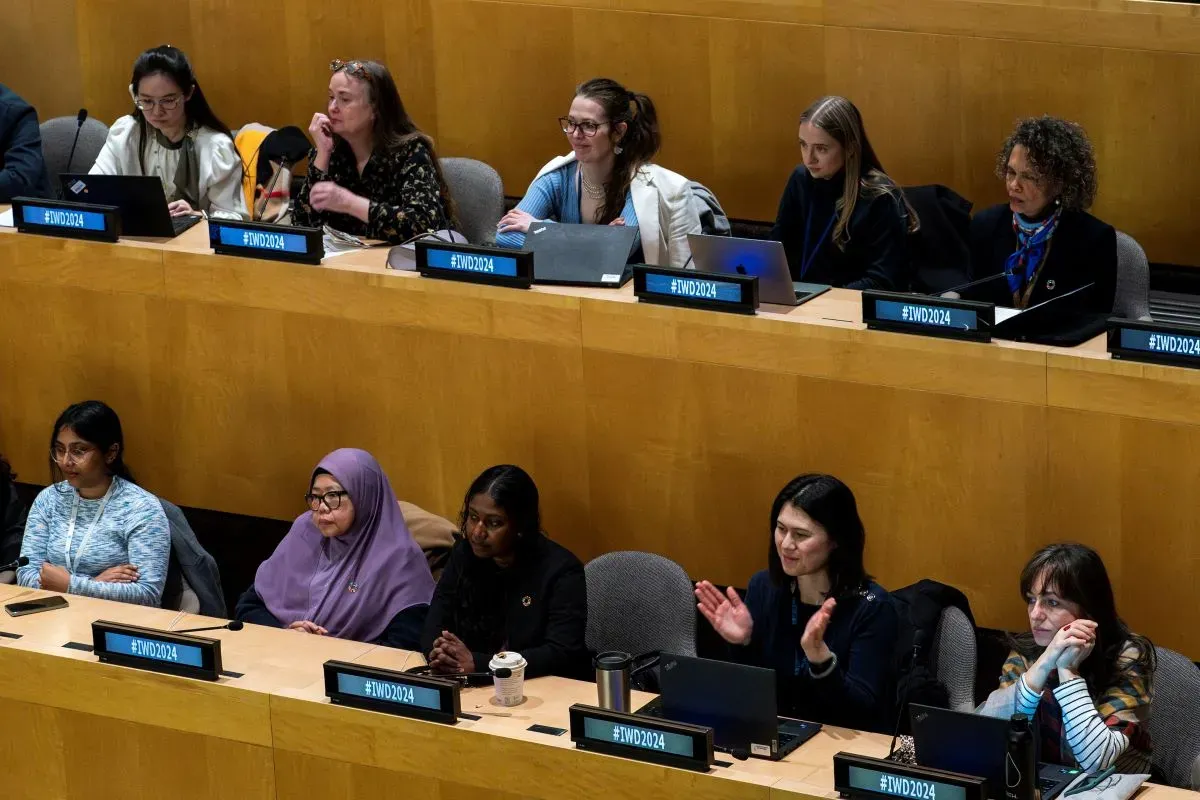
Recent years have seen a steady increase in the number of women in parliament, though the world average of less than 22 percent remains far from the goal of parity between women and men. The election of women to the highest positions of state and government in several countries has also contributed to the changing face of politics.
While the road to election is a difficult one, the challenges for women do not stop there. Once women enter parliament or other bodies, they are faced with many new challenges. Parliament is traditionally a male-oriented domain where the rules and practices have been written by men. It is, therefore, an ongoing challenge to transform parliament into a gender-sensitive environment, to ensure that actions are gender-sensitive and to guarantee that gender is mainstreamed throughout the legislature.
Abusing women in politics
How Instagram is failing women and public officials
New research by CCDH shows that Instagram failed to act on 93% of the abusive comments targeting high-profile US women politicians we reported, including death and rape threats.
How Instagram is failing women and public officials
New research by CCDH shows that Instagram failed to act on 93% of the abusive comments targeting high-profile US women politicians we reported, including death and rape threats.
A report found that Instagram left up 93 percent of violent comments toward female candidates—the kind of online abuse that has led them to not seek office.
In a deliberate effort to encourage more women to pursue leadership roles, WILAN Global is set to launch a documentary on women, who contested elections into various offices in Nigeria’s 2023 general e
Globally, history has shown that politics is predominantly male dominated, where women were not expected to hold significant political views or opinions. This reality is also evident in Africa, where men occupy most major political positions in African countries.
Shattering the political glass ceiling: Exploring the rise of women political leaders
With voters heading to the polls in countries around the world, 2024 has been dubbed the year of elections.
As elections unfold throughout this super election year, much of the discussion has revolved around the advanced age of some candidates running for office.
Sheikh Hasina: child of the revolution who eroded Bangladesh’s democracy
The world’s longest-serving female leader was, according to her son, “in good spirits, but disheartened and disappointed in the lack of gratitude of the people of Bangladesh”.
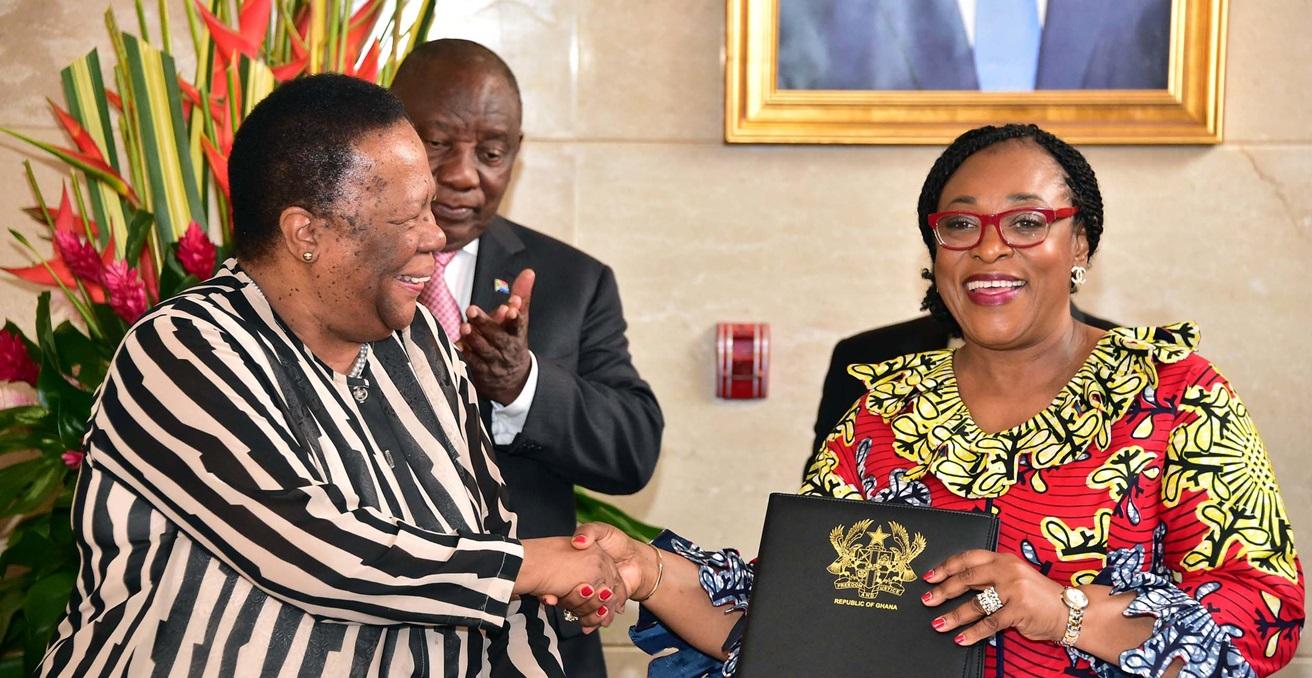
Nigeria’s Minister of Women Affairs, Uju Kennedy Ohanenye, has emphasised the need for greater inclusion of women in politics and governance, acknowledging their crucial role
Pagination
- Previous page
- Page 18
- Next page