2nd Global Progress Report on SDG 16 Indicators

Democracy and the equal participation of men and women in the political arena are closely intertwined. No parliament or any decision-making body can claim to be representative without the participation of both men and women. As stated in the Universal Declaration on Democracy adopted by the Inter-Parliamentary Union’s Member Parliaments in 1997, "The achievement of democracy presupposes a genuine partnership between men and women in the conduct of the affairs of society in which they work in equality and complementarity, drawing mutual enrichment from their differences."
Recent years have seen a steady increase in the number of women in parliament, though the world average of less than 22 percent remains far from the goal of parity between women and men. The election of women to the highest positions of state and government in several countries has also contributed to the changing face of politics.
While the road to election is a difficult one, the challenges for women do not stop there. Once women enter parliament or other bodies, they are faced with many new challenges. Parliament is traditionally a male-oriented domain where the rules and practices have been written by men. It is, therefore, an ongoing challenge to transform parliament into a gender-sensitive environment, to ensure that actions are gender-sensitive and to guarantee that gender is mainstreamed throughout the legislature.
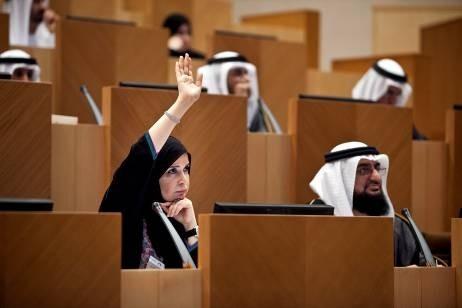
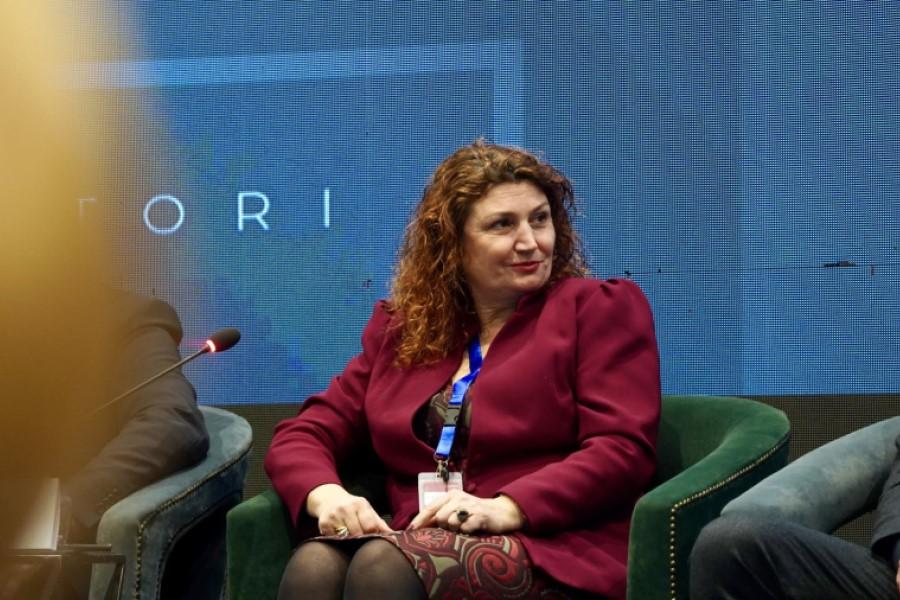
Only three percent of women are directly engaged in politics, while 11 percent have no interest in involvement at all. This is what the research findings of the "Friedrich Eber" foundation say, which were presented by professor Besa Luzha.

The National Women Leader of the All Progressives Congress (APC), Dr Mary Idele Alile, has said that only 6 per cent of women in Nigeria hold political office.
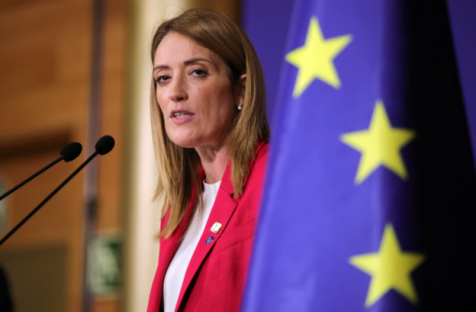
STRASBOURG — Roberta Metsola has been reelected as president of the European Parliament.
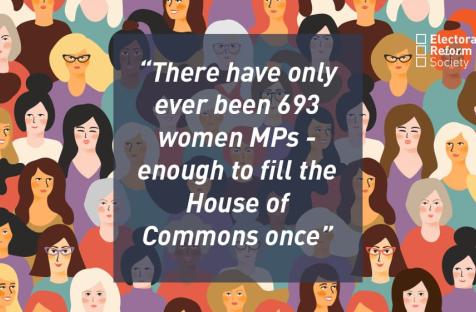
Last week saw a change of Government and a brand-new cohort of MPs (335 new MPs) elected; but with all this churn how representative is our new House of Commons?
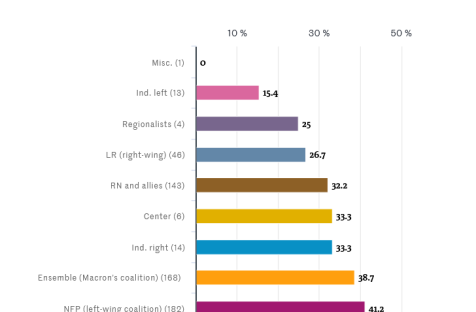
Only 208 women will sit in the Assemblée Nationale, representing just over a third of all MPs. This is the second time in two years that the proportion of women in the Assemblée has fallen.

Excelling as a world-class athlete and performing parliamentary work both require determination, collaboration, and a commitment to excellence. As we count down to the Paris 2024 Olympics, let's meet five trailblazers who succeeded in both arenas.
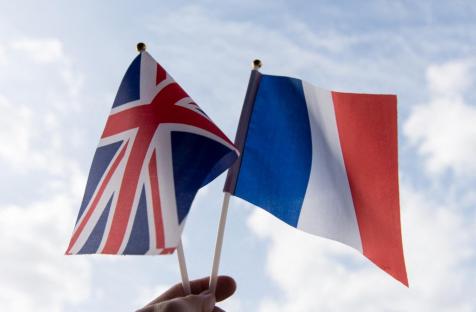
Following an intense week of elections, the IPU’s two founding members, France and the United Kingdom, have just completed their parliamentary elections.

This article investigates legislators’ willingness to talk about gender and women during policy making discussions, asking whether it is conditional on their sex or partisanship in environments where party discipline does not constrain their speech.