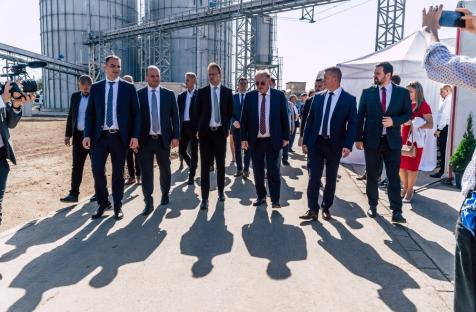
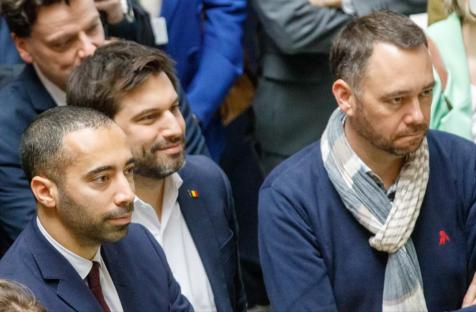
The average age of the candidates standing on Flemish parties’ lists for the federal elections on 9 June is 47. Never before in the past 37 years was the average age of the candidates seeking election to the Chamber of Representatives so high.
Democracy and the equal participation of men and women in the political arena are closely intertwined. No parliament or any decision-making body can claim to be representative without the participation of both men and women. As stated in the Universal Declaration on Democracy adopted by the Inter-Parliamentary Union’s Member Parliaments in 1997, "The achievement of democracy presupposes a genuine partnership between men and women in the conduct of the affairs of society in which they work in equality and complementarity, drawing mutual enrichment from their differences."
Recent years have seen a steady increase in the number of women in parliament, though the world average of less than 22 percent remains far from the goal of parity between women and men. The election of women to the highest positions of state and government in several countries has also contributed to the changing face of politics.
While the road to election is a difficult one, the challenges for women do not stop there. Once women enter parliament or other bodies, they are faced with many new challenges. Parliament is traditionally a male-oriented domain where the rules and practices have been written by men. It is, therefore, an ongoing challenge to transform parliament into a gender-sensitive environment, to ensure that actions are gender-sensitive and to guarantee that gender is mainstreamed throughout the legislature.
The average age of the candidates standing on Flemish parties’ lists for the federal elections on 9 June is 47. Never before in the past 37 years was the average age of the candidates seeking election to the Chamber of Representatives so high.
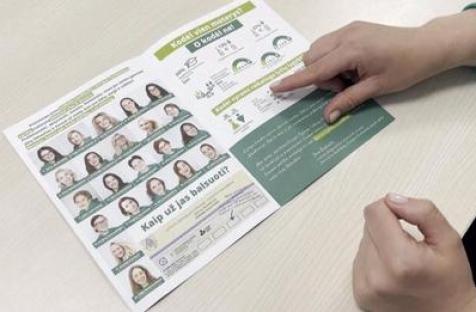
In pioneering Lithuania, the first all-women list in the country’s political history has been unveiled.
The Lithuanian Greens are hoping that this list will help more women get elected to the European Parliament, where men still make up around 60% of the members.
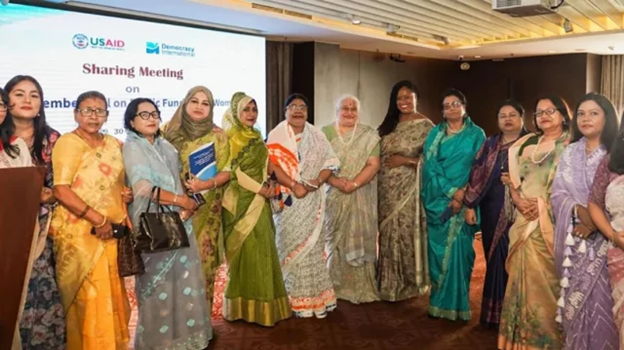
We could not agree more with female members of parliament (MPs) in Bangladesh who have advocated for a dedicated law to enhance female participation in politics and empower women leaders.
In the last five-year term, both the proportion of women in the European Parliament and in relevant positions in European institutions have improved significantly.
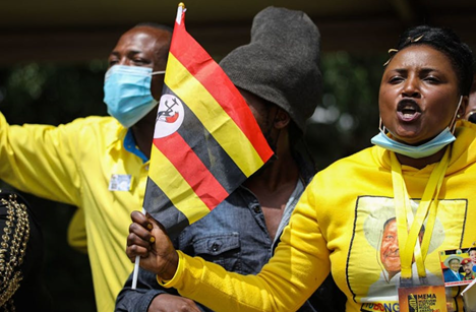
Electoral gender quotas in Uganda – first introduced in 1989 – have increased women’s numbers in Uganda’s parliament to
Politics has historically been a male-dominated space. Men hold the majority of power in the political sphere globally due to entrenched patriarchal norms that prioritize male leadership and decision-making.
The IPU grew in 2023 with the accession of the parliaments of Liberia and the Bahamas, its 179th and 180th Members respectively, as well as many observers and partners signing up to join or rejoin our global parliamentary community.