May 3, 2024
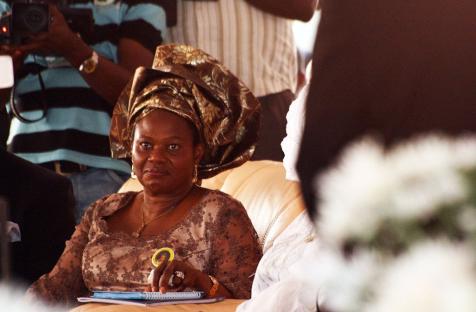
Dora Akunyili: a black woman who reformed Nigeria’s public health sector
The struggle of Black women to be recognized, respected, and welcomed as leaders is an international one.
Democracy and the equal participation of men and women in the political arena are closely intertwined. No parliament or any decision-making body can claim to be representative without the participation of both men and women. As stated in the Universal Declaration on Democracy adopted by the Inter-Parliamentary Union’s Member Parliaments in 1997, "The achievement of democracy presupposes a genuine partnership between men and women in the conduct of the affairs of society in which they work in equality and complementarity, drawing mutual enrichment from their differences."
Recent years have seen a steady increase in the number of women in parliament, though the world average of less than 22 percent remains far from the goal of parity between women and men. The election of women to the highest positions of state and government in several countries has also contributed to the changing face of politics.
While the road to election is a difficult one, the challenges for women do not stop there. Once women enter parliament or other bodies, they are faced with many new challenges. Parliament is traditionally a male-oriented domain where the rules and practices have been written by men. It is, therefore, an ongoing challenge to transform parliament into a gender-sensitive environment, to ensure that actions are gender-sensitive and to guarantee that gender is mainstreamed throughout the legislature.
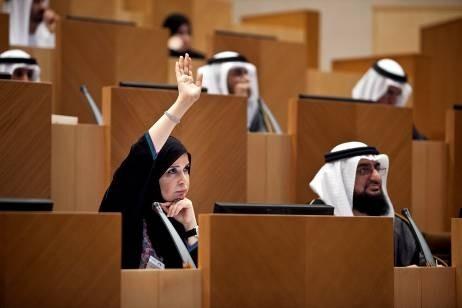
The struggle of Black women to be recognized, respected, and welcomed as leaders is an international one.
THE HON JULIA GILLARD AC, HOST: Katy, it's not politics that brought you to Canberra, you were born and raised there, like no one's born and raised in Canberra. Can you tell me about that?

THE HON JULIA GILLARD AC, HOST: Katy, it's not politics that brought you to Canberra, you were born and raised there, like no one's born and raised in Canberra. Can you tell me about that?
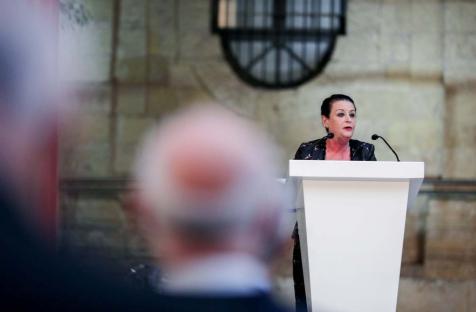
Myriam Spiteri Debono, a notary and former parliamentary speaker, is set to become the 11th President of Malta on 4 April.
Despite their increasing visibility, women in government must still contend with gendered biases about the ways in which they choose to present themselves.
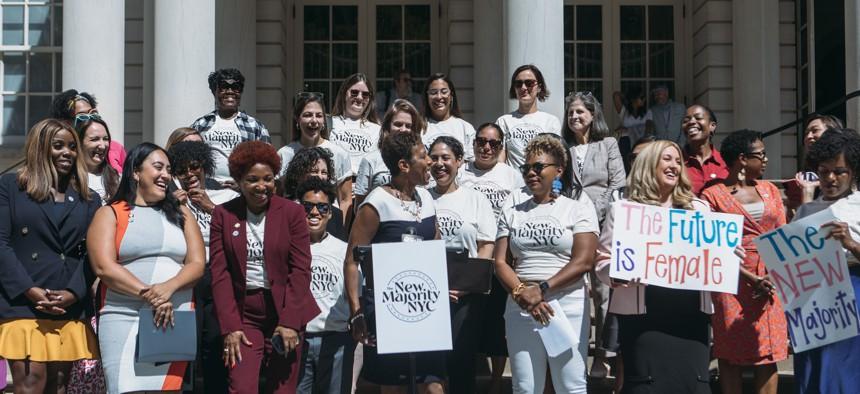
Despite their increasing visibility, women in government must still contend with gendered biases about the ways in which they choose to present themselves.
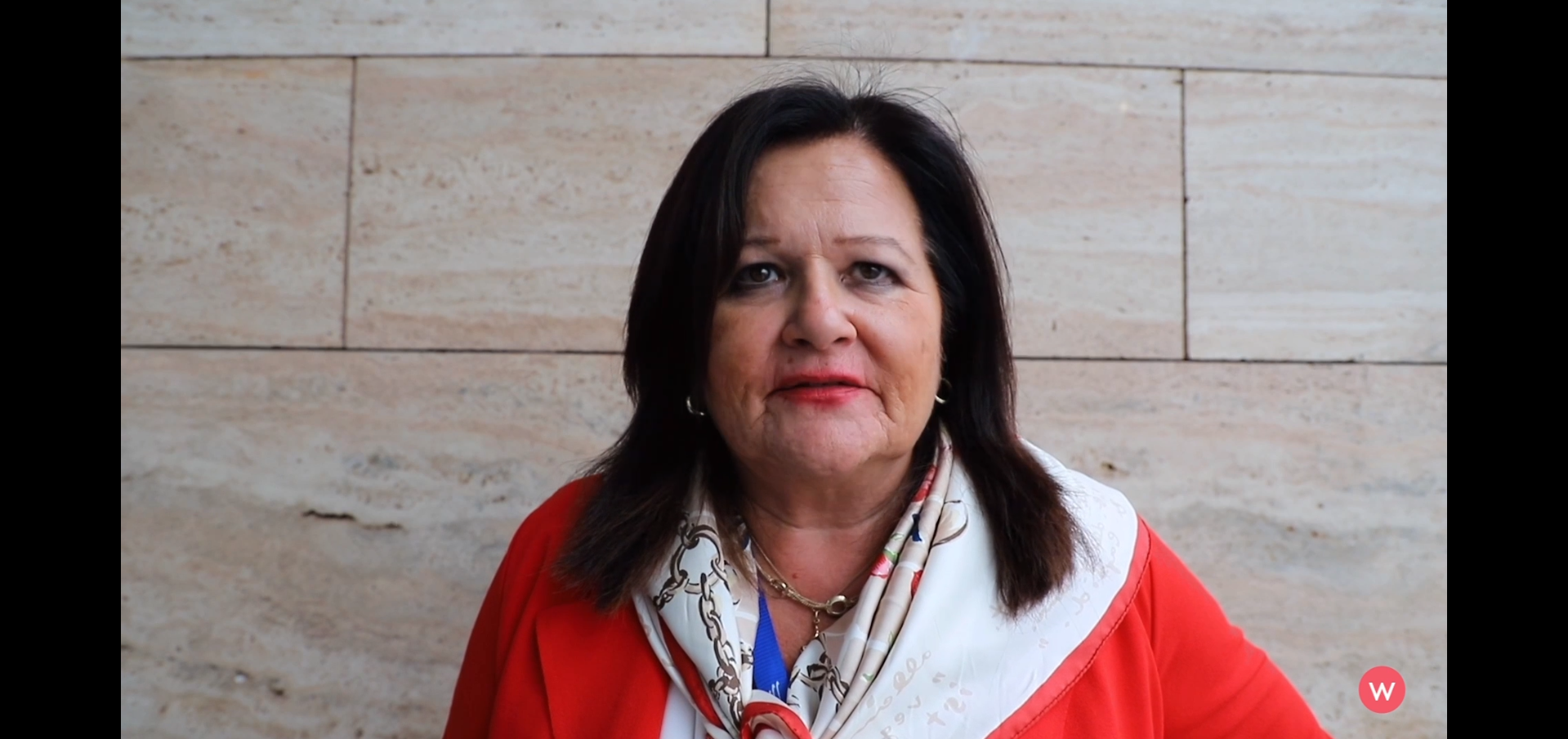
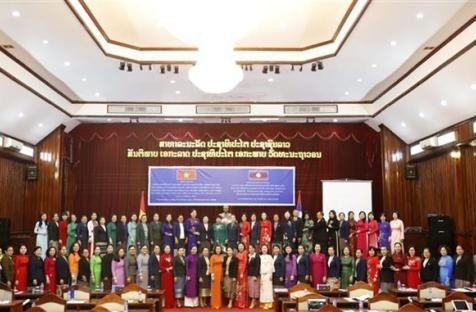
Vientiane (VNA) – Vietnamese and Lao female lawmakers on April 25 shared their experience in politics at a workshop in the n
As part of the IPU series 'A conversation with...', we interview parliamentarians from all over the world to find out who they represent and what motivates them.
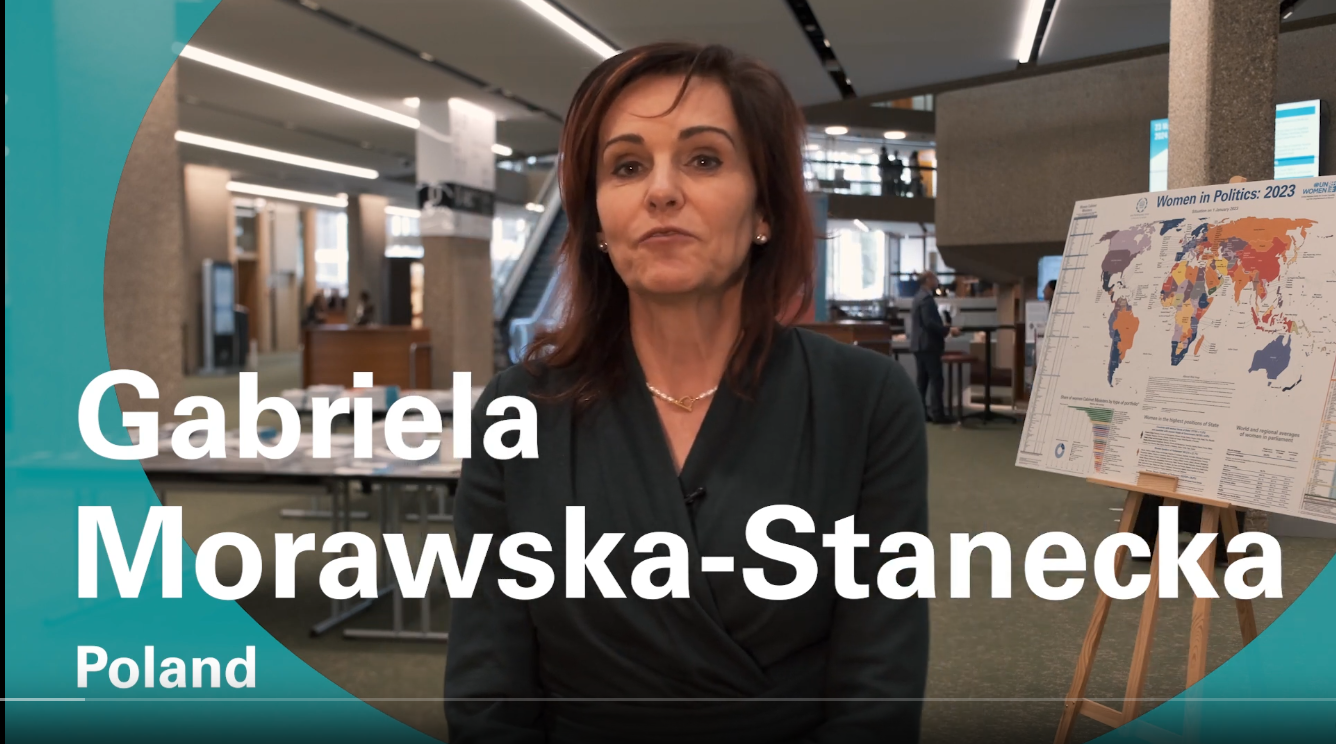
As part of the IPU series 'A conversation with...', we interview parliamentarians from all over the world to find out who they represent and what motivates them.

As Togo prepares for the legislative and regional elections on April 29, 2024, a significant number of women are in the electoral race, defying traditional norms and expectations.