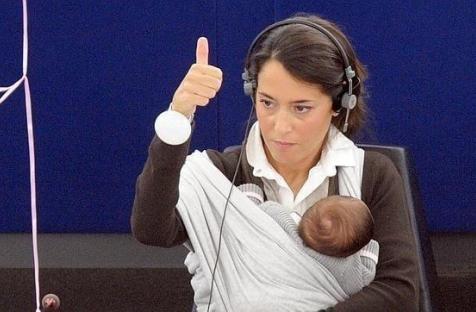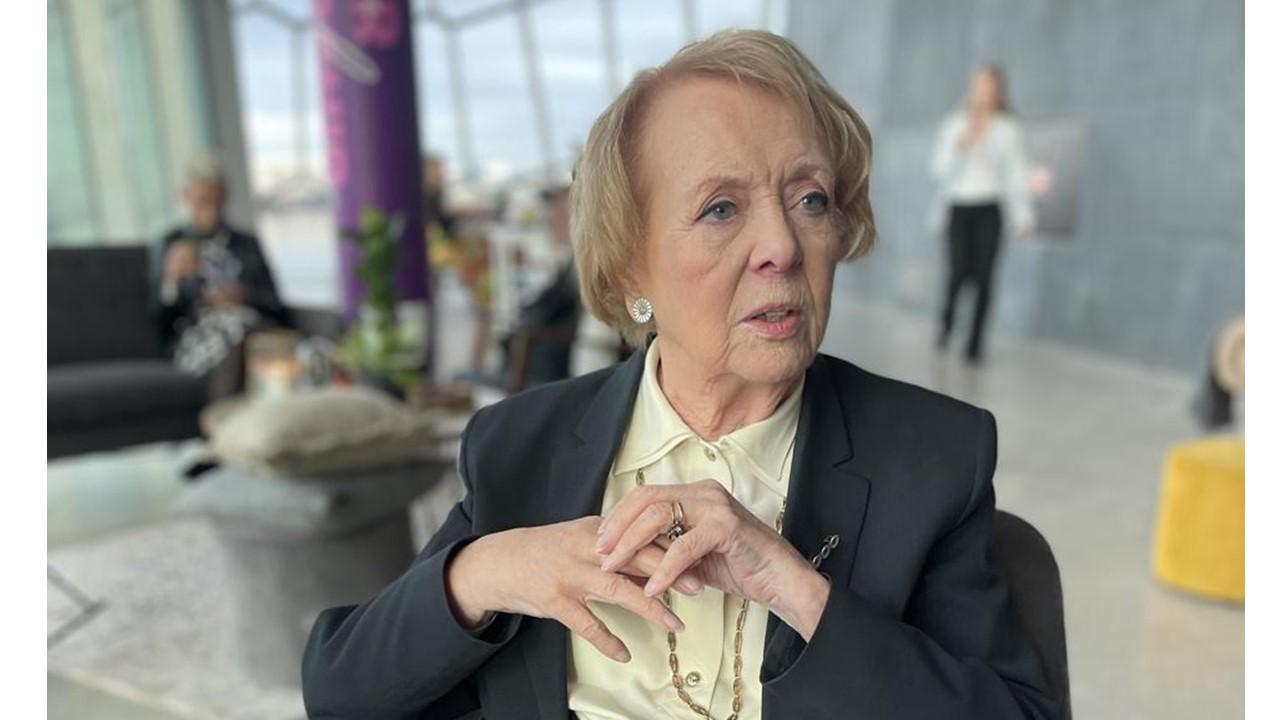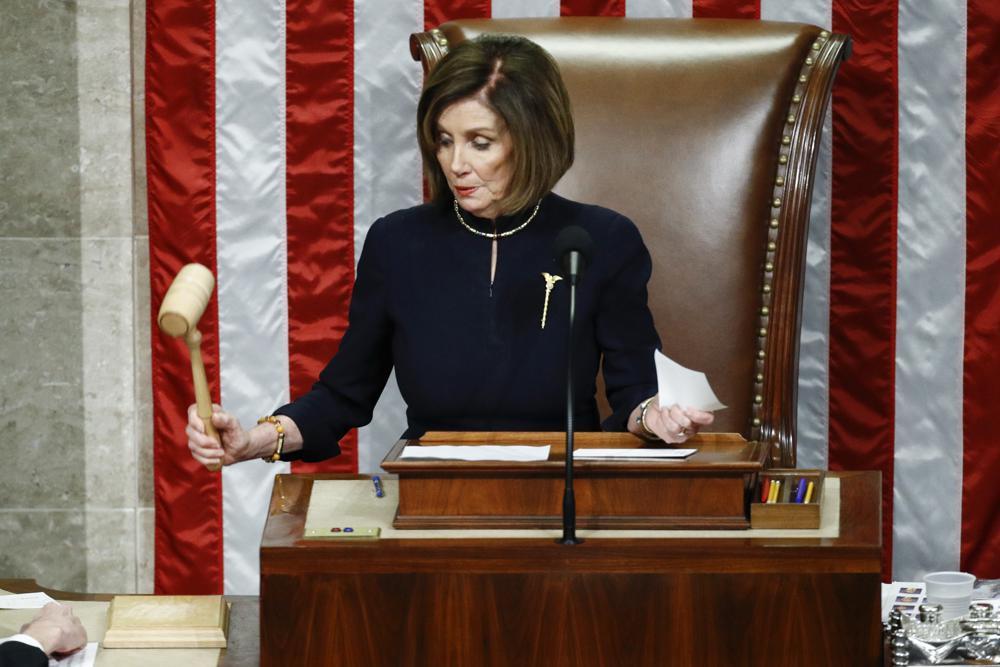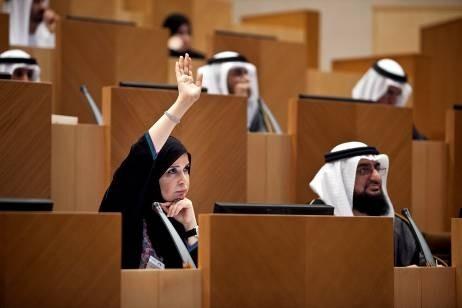
Prime Minister Jacinda Ardern says New Zealand has an “even stronger” footing to speak on gender equality as lawmakers past and present celebrated Parliament becoming one of few in the world to be the majority women.
Democracy and the equal participation of men and women in the political arena are closely intertwined. No parliament or any decision-making body can claim to be representative without the participation of both men and women. As stated in the Universal Declaration on Democracy adopted by the Inter-Parliamentary Union’s Member Parliaments in 1997, "The achievement of democracy presupposes a genuine partnership between men and women in the conduct of the affairs of society in which they work in equality and complementarity, drawing mutual enrichment from their differences."
Recent years have seen a steady increase in the number of women in parliament, though the world average of less than 22 percent remains far from the goal of parity between women and men. The election of women to the highest positions of state and government in several countries has also contributed to the changing face of politics.
While the road to election is a difficult one, the challenges for women do not stop there. Once women enter parliament or other bodies, they are faced with many new challenges. Parliament is traditionally a male-oriented domain where the rules and practices have been written by men. It is, therefore, an ongoing challenge to transform parliament into a gender-sensitive environment, to ensure that actions are gender-sensitive and to guarantee that gender is mainstreamed throughout the legislature.
Prime Minister Jacinda Ardern says New Zealand has an “even stronger” footing to speak on gender equality as lawmakers past and present celebrated Parliament becoming one of few in the world to be the majority women.
In December 2020, Sustineo was engaged UN Women under the Women in Leadership in Samoa (WILS) Project to lead the design and implementation of Research on Leadership Pathways of Women in Samoa.
This chapter surveys the literature on gender and politics in Portugal, focusing on explanations for gender differences in political participation and representation.
There are over 50,000 mukhtars in the country. Despite a slight increase in the share of women mukhtars over the past few years, women’s groups call for more representation at the local level.
This action kit is a practical tool for unpacking gender responsive budgeting (GRB) and engaging parliaments and parliamentarians in strengthening scrutiny and oversight of gender responsive budget formulation, execution, and evaluation.
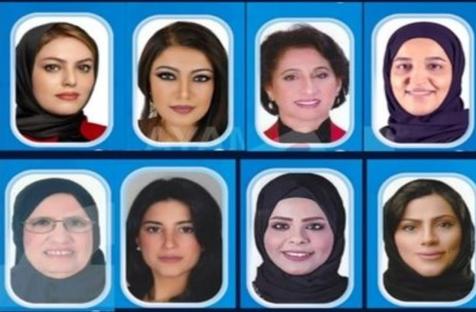
Women’s groups express concern as just 23% of those named to new PM’s cabinet are female.
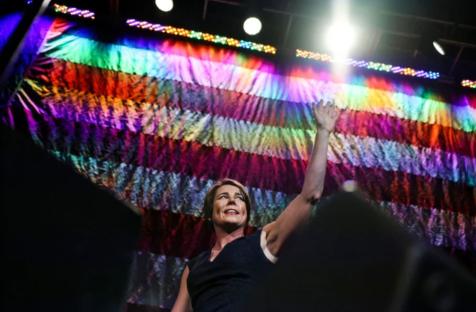
As the results from the midterm elections started pouring in Tuesday night, a number of candidates made history. So far, there have been barriers broken by women including women of color, young people, and members of the LGBTQ community.
Apolitical man is disgusting, but a political woman is appalling…In history there are no more cruel phenomena than political women,” wrote Richard Wagner to Franz Liszt, his fellow composer, about Ortrud, the sorceress in his opera “Lohen