The engagement of women in Iraq’s political process has been a major focus of NDI’s efforts in the country since 2006.
Post-conflict and Transitional Participation
According to the Ploughshares, in 2005, armed conflicts raged in 27 countries. In five of them, casualties exceeded 100,000 people, and the indirect costs in human capital, infrastructure and effect on future development are beyond estimation. The transition period begins when wars end through negotiated settlements or other means. With international and regional assistance, parties seek ways to deter the cycle of conflict by establishing a stable government to protect and provide for its citizens.
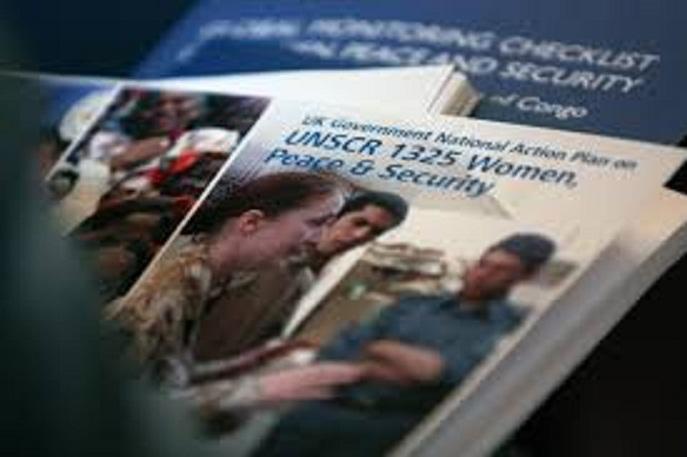
Formally and informally, women around the world are contributing to post-conflict reconstruction in the areas of security, justice and reconciliation, governance and socio-economic development. In 2000, the United Nations (UN) Security Council passed resolution 1325, a landmark decision mandating the participation of women in peace processes. Since the adoption of the resolution, awareness of the importance of including women in peace and reconstruction processes has grown enormously. Yet, implementation of the resolution’s mandate remains sporadic and ad hoc, and the gaps in practice are vast. Nonetheless, women’s participation in post-conflict reconstruction processes continues to increase.
In Sri Lanka, pressure by women’s organizations led to the establishment — within the structure of the formal negotiations — of a ten-member Subcommittee on Gender Issues in 2002. In Northern Ireland, women representatives were trusted as mediators during conflict negotiations, with such trust stemming from the women’s platform of respect for human rights, inclusion and equality. In Haiti, the women’s ministry and women’s organizations participated in a consultative process, resulting in the UN mission incorporating women’s priorities into its mandate and establishing the Disarmament, Demobilization and Reintegration Programme. In Rwanda, women formed the first cross-party parliamentary caucus composed of both Hutus and Tutsis, addressing issues of concern to women from all political parties. In Sierra Leone, a women’s task force was established to foster women’s participation in the design of the Truth and Reconciliation Commission and the special unit investigating war crimes. According to the World Bank, in Afghanistan, efforts by the international community and local women’s organizations have led to girls accounting for 40 percent of all children attending school in 2003, compared to only 9 percent before the war.
While significant and encouraging, such examples and best practices do not equate with the systematic inclusion of women in peace processes. It remains critical to amplify the role and contribution of women during political transitions to capitalize on this window of opportunity.
Arab Human Development Report 2009: Challenges to Human Security in the Arab Countries
Arab Human Development Reports (AHDRs) engage institutions and citizens in the Arab countries in global concerns so as to build understanding and consensus around regional and national development priorities.
The Impact of Religion on Women’s Leadership Roles in Politics and Public Life
This consolidated response highlights the impact of religious norms and religion on women’s political participation.
Event
Addressing Conflict-Related Sexual Violence in Peace Negotiations: Implementing Security Council Resolution 1820
In 2008, the UN Security Council recognized sexual violence as a tactic of warfare. Unaddressed in almost all peace negotiations, it represents one of history’s greatest silences.
Presentation: 1325/1820 National Action Plans
This presentation was made at the meeting on Increasing Momentum for UNSCR 1325 National Action Plans. It discusses the processes in developing United Nations Security Council Resolution 1325 National Action Plans (NAPS) and the challenges connected with the implementation of NAPs.
Meeting Report: Increasing Momentum for UNSCR 1325 National Action Plans
This is a summary report from the meeting aimed at discussing strategies for increasing the development and implementation of United Nations Security Council Resolution 1325 National Action Plans.
Islamist movement calls on gov’t to withdraw from CEDAW
The Islamist movement have called on the Jordanian government to withdraw from the Convention on the Elimination of all Forms of Discrimination Against Women (CEDAW) on grounds that the treaty will lead to a myriad of social problems in the country.
Arabic Publications Catalogue
This is the Fall- Winter 2008 Arabic Publications Catalogue from NDI. Publications cover the areas of Political Parties, Activism and Technology, Campaigning, Civic Action, Governance, Media and Communications, Women’s Participation and Elections.
Policy Recommendations on Decentralization, Local Power and Women’s Rights
The present document comprises a set of policy recommendations that define a global agenda on gender and decentralization. It emerged from the analysis and experiences shared during the Conference and the work of IDRC-supported researchers.
Pagination
- Previous page
- Page 46
- Next page