Media discrimination and gender differences in political ambition in a laboratory experiment

Very little research has considered how media discrimination could impact men and women’s political ambition.
The media are potentially powerful channels of information in a society. The messages they transmit can change or reinforce social mores and behaviours, and mobilize citizens to take progressive actions. While, ideally, the media should strive for accuracy and impartiality, in reality there are often imbalances in coverage, including in terms of women and their perspectives. Women politicians, for example, may be under-represented in news before and after elections.
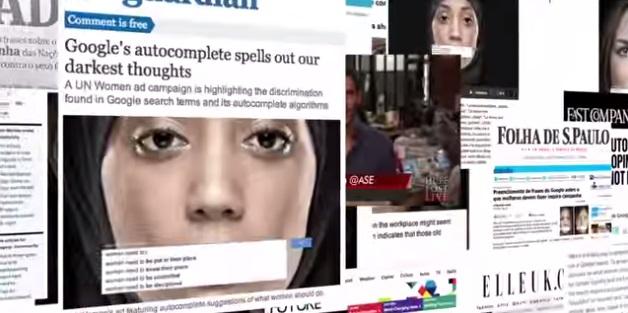
Very little research has considered how media discrimination could impact men and women’s political ambition.

By Amanda Brown Lierman

Researcher Tracy Lucht analyzes how five trailblazing women in politics of different races, ethnicities and regions were written about after the 19th Amendment was ratified.
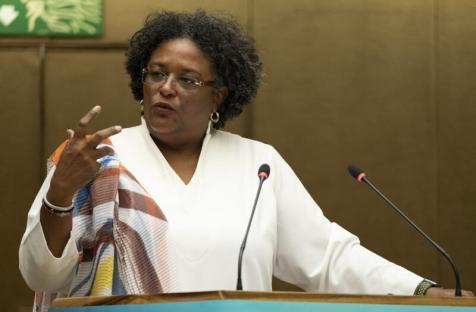
For the first time in the island’s history, women leaders will take Barbados’ two major political parties into the arena as the island prepares for a snap general election.

Just before Christmas, a government report highlighted that over half of the Irish population believes the most important role for a woman is to take care of her home and family. The most important role for a man, according to a significant proportion of the popu
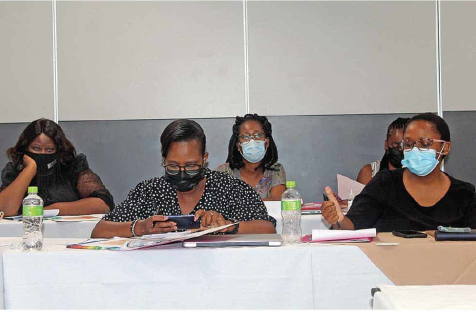
Democracy Works Foundation (DWF) in conjunction with Botswana Editors Forum Botswana recently held a two-day workshop to train journalists on how media can play a supportive role in advancing meaningful participation of women in politics.

Although the digital space continues to extend the promise of extraordinary opportunities for expanding the voice and agency of women, girls and ma

By Dr Naazir Mahmood
Advocates are worried that rising online misogyny will leave more women unwilling to run for office, a concern highlighted by a video posted by Rep. Paul Gosar (R-Ariz.) showing him killing Rep. Alexandria Ocasio-Cortez (D-N.Y.).