Oireachtas committee hears of abuse encountered by public figures online
The media are potentially powerful channels of information in a society. The messages they transmit can change or reinforce social mores and behaviours, and mobilize citizens to take progressive actions. While, ideally, the media should strive for accuracy and impartiality, in reality there are often imbalances in coverage, including in terms of women and their perspectives. Women politicians, for example, may be under-represented in news before and after elections.
Oireachtas committee hears of abuse encountered by public figures online
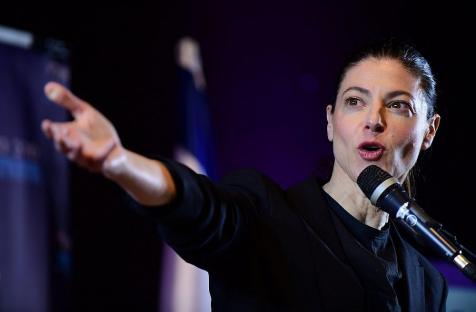
Women running for the Knesset have to overcome not only voters' gender stereotypes, but a media landscape that is heavily skewed in men's favor.
Experience during the pandemic confirms that the deployment by political actors of hate speech in the digital space exponentially promotes real-time political violence, particular
You might think that with more women entering politics the media would have become less likely to report on the appearance, fashion choices and relationship status of female prime ministers.
Every general election is haunted by the ghosts of campaigns past.
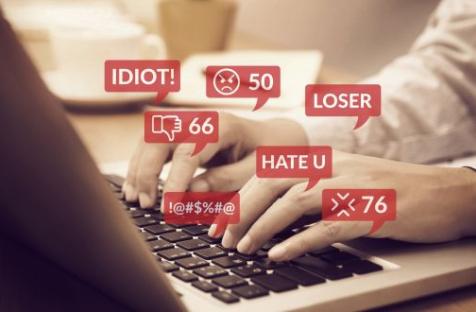
A seemingly inescapable feature of the digital age is that people choosing to devote their lives to politics must now be ready to face a barrage of insults and disparaging comments targeted at them through social media.
On Democratic presidential candidate Elizabeth Warren's Facebook page, you can find videos ranging from an announcement in Des Moines, Iowa, that her campaign has reached $2 million in donations to one with the Massachusetts senator looking into the
Erin Schrode, who was running for Congress in her Northern California district in 2016, reports that while she was running, she would wake up each morning